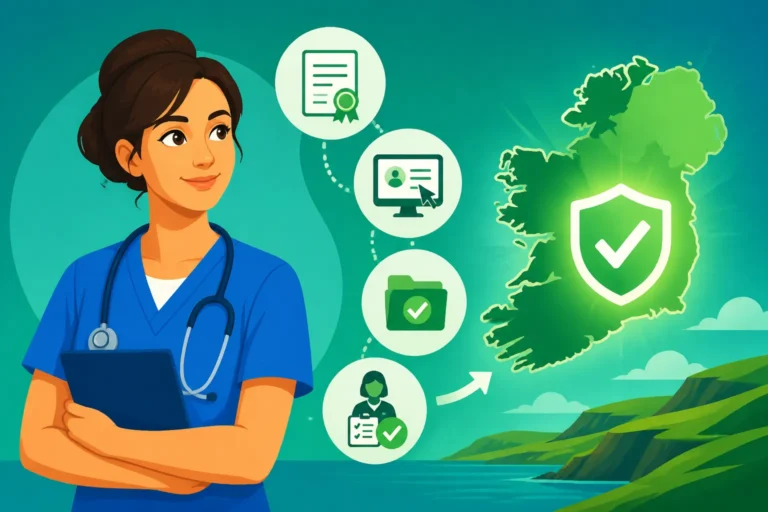
How Do I Apply for a Master’s Degree in Ireland?
Moving to Ireland to pursue a Master's degree can feel like an overwhelming labyrinth of forms, requirements, and deadlines. It's a fantastic goal, and Ireland offers some world-class education, but let's be honest, navigating the system as an expat can be a bit of a head-scratcher. Don't worry, you're not alone in feeling that way. This comprehensive guide is here to walk you through every step of applying for a Master's degree in Ireland, from initial research to securing your spot.
Navigating the Irish University Landscape: Your First Steps
Before you even think about hitting 'submit' on an application, it's crucial to understand the lay of the land. Ireland has a diverse and high-quality higher education sector, but it operates a little differently than some other countries you might be familiar with. Your first mission is to figure out what kind of Master's program truly fits your academic and career aspirations, and where in Ireland you might want to plant your roots for a year or two.
Types of Master's Degrees and Institutions
First things first, let's talk about the degrees themselves. In Ireland, Master's programmes generally fall into two main categories: taught and research. Taught Master's degrees, often an MA, MSc, or MBA, involve a structured curriculum with lectures, seminars, assignments, and usually a dissertation or major project. They typically last one year full-time. Research Master's degrees, like an MPhil or specific research-focused Masters, are far more independent, centered around a significant research project under the supervision of an academic. These can take one to two years. Your choice here depends heavily on whether you're looking for a structured learning environment or a deep dive into a specific academic area with a view towards a PhD.
Ireland boasts a range of excellent universities, Institutes of Technology (which often offer Master's degrees too), and private colleges. When you start your search, you'll inevitably come across household names like Trinity College Dublin, University College Dublin (UCD), National University of Ireland Galway (NUI Galway), University College Cork (UCC), and Dublin City University (DCU). Each has its own strengths, culture, and location, from the bustling capital to the scenic west coast. Take your time to explore their postgraduate offerings. Think about the specific modules, the faculty's research interests, and even the city or town itself. Is it a vibrant city you're after, or something a bit more serene? This initial groundwork will save you a lot of headaches later on. If you're looking for an even broader overview, check out The Complete Guide to Studying at an Irish University (2027).
Essential Entry Requirements and Eligibility
So, you've found a few programs that spark your interest. Now comes the nitty-gritty: what do you actually need to get in? Generally, for a Master's program, Irish universities will require you to hold an Honours Bachelor's degree (NFQ Level 8 or equivalent) with at least a Second Class Honours Grade 1 (2.1) or Second Class Honours Grade 2 (2.2), depending on the competitiveness of the course. If your degree is from outside Ireland, the university admissions office will assess its equivalence. This is often where things can get a bit murky, as grading systems vary wildly across the globe, so be prepared for a thorough evaluation of your previous academic transcripts.
For non-native English speakers, demonstrating English language proficiency is absolutely critical. This usually means providing results from an internationally recognised test such as IELTS, TOEFL, PTE Academic, or Duolingo English Test. Specific score requirements will differ by university and program, but you can generally expect a minimum IELTS score of 6.5 (with no band less than 6.0) or a TOEFL iBT score of 90-100. Always double-check the exact requirements for each program you apply to, as there can be variations. If you're feeling a bit rusty on your English, or just want to brush up on conversational skills to better integrate, platforms like iTalki can be incredibly helpful for practicing with native speakers. It's not just about the test scores; it's about being able to fully engage with your studies and daily life here.
The Application Process: Your Step-by-Step Guide
Once you've zeroed in on your dream programs and confirmed you meet the basic eligibility criteria, it's time to roll up your sleeves and dive into the actual application. This part can feel like a marathon, but breaking it down into manageable steps will make it much less daunting. Remember, attention to detail is your best friend here.
Preparing Your Application Documents
This is arguably the most critical phase. Irish universities typically require a specific set of documents, and any missing or incorrectly formatted items can cause significant delays or even rejection. Here's a breakdown of what you'll usually need:
- Academic Transcripts: Official transcripts from all previous higher education institutions, detailing subjects taken and grades achieved. These often need to be translated into English and officially certified if they're not already in English.
- Degree Certificates: Copies of your Bachelor's degree certificate (and any other relevant qualifications). Again, translations and certifications might be necessary.
- Curriculum Vitae (CV) or Resume: This should highlight your academic history, any relevant work experience (paid or voluntary), research projects, publications, and skills. Tailor it to the program you're applying for, emphasizing experiences that make you a strong candidate for a Master's.
- Personal Statement or Statement of Purpose: This is your chance to shine! It’s not just a rehash of your CV. This essay (usually 500-1000 words) should explain why you want to pursue this specific Master's degree, why at this particular university, what you hope to achieve academically and professionally, and how your past experiences have prepared you for it. Be authentic, passionate, and demonstrate a clear understanding of the program.
- Letters of Recommendation (Academic References): Most programs will ask for two academic references, ideally from professors who know your academic work well. Choose referees who can speak to your strengths, intellectual curiosity, and suitability for postgraduate study. Ensure they submit these directly to the university or through the application portal as instructed.
- English Language Proficiency Certificate: As mentioned, your IELTS, TOEFL, or equivalent score report.
- Copy of Passport/ID: For identity verification.
- Proof of Funds (for non-EU/EEA applicants): While not always required at the application stage, you will absolutely need to demonstrate sufficient funds for your visa application. It's good to be aware of this early on.
It’s often a good idea to create a checklist for each university and program you apply to, as requirements can differ slightly. For more detailed guidance, especially on the specifics of How to Apply for a Postgraduate Course at an Irish University, you might find further clarity.
Submitting Your Application
Most Irish universities use an online application portal, sometimes through a central system like the Postgraduate Applications Centre (PAC) for certain programs, or directly through their own university websites.
Here’s a general sequence of events:
- Create an Account: You'll typically start by creating an account on the university's or PAC's application portal.
- Fill Out Forms: Methodically fill in all required personal, academic, and professional details. This is where those prepared documents come in handy.
- Upload Documents: Carefully upload all your supporting documents. Pay close attention to file types, sizes, and naming conventions specified by the university.
- Pay Application Fee: Most universities charge a non-refundable application fee (usually €50-€100).
- Submit: Once everything is complete and you’ve double-checked every single field and uploaded document, hit that submit button!
Deadlines are paramount! Unlike some countries where there might be rolling admissions, many Irish Master's programs, especially the competitive ones, have strict application deadlines. These can be as early as December or January for programs starting the following September, particularly for non-EU applicants. Always check the specific program's website for exact dates. Missing a deadline, even by an hour, could mean waiting another year.
It's not uncommon for universities to have multiple application rounds or to keep applications open longer for less competitive courses, but for your best chance, apply early. If you're a non-EU/EEA applicant, remember that you'll need time for your visa application process too, which only starts after you receive an offer.
| Document Type | Purpose | Key Considerations |
|---|---|---|
| Academic Transcripts | Proof of prior academic performance | Official, translated (if not English), certified copies. |
| Degree Certificates | Proof of conferred degrees | Official, translated (if not English), certified copies. |
| CV/Resume | Overview of academic/professional background | Tailor to program; highlight relevant skills & experience. |
| Personal Statement | Explains motivation, goals, suitability for program | Compelling, well-structured, demonstrates research into the program and university. |
| Letters of Recommendation | Independent assessment of your abilities | From academic referees; highlight academic potential and work ethic. Submitted confidentially. |
| English Language Certificate | Proof of English proficiency | Meet minimum scores; ensure validity period is current. |
| Copy of Passport | Identity verification | Clear, legible copy. |
Funding Your Master's and Post-Study Prospects
Let's talk about the elephant in the room: money. Pursuing a Master's degree, especially as an international student, is a significant financial investment. Beyond tuition fees, you'll need to account for living costs, which can be substantial in Ireland's major cities. Planning this out early is crucial.
Understanding Tuition Fees and Living Costs
Tuition fees for Master's programs in Ireland vary widely depending on the university, the program, and your nationality. For EU/EEA students, fees are significantly lower, often in the range of €4,000 to €8,000 per year. For non-EU/EEA international students, these figures jump considerably, typically ranging from €9,000 to €25,000 or more per year for taught Master's programs. Some specialised programs, like MBAs, can be even higher. Always check the specific program page for the most accurate and up-to-date fee information.
Beyond tuition, living costs are a major factor. Dublin, in particular, is one of the more expensive cities in Europe. You'll need to budget for accommodation (which can be notoriously high), food, transport, books, health insurance, and personal expenses. The Department of Justice advises that non-EU/EEA students should have access to at least €10,000 per year for living expenses. In reality, in cities like Dublin or Cork, you might find yourself needing closer to €12,000 – €15,000 to live comfortably, depending on your lifestyle and accommodation choices.
Scholarships and Financial Aid for International Students
Don't let the high costs deter you entirely; Ireland offers a range of scholarships and funding opportunities for postgraduate students. These can come from several sources:
- University-Specific Scholarships: Many universities offer their own merit-based scholarships or bursaries for international students. These can be highly competitive, so apply early and ensure your application stands out. Keep an eye on the "fees and funding" section of your chosen university's postgraduate website.
- Government of Ireland International Education Scholarships: This is a prestigious national scholarship program managed by the Higher Education Authority (HEA), offering full tuition fee waivers and a stipend for living expenses for one academic year. Competition is fierce, but it's well worth applying if you meet the criteria.
- External Organisations and Trusts: Depending on your country of origin or field of study, there might be external grants, trusts, or foundations that offer funding for studies abroad. Research these thoroughly.
- Employer Sponsorship: If you're currently working, explore if your employer has any policies for sponsoring employees for further education, especially if the Master's is relevant to your career progression.
It's imperative to research How to Apply for a Scholarship at an Irish University as early as possible, as deadlines for scholarships often precede the main application deadlines for the courses themselves.
Working While Studying and Post-Study Opportunities
For many international students, the ability to work part-time can significantly ease the financial burden. Non-EU/EEA students on a Stamp 2 immigration permission (student visa) are generally permitted to work up to 20 hours per week during term time and up to 40 hours per week during designated holiday periods (June-September and Christmas). This can be a great way to earn some extra cash and gain valuable experience in Ireland. For full details, you should definitely check out Can International Students Work Part-Time in Ireland?. Be mindful of the limits on How Many Hours Can a Student Work in Ireland per Week? to ensure you stay compliant with your visa conditions.
Once you graduate with your Master's, Ireland offers fantastic post-study work opportunities, especially through the Third Level Graduate Scheme. This allows non-EU/EEA graduates of eligible Irish Master's programs to remain in Ireland for up to 24 months (on Stamp 1G permission) to seek employment and apply for an employment permit. This is a huge benefit for those hoping to gain international work experience or even build a long-term career in Ireland. Understanding the intricacies of How Do I Get a Visa to Work in Ireland? will be crucial if you plan to stay on after graduation. When you do eventually get a job, remember that understanding The Complete Guide to Taxes in Ireland for Expats (2027) will be vital, and services like Taxes for Expats can be incredibly helpful for navigating international tax situations.
Preparing for Your Academic and Cultural Journey
Getting accepted is just the first hurdle. The next, and equally exciting, challenge is preparing for life as a postgraduate student in Ireland. This involves everything from sorting out your visa to getting ready for a new academic environment and embracing a new culture.
Visa and Immigration for Non-EU/EEA Students
If you're coming from outside the EU/EEA, securing your student visa (Long Stay 'D' visa) is a critical step that can only happen after you've received an unconditional offer from an Irish university and paid your tuition deposit. The application process typically involves:
- Online Application: Completing the visa application form on the Irish Immigration Service Delivery (ISD) website.
- Supporting Documents: Gathering a comprehensive set of documents including your offer letter, proof of tuition fee payment, evidence of sufficient funds (the €10,000 per year for living costs), proof of private medical insurance, academic transcripts, and your personal statement.
- Appointment/Submission: Attending an appointment at your local Irish embassy or consulate or submitting your documents by post, depending on your location.
The visa processing times can vary significantly, so it’s essential to apply as early as possible once you have all your documents ready. Once your visa is granted and you arrive in Ireland, you'll need to register with the local Garda National Immigration Bureau (GNIB) to get your Irish Residence Permit (IRP) card. This is what officially grants you your immigration permission, typically Stamp 2 for students. It's a key document and Understanding the Irish Immigration Stamp System (Stamp 1, 2, 4) will give you a full overview of what each stamp means.
Accommodation, Orientation, and Integration
Finding suitable accommodation is often the biggest stressor for new arrivals. Irish cities, especially Dublin, face a significant housing shortage, and securing a place can be challenging. Many universities offer on-campus accommodation, but this is often limited and expensive. You might need to look at private rental options (e.g., student apartments, shared houses) or consider purpose-built student accommodation. Start your search early, ideally before you even arrive in Ireland.
Once you're here, take full advantage of university orientation programs. These are invaluable for learning about academic services, support systems, campus facilities, and getting to know fellow students. They often include vital information about registering with a GP, opening a bank account, and getting your PPS number – all essential for settling in.
Integrating into Irish life goes beyond academics. Embrace the local culture, join student societies, sports clubs, or volunteer. The Irish are generally very friendly and welcoming, but don't be afraid to strike up conversations or ask for help. While your academic journey will be demanding, remember to also explore the beautiful country around you. If you ever feel overwhelmed, remember there are resources like How to Access Mental Health Services in Ireland as an Expat that can provide support.
Academic Expectations and Language Nuances
Irish universities uphold high academic standards. As a Master's student, you'll be expected to engage critically with course material, participate actively in discussions, and manage your time effectively for independent study and research. Plagiarism is taken very seriously, so make sure you understand academic integrity policies.
While English is the primary language of instruction, you'll quickly discover the unique cadence and phrases of Irish English, sometimes even some Gaeilge (Irish language) thrown in! This can take a little getting used to, but it's all part of the experience. Don't be shy about asking for clarification if you don't understand something. Platforms like iTalki, which I mentioned earlier, aren't just for test prep; they can be excellent for getting accustomed to different accents and colloquialisms you might encounter.
Your Master's degree in Ireland will be a transformative experience, not just academically but personally. It’s a chance to immerse yourself in a rich culture, expand your global network, and set yourself up for exciting career opportunities, potentially even within Ireland by leveraging the post-study work schemes. Prepare diligently, embrace the journey, and you'll find it incredibly rewarding.
Disclaimer
The information provided in this guide is intended for general informational purposes only and does not constitute legal, financial, or immigration advice. While we strive to provide accurate and up-to-date information, rules and regulations in Ireland, particularly concerning immigration, university admissions, and fees, can change rapidly. It is always recommended to consult official government websites (such as the Irish Immigration Service Delivery, Revenue, and the Department of Further and Higher Education, Research, Innovation and Science) and the specific university you are applying to for the most current and accurate information. For personal circumstances, seeking advice from qualified professionals (e.g., an immigration solicitor, financial advisor, or tax consultant) is strongly advised.