How Do I Access Emergency Dental Care in Ireland?
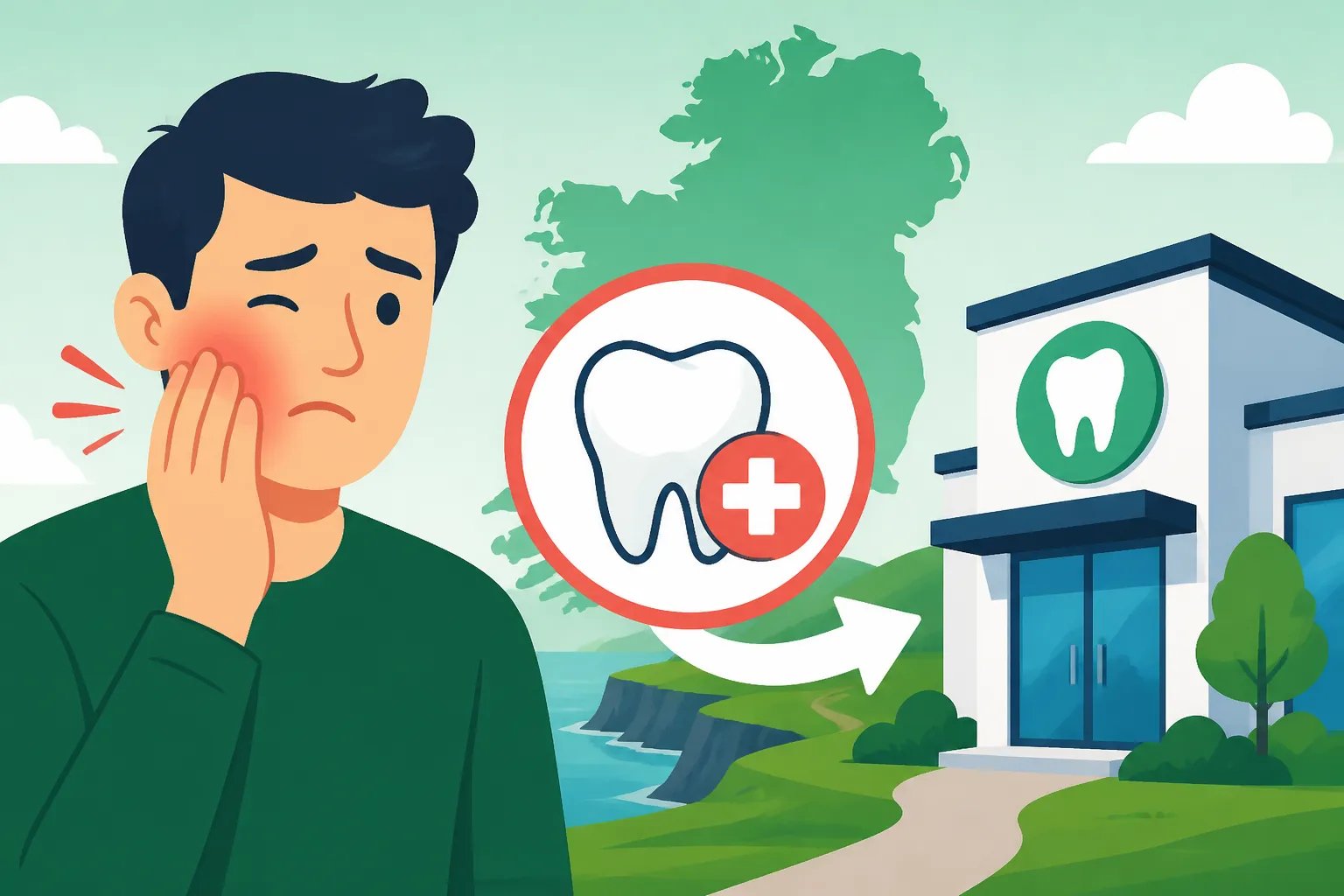
Finding yourself in the grips of a searing toothache or a sudden dental trauma when you're far from home in Ireland can be incredibly unsettling. It’s that unique blend of physical pain and administrative panic that hits you – who do you call? Where do you go? This guide is here to walk you through exactly how to access emergency dental care in Ireland, providing clear steps and realistic expectations so you’re not left guessing when every minute of pain feels like an hour.
Understanding What Constitutes a Dental Emergency in Ireland
Let's be real, almost any dental pain feels like an emergency when it’s your pain. But in Ireland, like many places, the system distinguishes between something that needs immediate intervention to save a tooth or prevent serious health complications, and something that can wait for a regular appointment. Understanding this distinction is crucial to getting the right care efficiently.
Distinguishing Urgent from Non-Urgent Dental Issues
It’s tempting to classify any discomfort as a full-blown crisis, but the Irish dental system is set up to prioritise genuine emergencies. A non-urgent issue might be a chipped tooth that isn't causing severe pain, a lost filling or crown where the tooth isn't sensitive, or mild, intermittent sensitivity. While these absolutely need attention, they generally don't require dropping everything and rushing to a clinic on a Saturday night. You might be able to manage these with over-the-counter pain relief and by scheduling an appointment within a few days. Don't get me wrong, it's still frustrating and uncomfortable, but it's not going to land you in a queue for hours.
On the other hand, urgent issues demand quick action. Think about the agony of a throbbing toothache that keeps you up all night, unresponsive to painkillers. That's a sign of a deeper problem, likely an infection that needs immediate attention. If you've got swelling in your face or jaw that's getting worse, particularly if it's affecting your breathing or swallowing, that's a red flag. These kinds of symptoms indicate a rapidly progressing infection that could have serious consequences if left untreated. It's not just about saving your tooth at this point; it's about safeguarding your general health.
When to Seek Immediate Dental Attention
There are certain scenarios where you simply cannot wait. If you’ve knocked out a tooth, for instance, time is of the essence. The sooner a knocked-out tooth is replanted, the higher the chance of it surviving. If you experience uncontrollable bleeding after an extraction or trauma, this isn't just a minor inconvenience; it could be a sign of a more serious issue that requires professional intervention to stem the flow. Another critical scenario is severe facial swelling, especially if it’s spreading to your eye or neck. This indicates a potentially life-threatening infection, known as cellulitis, which can quickly compromise your airway. In these cases, you need to act fast.
Fractured jaws or other severe trauma to the mouth or face also fall squarely into the "seek immediate attention" category. These injuries can be incredibly painful, might involve significant bleeding, and could impact your ability to eat or speak. They often require more than just dental care, potentially involving hospital services. The key takeaway here is to trust your gut feeling. If the pain is excruciating, if there's significant trauma, or if your general health feels compromised, don't delay – get help.
Your First Steps for Emergency Dental Care
Navigating a dental emergency in a new country can feel like solving a riddle in a foreign language. But don't despair! There are clear pathways in Ireland, even if they might not be what you’re used to.
Contacting Your Registered GP or Dentist If You Have One
If you’ve been in Ireland for a while and have managed to How to Register with a GP (Family Doctor) in Ireland and a local dentist, they should always be your very first port of call. Even if your GP can't directly treat your dental issue, they can offer advice, prescribe antibiotics if they suspect an infection, and crucially, they can often direct you to an emergency dental service they work with or recommend. Many GP practices will have an out-of-hours service or a voicemail directing you to urgent care.
Your own dentist will usually have an emergency contact number or instructions for what to do outside of regular hours on their answering machine or website. They know your dental history, which is invaluable. Often, they reserve emergency slots in their daily schedule, so calling them first, even if it’s outside normal hours, might get you the quickest resolution. Don't assume they're closed to you just because it's after 5 PM; many practices understand the urgent nature of dental pain. Remember, a quick phone call to the people who already know you can save you a lot of time and anguish.
Finding an Emergency Dentist or Dental Clinic
If you're new to Ireland or don't have a regular dentist, the internet is your best friend. A quick search for "emergency dentist [your city/town in Ireland]" will bring up a list of clinics. Many larger cities like Dublin, Cork, and Galway have dedicated emergency dental services or clinics that explicitly advertise emergency appointments. For example, chains like Dental Care Ireland have multiple locations, and some, such as Dental Care Ireland in Swords or many independent clinics, offer emergency slots. Similarly, places like Smile Hub Dental Clinic in Dublin often cater to urgent cases.
When you call, be very clear about the nature of your emergency. Describe your symptoms accurately. Clinics will want to know if it's severe pain, swelling, trauma, etc., to assess urgency. Be prepared to travel a bit, especially if you're in a more rural area, as emergency services might be centralised. It's always a good idea to call ahead, even if they advertise walk-ins, just to confirm they have availability and can handle your specific issue. Some clinics might be fully booked or may not handle certain types of complex trauma.
The Role of Hospital A&E Departments for Dental Issues
Now, this is a big one, and it's where many expats get tripped up, often after a painful and frustrating visit. In Ireland, the Accident & Emergency (A&E) department of a hospital is generally not where you go for a simple toothache or a lost filling. Seriously, don't do it unless it's truly life-threatening. You'll likely be sent away without treatment for dental pain, after waiting for many hours, and still be charged the A&E fee if you don't have a Medical Card. I've seen countless people make this mistake, thinking it's like their home country, only to leave more frustrated than when they arrived.
A&E departments are for medical emergencies that affect your general health and well-being. This includes severe facial swelling that impacts your breathing or swallowing, extensive facial trauma (like a broken jaw or major lacerations from an accident), or uncontrollable bleeding that can't be stopped otherwise. If you've been in a car accident and your jaw is clearly fractured, or you have an infection that has spread rapidly to your neck and you're struggling to breathe, then yes, head to A&E. For anything less severe, however, such as a painful abscess that isn't causing widespread swelling or a broken tooth, you need to find a dental clinic. For a full understanding of when to use this critical service, read our guide on Emergency Medical Care in Ireland: What Every Expat Needs to Know.
Costs, Payment, and Insurance for Emergency Dental Treatment
Money worries on top of dental pain? I know the feeling. The financial aspect of healthcare in Ireland, especially dental care, can be a bit of a labyrinth, particularly for expats. Let's try to demystify it.
Understanding Typical Emergency Dental Costs
Dental care in Ireland is largely private, meaning you'll almost always pay out-of-pocket for emergency treatment. There are some public dental services, mainly for children, those with special needs, or certain adults with a Medical Card, but these are limited and rarely cover emergency care for the general adult population without a Medical Card.
A typical emergency consultation fee can range from €50 to €100, just to get seen and assessed. This doesn't include any treatment. If you need an X-ray, add another €30-€50. Treatments vary wildly. A simple emergency extraction might cost €100-€200. A temporary filling or repair could be €80-€150. More complex procedures like root canal treatment will be significantly more expensive, often starting from €400 and easily running to €800-€1,000 or more, depending on the tooth and complexity.
Many clinics will require payment upfront for emergency treatment, so be prepared with your credit/debit card. Always ask for a clear breakdown of costs before any work is done, if possible, to avoid nasty surprises. This transparency is crucial when you're already stressed. To get a broader picture of potential expenses, you might find our guide on The Cost of Healthcare in Ireland: A Complete Breakdown for Foreigners (2026) helpful.
Navigating Public vs. Private Dental Options
As mentioned, public dental services for adults are severely restricted. The main avenue for adults to access any subsidised dental care is through the PRSI (Pay Related Social Insurance) scheme. If you're employed and have paid enough PRSI contributions, you might be entitled to a free annual dental exam and a subsidised scale and polish with a participating dentist. For more on this, check out our article on Understanding Dental Care, the PRSI Scheme and Costs in Ireland. However, emergency treatments like extractions or fillings are generally not covered by this scheme. It’s almost always a private expense.
This means that for the vast majority of expats and tourists facing a dental emergency, you'll be dealing with private dental practices. While this means higher costs, it also generally means quicker access to appointments and a wider range of services. Don't expect your GP to magically refer you to a free emergency dentist unless you qualify for very specific, often age-related or condition-related public schemes, which are rare for general dental emergencies in adults.
How Your Health Insurance Might Help
This is where it gets a little tricky. Most standard private health insurance plans in Ireland, such as those from VHI, Laya, or Irish Life Health, offer very limited dental coverage. Some plans might include a small contribution towards routine dental check-ups, cleanings, or even certain minor procedures, but comprehensive coverage for major emergency dental work is rare. You might find plans that offer a "dental benefit" which is usually a fixed amount, say €100-€200, towards dental costs annually, but this won't cover the full expense of a complex emergency. It's crucial to check the specifics of your policy or contact your insurer directly. Our comprehensive guide on Health Insurance in Ireland: VHI, Laya, Irish Life and Options Explained offers a good overview of what's generally available.
For those on a working holiday, digital nomads, or new arrivals who haven't yet secured comprehensive Irish private health insurance, travel insurance or expat-specific plans might offer better protection for unexpected dental emergencies. Companies like SafetyWing, for instance, are designed for the nomadic lifestyle and often include provisions for sudden dental pain relief or emergency treatment to save a tooth, up to a certain limit. This isn't for routine check-ups, mind you, but for genuine, acute emergencies that crop up unexpectedly. Always read the fine print to understand what's covered, especially regarding waiting periods and pre-existing conditions. If you're looking to How to Buy Private Health Insurance as a Newcomer in Ireland, be sure to scrutinise the dental sections closely.
Here's a quick comparison of common dental options for emergency care:
| Option | Typical Access | Cost for Emergency | Coverage by Insurance (Irish Private) | Notes |
|---|---|---|---|---|
| Private Dental Clinic | Often same-day appointments available for emergencies | High (Out-of-pocket) | Limited or partial contribution | Most common route for immediate treatment. Best chance for saving a tooth. |
| GP (for advice/referral) | Same-day/next-day | Varies (GP fee) | Generally covered | Can prescribe antibiotics, offer initial advice, but won't perform dental work. |
| Hospital A&E | Long waits, treated based on severity | High (A&E fee if no Medical Card) | Generally covered for medical aspect | ONLY for life-threatening issues (severe trauma, infection impacting breathing). Will NOT treat a toothache. |
| PRSI Scheme | Normal dental appointment, check if dentist participates | Free exam, subsidised clean | N/A | Does NOT cover emergency extractions or fillings for adults. Limited to check-ups/cleanings. |
| Travel/Expat Insurance | Direct to clinic, then claim | Out-of-pocket, then reimbursement | Specific to policy (e.g., SafetyWing) | Designed for sudden and unexpected emergencies, often with limits. Read policy carefully. |
Practical Advice and What to Expect
Facing a dental emergency is stressful enough without added uncertainty. Knowing what to prepare and what the process might look like can significantly ease your anxiety.
Preparing for Your Emergency Appointment
When you’ve secured an emergency dental appointment, there are a few things you should have ready to make the process as smooth as possible. Firstly, bring any form of identification, especially your PPSN (Personal Public Service Number) if you have one, as it might be relevant for PRSI checks or if the clinic needs to send a prescription. Have a list of any medications you are currently taking, including dosages, and any known allergies. This information is crucial for the dentist to make safe and effective treatment decisions.
You should also be prepared to provide a brief but clear medical history. Don't gloss over anything, even if it seems unrelated to your teeth. Your overall health can impact dental procedures. Of course, have your payment method ready, as private clinics usually require payment on the day of service. If you have any private health insurance details, have those handy too, though as discussed, dental coverage can be quite limited. Lastly, try to remain calm. I know, easier said than done when your jaw is throbbing, but clear communication helps the dental team help you faster.
Aftercare and Follow-Up
An emergency appointment often focuses on alleviating pain and addressing the immediate problem, which might mean a temporary solution rather than a permanent fix. For example, if you have an infection, the dentist might drain an abscess, prescribe antibiotics (you can get these at any Prescription Medications and Pharmacies in Ireland: The Complete Guide), and schedule a follow-up for a more definitive treatment like a root canal or a permanent filling. Make sure you understand the aftercare instructions thoroughly. This includes how to manage any residual pain, what to eat, and how to keep the area clean. Don't be shy about asking questions if anything is unclear – your dentist or dental nurse will be happy to explain.
It's absolutely vital to attend any follow-up appointments. Skipping these can lead to the original problem returning, potentially worse than before, or developing new complications. Think of the emergency treatment as putting out a fire, and the follow-up as rebuilding the house. Both steps are essential.
Tips for Managing Pain While Waiting
Let's face it, waiting for an emergency appointment can be agony. While you're waiting, there are a few things you can do to manage the pain. Over-the-counter pain relievers like paracetamol (acetaminophen) or ibuprofen can help. Always follow the dosage instructions carefully. Combining paracetamol and ibuprofen can sometimes be more effective, but check with a pharmacist or doctor first, especially if you have other health conditions or are on other medications.
Applying a cold compress to the outside of your cheek near the affected area can help reduce swelling and numb the pain. Just be sure to wrap it in a cloth and apply it for 15-20 minutes at a time, with breaks. Avoid very hot or very cold foods and drinks, as extreme temperatures can exacerbate tooth sensitivity. If your pain is due to a lost filling or exposed nerve, you can sometimes find temporary dental filling material at a pharmacy (though this is a very short-term, DIY fix). And if you suspect an infection, try rinsing your mouth with warm salt water – it can help to clean the area and reduce inflammation, though it's no substitute for professional treatment. Remember, these are just temporary measures; they don't solve the underlying problem.
Disclaimer
The information provided in this guide is intended for general informational purposes only and does not constitute medical or dental advice. While we strive to provide accurate and up-to-date information, healthcare guidelines and services in Ireland can change. Always consult with a qualified dental professional or medical doctor for any health concerns or before making any decisions related to your health or treatment. Emergency services and costs can vary, and personal circumstances may affect your eligibility for certain public services.