Can I Get a Prescription Filled at Any Pharmacy in Ireland?
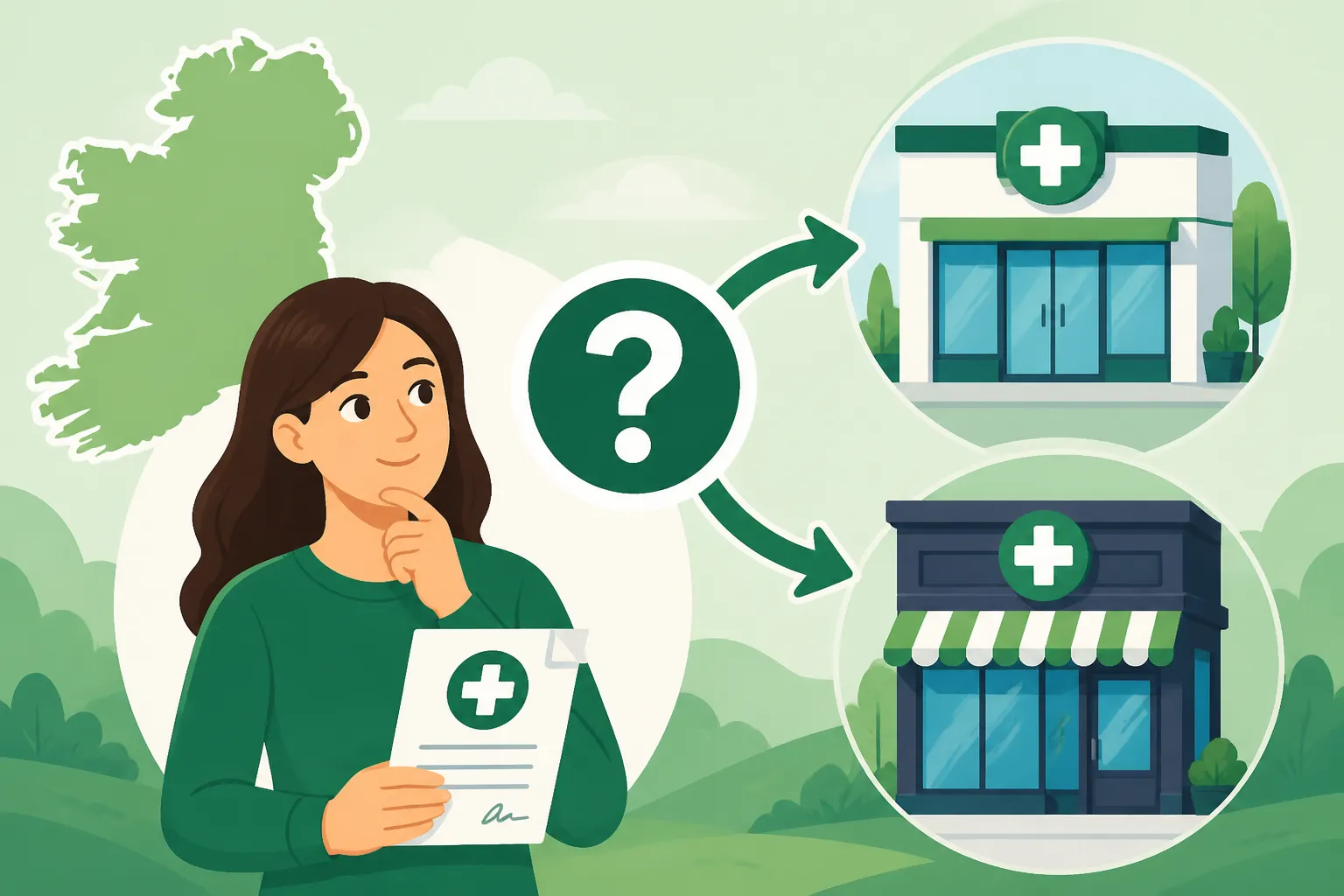
Moving to a new country like Ireland means facing a whole new set of rules and systems, and healthcare is one of the big ones that can cause a lot of anxiety. You might be wondering, "If my doctor writes me a prescription, can I just pop into any pharmacy in Ireland to get it filled?" It’s a completely fair question, and one that trips up many of us who've moved here. This guide will walk you through the ins and outs of getting your medications in Ireland, so you know exactly what to expect and how to avoid any frustrating surprises.
Understanding How Prescriptions Work in Ireland
When you first arrive, it’s easy to assume that a doctor’s note is universally accepted, but Ireland's pharmaceutical landscape has its own specific requirements. It's not just about a piece of paper; it's about a legally binding document issued within a regulated system.
The Basics of an Irish Prescription
An Irish prescription isn't just a scribble on a pad; it's a specific document that must contain certain information to be legally valid for dispensing medication here. Typically, it will come from a General Practitioner (GP), a hospital consultant, or another authorised prescriber registered with a professional body in Ireland, like the Irish Medical Council.
A valid Irish prescription must clearly state:
- The patient's full name and address.
- The date the prescription was issued (this is important, as some prescriptions, especially for controlled drugs, have a limited validity period).
- The full details of the medication, including its generic or brand name, strength, and dosage instructions.
- The quantity of medication to be dispensed.
- The signature and printed name of the prescribing doctor, along with their Medical Council registration number and practice address.
Without these details, even if it's from a seemingly legitimate source, a pharmacist in Ireland might not be able to fill it. This meticulousness is for your safety and to maintain the integrity of the healthcare system.
Why Foreign Prescriptions Are Rarely Accepted
This is often where expats hit their first hurdle. You’ve got your prescription from your home country, maybe with a familiar medication name, and you assume it’s all good. Unfortunately, for most non-EU/EEA prescriptions, they simply won't be accepted at an Irish pharmacy.
The reasons for this are multi-layered and rooted in legal, regulatory, and safety protocols:
- Different Drug Formularies and Regulations: Ireland has its own list of approved medications and strict rules about how certain drugs can be prescribed and dispensed. A drug commonly used in your home country might not be approved here, or it might be classified differently (e.g., over-the-counter vs. prescription-only).
- Prescribing Rights and Liability: Only doctors registered to practice in Ireland have the legal authority to prescribe medication here. Pharmacists are accountable for dispensing based on these valid prescriptions. If they dispense on a foreign prescription, they could be held liable for any adverse effects or legal infringements.
- Verification Difficulties: Imagine a pharmacist trying to verify the legitimacy of a prescription from a doctor in, say, Argentina or Australia. They'd need to confirm the doctor’s credentials, the legality of the prescription, and potentially translate medical terms, all of which are simply not feasible or safe on a daily basis.
- Controlled Drugs: This is especially true for controlled drugs, which are subject to very stringent regulations in Ireland due to their potential for misuse. Foreign prescriptions for these will almost never be accepted.
I remember when my friend first moved here from Canada. She had a prescription for a common allergy medication, and the pharmacist just couldn't fill it. She had to book an appointment with a local GP and essentially start fresh. It’s frustrating, I know, but it’s how the system protects everyone. To learn more about navigating the overall system, you might find it helpful to read our guide on Navigating the Irish Healthcare System: An Expat's Roadmap (2027).
Getting Your Prescription Filled at an Irish Pharmacy
Once you have a legitimate Irish prescription in hand, the process becomes much smoother. The good news is, the system is designed for accessibility once you’re in it.
"Any Pharmacy" – The General Rule
For most standard medications, yes, you can get an Irish prescription filled at virtually any pharmacy across the country. Whether it's a large chain like Boots or a small independent chemist in a rural town, they operate under the same national regulations. This offers a good deal of flexibility, which is certainly a relief when you're settling into a new place.
You might find pharmacies in supermarkets, in dedicated health centres, or as standalone shops on high streets. They all generally stock a wide range of common medications, and if they don't have something immediately available, they can usually order it for the next day. This standardisation is one of the more convenient aspects of the Irish healthcare system. So, if your GP in Dublin writes you a prescription, and you happen to be visiting Cork, you can usually get it filled there without a hitch.
When You Might Face Hurdles
While the "any pharmacy" rule largely holds true, there are a few instances where you might encounter a snag or two, even with a valid Irish prescription. It's good to be prepared for these exceptions:
- Controlled Drugs: Prescriptions for controlled drugs (like strong painkillers, certain sedatives, or ADHD medications) have stricter rules. They might need to be dispensed within a certain timeframe from the date of issue (e.g., some within 5 days, others within 14 days), and some pharmacies might not stock all types due to supply or security reasons. Also, pharmacists might be more diligent about verifying these prescriptions, especially if it's your first time getting it filled at that particular pharmacy.
- Out of Stock Medications: Just like anywhere else, pharmacies can run out of certain medications, particularly if they are less common, new to the market, or if there's a national supply issue. In such cases, the pharmacist will usually offer to order it for you, suggest an alternative generic drug (if medically appropriate and with your consent), or advise you on where else you might find it.
- Issues with the Prescription Itself: Sometimes, a prescription might be missing crucial information, the doctor's signature might be illegible, or there could be an expiry date issue. A pharmacist might call your GP for clarification before dispensing, which can cause a slight delay.
- Specialised Medications: Very niche or extremely expensive medications might not be routinely stocked by every small pharmacy. These might need to be ordered in, or you might be directed to a larger hospital pharmacy or a specialist pharmacy.
It's always a good idea to build a relationship with a local pharmacy that you frequent. They’ll get to know you, your medications, and can often anticipate your needs, making the whole process even smoother. Our comprehensive guide on Prescription Medications and Pharmacies in Ireland: The Complete Guide offers more detail on this topic.
What to Do If You Have a Foreign Prescription
Okay, so you’ve just arrived, you've got your foreign prescription, and you know it's probably not going to fly. What's the best course of action to ensure you get the medication you need without unnecessary stress?
Seeing an Irish GP is Key
The most straightforward and reliable way to get your medications in Ireland is to get an Irish prescription. This means registering with a local General Practitioner (GP) as soon as possible after you arrive. This should be a top priority for any expat, as your GP is your gateway to the entire Irish healthcare system.
When you have your first appointment with an Irish GP, bring all your current foreign prescriptions, any relevant medical records, and a list of your current medications (including dosage and frequency). Your GP will then assess your needs, confirm the diagnosis, and issue you a new, valid Irish prescription. This might involve a discussion about equivalent Irish medications, as brand names can differ, or even different active ingredients for the same condition. They might also suggest some routine health checks to ensure continuity of care.
While you might be able to find an English-speaking doctor in Ireland, the primary goal is to get established with a local GP. For detailed instructions on this, check out our guide on How to Register with a GP (Family Doctor) in Ireland.
Limited Exceptions for EU/EEA Prescriptions
Now, there is a slight nuance for those coming from other EU/EEA countries. Thanks to EU directives, some prescriptions issued in another EU/EEA member state can be legally dispensed in Ireland. However, this is not a guarantee and comes with significant caveats.
The prescription must:
- Be issued by a regulated health professional in an EU/EEA country.
- Contain all the necessary information, including the patient's full identity, prescriber's details (professional qualifications, direct contact details, work address), medication details (common name, strength, dosage, quantity), and the date of issue.
- Be intelligible to the Irish pharmacist.
Crucially, the decision to dispense an EU/EEA prescription rests entirely with the individual pharmacist. They will often need to verify the prescription with the issuing doctor, which can be time-consuming and may not always be possible, especially outside of business hours or if there are language barriers. They also have the right to refuse if they have doubts about its authenticity or appropriateness. For controlled drugs, it’s exceptionally rare for a foreign EU/EEA prescription to be accepted.
My advice? Even with an EU/EEA prescription, always plan to see an Irish GP to get a local prescription. Relying on the exception can lead to unnecessary delays and stress when you need your medication.
Travel Insurance and Emergency Situations
What if you've just landed, haven't registered with a GP yet, and suddenly need medication? This is where good travel or expat health insurance can be a lifesaver. While your insurance won't magically make a foreign prescription valid in an Irish pharmacy, it can cover the cost of an urgent GP visit here.
In an emergency, you might need to visit a walk-in clinic or an out-of-hours GP service. These services can be expensive without an Irish Medical Card or GP Visit Card, or private health insurance. Having a comprehensive travel insurance policy, like those offered by SafetyWing, can reimburse you for the cost of seeing an Irish doctor who can then issue you a valid Irish prescription. Once you have that local prescription, you can then proceed to any pharmacy.
Remember, even in an emergency, the principle remains: you need a legitimate Irish prescription to get most medications. Your insurance can help you cover the cost of getting that prescription, not bypass the system. For more on urgent care, see Emergency Medical Care in Ireland: What Every Expat Needs to Know.
Practical Tips for Expats Navigating Irish Pharmacies
Settling into a new healthcare system takes time, but a few practical tips can make your life a lot easier when it comes to getting your prescriptions filled.
Always Carry Your PPSN and ID
Your Personal Public Service Number (PPSN) is crucial for accessing many public services in Ireland, including certain healthcare benefits. While you won't always need it for a routine prescription fill, it becomes vital if you're availing of schemes like the Drugs Payment Scheme (DPS) or the Long Term Illness Scheme.
The Drugs Payment Scheme (DPS) is brilliant, capping the monthly cost of prescription medications for individuals and families. But to register for and use it, your PPSN will be required. Similarly, your ID (like your IRP card or driving licence) might be requested, particularly for controlled drugs or if you're new to a pharmacy. Always have these handy to avoid delays. Understanding the Drugs Payment Scheme (DPS) in Ireland can save you a lot of money in the long run.
Understand Drug Availability and Names
Don’t be surprised if the medication you’ve always taken back home has a different name or isn’t readily available in Ireland. Pharmaceutical companies often use different brand names in different markets, even for the same active ingredient. Your Irish GP will be able to prescribe the local equivalent or a suitable alternative.
Sometimes, a drug might simply not be available here, or it might be prescribed in a different strength or formulation. Be prepared for a conversation with your GP about alternatives. It’s a good idea to research the generic (active ingredient) name of your medications rather than just the brand name, as generic names are more universally recognised.
Building a Relationship with Your Local Pharmacist
While you can go to any pharmacy, finding a regular, local pharmacy and sticking with it has numerous benefits. Your local pharmacist isn’t just there to dispense drugs; they are a vital healthcare professional who can offer advice on minor ailments, over-the-counter remedies, and even provide certain vaccinations (like the flu vaccine).
When you use the same pharmacy consistently, they get to know your medical history, your regular medications, and any allergies you might have. This continuity of care can prevent drug interactions, ensure you receive consistent advice, and make the whole process feel much more personal and efficient. They might also be more willing to go the extra mile to order specific medications for you or call your GP if there’s a query. This relationship can be invaluable, especially when you're still getting used to a new country and its systems.
| Prescription Type | General Acceptance in Ireland | Conditions/Notes |
|---|---|---|
| Irish Prescription | Yes | Must be validly issued by an Irish-registered prescriber with all required details. Can generally be filled at any pharmacy. |
| EU/EEA Prescription | Limited (Pharmacist Discretion) | Must be intelligible and contain full prescriber/patient/medication details. Pharmacist may need to verify with issuing doctor. Rarely accepted for controlled drugs. Best to get an Irish prescription. |
| Non-EU/EEA Prescription | No | Not legally valid for dispensing in Irish pharmacies. You must see an Irish GP to obtain a new prescription. |
| Emergency Scenario | Requires Irish Prescription | Even in an emergency, you need an Irish prescription. Travel insurance (e.g., SafetyWing) can cover the cost of an urgent GP visit to get one, but not directly fill a foreign prescription. |
Overall, the Irish system is well-regulated and efficient once you understand how it works. The key takeaway for expats is to always aim for an Irish prescription issued by an Irish-registered doctor. It will save you a world of hassle and ensure you get the care you need.
Disclaimer
Please remember that I'm an expat blogger sharing my experiences and general information about living in Ireland. While I strive to provide accurate and up-to-date content, healthcare regulations and advice can change. This article is for informational purposes only and should not be considered legal or medical advice. Always consult with a qualified Irish medical professional or the relevant authorities for specific guidance tailored to your situation.