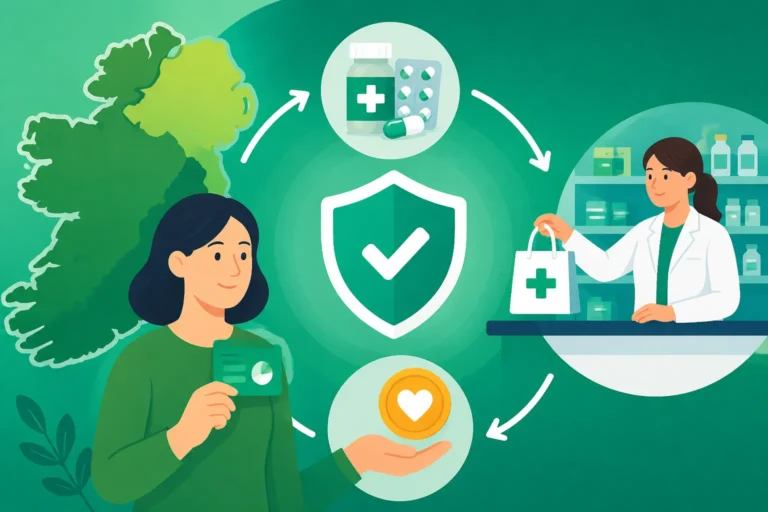
Where Can I Get the Flu Vaccine in Dublin?
Alright, let's talk about the dreaded flu season in Ireland. Moving to a new country is exhilarating, but nothing quite brings you back down to earth like the sniffles, coughs, and aches of a proper flu, especially when you're still trying to figure out where the nearest pharmacy is, let alone how the whole healthcare system works. This guide is going to walk you through exactly where you can get your flu vaccine in Dublin, making sure you're well-equipped and confident to protect yourself against the seasonal nasties.
Your Go-To Options for the Flu Vaccine in Dublin
When you’re new to Ireland, the healthcare landscape can feel a bit like a mystery wrapped in an enigma, especially with all the talk of public versus private. But when it comes to the flu vaccine, thankfully, it’s one of the more straightforward things to sort out. You've got a few main avenues, and understanding each one will help you choose the most convenient path for your circumstances.
Your Local Pharmacy: The Quick and Easy Solution
For many expats, especially those who haven't yet managed to get themselves registered with a General Practitioner (GP), the local pharmacy is an absolute godsend for the flu jab. It’s incredibly convenient, often requiring no appointment, or just a quick call ahead, and it's usually the fastest way to get it done. Pharmacies across Dublin, from the bustling city centre to the quiet suburbs, offer this service, making it super accessible.
Think about it: you’re rushing home after work, or maybe you’re out running errands on a Saturday afternoon. You spot a pharmacy, pop in, and within minutes, you could have your flu vaccine administered by a qualified pharmacist. They’ll usually have a private consultation room where they can give you the jab and briefly go over any questions you might have. Most pharmacies will have signage up when the flu vaccine service is available, typically starting in late September or early October. This option is particularly appealing if you're still navigating the initial stages of getting settled and haven't had the chance to sort out a regular GP. Many rely on this option, even established residents, simply for its sheer ease.
Registering with a GP for the Jab
While pharmacies are fantastic for convenience, getting your flu vaccine through a GP is also a very common and trusted route, especially if you already have a doctor you’re registered with. For many long-term residents, visiting their GP for the annual flu vaccine is just part of their routine healthcare. If you're planning on staying in Ireland for the long haul, finding and registering with a GP is a crucial step for your overall health management. You can learn more about this process in our guide on Registering with a GP in Ireland: The Complete Expat Guide (2027).
Making an appointment with your GP means you’ll get the vaccine in a familiar medical setting, and you'll have the opportunity to discuss any other health concerns you might have with your doctor during the same visit. This can be particularly beneficial if you have underlying health conditions or if you fall into one of the "at-risk" categories, where a more comprehensive medical consultation might be reassuring. While it might involve a bit more planning than a walk-in pharmacy, it ensures your vaccination record is kept directly with your primary care provider, which is always a good thing for continuity of care.
Workplace and University Clinics
If you're working for a larger company in Dublin, or if you're a student at one of the city's universities, there's a good chance they might offer on-site flu vaccination clinics. This is often the most hassle-free option of all, as it's usually free of charge and integrated into your daily environment. Many multinational corporations and educational institutions see it as part of their commitment to employee and student well-being, especially during flu season.
These clinics are typically organised for a specific period, often with sign-up sheets or online booking systems circulated well in advance. Keep an eye on internal communications, notice boards, or your student portal for announcements. For example, universities like Trinity College Dublin, University College Dublin (UCD), and Dublin City University (DCU) often arrange these clinics for their student body and staff. If your workplace or university offers this, snap it up! It’s one of those little perks that can save you both time and money, and it demonstrates a proactive approach to public health within your immediate community.
Navigating the Flu Vaccination Process as an Expat
So, you know where to go, but what’s the actual drill for getting the flu vaccine in Dublin? It’s pretty straightforward, but understanding the steps, potential costs, and what you’ll need will help smooth out any anxieties you might have as a newcomer.
Booking Your Appointment
The method for booking will depend entirely on where you decide to get your vaccine. If you opt for a pharmacy, many now offer online booking slots through their websites. Boots and Lloyd's Pharmacy, for instance, often have dedicated sections on their sites where you can select a time and location that suits you. This is fantastic for planning ahead and avoiding queues. Alternatively, you can always just walk into your local pharmacy and ask if they have availability. Often, if there’s a pharmacist on duty who’s certified to administer the vaccine, they can fit you in quickly.
For a GP appointment, you’ll need to call your surgery directly. Be prepared that flu vaccine clinics at GP practices can get busy, so it’s always best to book as soon as you know you want the jab. If you haven’t yet registered with a GP, this might be a good time to do so, especially if you want your medical records to be centralised. Take a look at How to Register with a GP (Family Doctor) in Ireland for a full breakdown. As for workplace or university clinics, keep an eye on internal communications; they’ll provide specific instructions for booking, which usually involves an internal sign-up system or designated appointment times.
What to Expect at Your Appointment
Regardless of where you go, the process itself is very quick and similar to receiving any other injection. You'll be asked a few questions to ensure you're eligible and that there are no contraindications – for example, if you've had a severe allergic reaction to a vaccine before, or if you're currently unwell with a high fever. You'll typically be asked for your Personal Public Service (PPS) number, though it's not always strictly required, especially if you're paying privately at a pharmacy.
The actual injection takes mere seconds and is usually given in your upper arm. You might feel a slight sting, but it's generally very tolerable. Afterwards, you'll be advised to stay for about 10-15 minutes, particularly in a pharmacy or clinic setting, just to ensure you don't have any immediate adverse reactions, which are very rare but always monitored for safety. You might experience some minor side effects like a sore arm, a low-grade fever, or mild aches, but these are typically short-lived and far less severe than the actual flu. It's a small price to pay for the peace of mind.
Understanding the Costs Involved
Here’s where it can get a little nuanced for expats, depending on your eligibility for public healthcare services.
For those eligible for free public healthcare (Medical Card holders or certain at-risk groups): If you have a Medical Card or a GP Visit Card, or if you belong to one of the HSE-defined at-risk groups (e.g., over 65, pregnant, have certain chronic conditions), your flu vaccine is typically free if administered by a GP. Some pharmacies also participate in the free vaccination scheme for these groups. It’s always best to confirm this when booking your appointment.
For everyone else (the majority of expats): If you don't have a Medical Card and aren't in an at-risk group covered by the HSE, you will generally pay a fee for the flu vaccine.
- Pharmacies: The cost usually ranges from €25 to €35. This fee typically covers both the vaccine itself and the administration by the pharmacist.
- GPs: If you’re seeing your GP, you might pay a consultation fee (which can range from €50-€70, or sometimes more in Dublin) in addition to the vaccine cost if it’s not covered by your GP Visit Card or Medical Card. Some GPs might offer a reduced fee specifically for the flu jab.
- Workplace/University: As mentioned, these are often provided free of charge by your employer or institution.
It's a good idea to factor this into your initial move budget, alongside other essential services like setting up your bank account or understanding your tax obligations. While personal travel insurance like SafetyWing is excellent for unexpected medical emergencies or travel interruptions, it generally won't cover routine vaccinations like the flu jab unless specifically stated in a comprehensive health package, which is less common for short-term policies. For long-term health planning, understanding options like Health Insurance in Ireland: VHI, Laya, Irish Life and Options Explained is vital.
Here's a quick comparison of the common options:
| Option | Convenience | Cost (Typically for expats not eligible for free jab) | Notes |
|---|---|---|---|
| Local Pharmacy | Very High (Walk-in/Online booking) | €25 – €35 | Great for quick, easy access. Widely available. Pharmacist administers. Some pharmacies may offer it free for eligible groups. |
| Registered GP | Medium (Appointment needed) | Varies (€0 for eligible, €50-€70+ for private GP visit) | Offers continuity of care with your doctor. Useful if you have other health concerns. Might be part of an annual check-up. Ensure you've completed your How to Register with a GP (Family Doctor) in Ireland step. |
| Workplace/University Clinic | Very High (On-site) | Often Free | Excellent perk if offered. Conveniently located at your place of work or study. Keep an eye on internal announcements. |
Important Considerations for Expats in Ireland
Moving to Ireland, you’re adapting to so much, and your health is probably top of mind. Understanding the nuances of the Irish healthcare system as an expat can be a bit tricky, but when it comes to the flu vaccine, a few key points will help you navigate it smoothly.
Eligibility and Entitlements
As a general rule in Ireland, all residents are entitled to public healthcare services. However, "entitlement" doesn't always mean "free." For the flu vaccine, certain groups are prioritised and offered the vaccine free of charge by the Health Service Executive (HSE). These typically include:
- Anyone aged 65 and over.
- Pregnant women.
- Anyone aged 6 months and older with a long-term health condition (like asthma, diabetes, heart disease, etc.).
- Healthcare workers.
- Carers.
- People with a Body Mass Index (BMI) of over 40.
- Children aged 2-17 (typically administered as a nasal spray, not an injection, and often free through schools or GPs).
If you fall into any of these categories, make sure to mention it when booking your vaccine. You can usually get it free through your GP or participating pharmacies. For other expats who don't fit these criteria, you will typically pay the private fee at a pharmacy or GP. It’s important to understand this distinction as part of your broader understanding of The Complete Guide to Healthcare in Ireland for Expats (2027).
The Public vs. Private Landscape for Vaccinations
The flu vaccine is a great example of how both the public and private sectors contribute to healthcare in Ireland. While the HSE oversees the overall flu vaccination programme and provides the vaccine free to specific at-risk groups, private pharmacies and GPs offer the service widely for a fee. This means you have options, which is a big plus.
For expats, particularly those who have just arrived and might not yet be fully integrated into the public healthcare system with a registered GP, the availability of flu vaccines in private pharmacies is a lifesaver. You don't need to navigate complex registration processes or waiting lists just to get a basic preventative measure. It's a testament to the accessibility of community health services in Ireland. While you might be paying out of pocket, the cost is relatively low compared to other medical procedures. Even if you have private health insurance like VHI, Laya, or Irish Life, many basic plans don't cover routine vaccinations like the flu jab, but it’s always worth checking your specific policy. Comprehensive health insurance is more geared towards covering things like specialist visits, hospital stays, or How to Access Specialist Care Through Private Insurance in Ireland.
Timing is Everything: When to Get Vaccinated
The flu season in Ireland typically runs from late autumn through winter, peaking between December and February. The HSE and medical professionals generally recommend getting your flu vaccine in late September, October, or early November. This timing is crucial because it allows your body enough time (usually about two weeks) to develop protective antibodies before the flu virus starts circulating widely.
Getting vaccinated too early (e.g., in August) might mean your immunity wanes before the season truly peaks, while getting it too late could leave you vulnerable for weeks during the highest risk period. So, as soon as you see those signs going up in pharmacies and hear announcements from GPs, make a plan. Don’t procrastinate! It’s a small, proactive step that can make a huge difference to your health and well-being as you settle into your new life in Dublin.
Why Getting Your Flu Vaccine is Crucial for Expats
Beyond the personal benefits, there are several compelling reasons why getting your flu vaccine in Dublin, particularly as an expat, is a really smart move. It's about more than just avoiding a few days of feeling rough; it's about protecting your new community and navigating the healthcare system effectively.
Protecting Yourself and Your New Home
First and foremost, the flu vaccine protects you. While the flu might seem like a common cold, it can be a serious illness, leading to complications like pneumonia, bronchitis, and even hospitalisation, especially for vulnerable individuals. Getting vaccinated significantly reduces your risk of contracting the flu and, if you do get it, lessens the severity of your symptoms. As an expat, getting seriously ill in a new country can be incredibly isolating and stressful, especially if you don't have a strong support network yet. Minimising that risk is just good self-care.
Moreover, by getting vaccinated, you're contributing to herd immunity in Ireland. You're not just protecting yourself; you're protecting those around you who might be more vulnerable, like the elderly, young children, or individuals with weakened immune systems who cannot get vaccinated themselves. Becoming a part of the community means taking on some shared responsibility, and public health is a prime example. This collective effort is what keeps flu outbreaks under control and helps everyone stay healthier.
Avoiding the Public Health System Strain
Let's be brutally honest: the Irish public healthcare system, particularly the Emergency Departments (A&E) and public hospitals, can be incredibly strained, especially during the winter months. Flu season exacerbates this, with hospitals often reporting overcrowding and long waiting times. While Emergency Medical Care in Ireland: What Every Expat Needs to Know is an essential read, getting your flu vaccine is a proactive step to avoid needing that emergency care in the first place.
Imagine getting a severe case of the flu and having to navigate the Understanding Public Hospital Charges and the A&E Fee in Ireland or waiting for hours in an A&E department because you're struggling to breathe. It’s a scenario no one wants, particularly when you’re far from home. By getting vaccinated, you're not only safeguarding your own health but also doing your bit to ease the pressure on an already stretched system, ensuring resources are available for those who truly need critical care. It's a win-win for everyone in your new home.
Final Thoughts and Proactive Steps
Navigating healthcare in a new country, even for something as routine as a flu vaccine, can feel daunting. But Dublin offers several accessible and efficient options for expats to get their jab. Whether it’s the convenience of a local pharmacy like Boots or Lloyd's, the familiarity of your registered GP, or a free clinic organised by your employer or university, there’s a path that will work for you.
Don’t wait until the flu is knocking on your door. Be proactive, get informed, and protect yourself. This small step can save you a lot of hassle, worry, and potential illness, allowing you to truly enjoy your life in Ireland, sniffle-free. Remember, understanding The Cost of Healthcare in Ireland: A Complete Breakdown for Foreigners (2026) is part of being well-prepared, and the flu vaccine is a great place to start. For those who are still in the process of setting up their long-term health insurance, or perhaps are covered by a travel insurance like SafetyWing for emergencies, remember that routine preventative care like flu shots typically falls outside of basic emergency coverage, so plan accordingly for the modest out-of-pocket cost.
Disclaimer
The information provided in this guide is intended for general informational purposes only and does not constitute medical advice. While every effort has been made to ensure accuracy, healthcare policies and services in Ireland can change. Always consult with a qualified healthcare professional, such as a doctor or pharmacist, for personalised medical advice and the most up-to-date information regarding your health and vaccination needs.