How Do I Transfer to a New GP in Ireland?
Moving to a new country, or even just a new town within Ireland, often throws up more administrative hurdles than you ever anticipate, and figuring out something as fundamental as healthcare can feel like a maze. One of the most common questions I hear from fellow expats is about how to transfer to a new GP in Ireland – it seems straightforward, but often isn't. This guide is here to cut through the confusion, offering a realistic, step-by-step walkthrough to ensure you can seamlessly continue your healthcare journey.
Why You Might Need to Change GPs in Ireland
It might seem like a simple logistical exercise, but the reasons for needing a new GP in Ireland can be deeply personal and sometimes even a bit frustrating. As an expat, your life here is often in flux, especially in those first few years, and your healthcare needs to be able to adapt with you.
Moving House or Relocating
This is by far the most common reason for needing a new GP. When you first arrive in Ireland, you might settle in one area, secure a GP, and then life happens. Maybe you started in Dublin and found a great job opportunity in Cork, or perhaps you've decided the hustle of the city isn't for you and want to experience life in a smaller town in Galway. Whatever the reason for your move, if you're relocating a significant distance, keeping your old GP simply isn't practical for regular appointments, emergency needs, or even repeat prescriptions. You need a doctor who is geographically accessible, especially when you're feeling under the weather and don't want to trek across the country.
Often, I hear from expats who initially registered with a GP near their temporary accommodation, only to find themselves moving to a more permanent home much further away a few months later. This isn't just about convenience; it's about continuity of care. You want a local GP who understands the community, the local pharmacies, and who you can build a long-term relationship with. Trying to manage health concerns from afar with a doctor who is no longer local can quickly become a source of stress and delay in getting the care you need.
Dissatisfaction with Current GP Services
Let's be honest, sometimes it's not about geography; it's about fit. Just like any other service, not every GP practice is going to be the right one for you. You might find that your current GP has exceptionally long waiting times for appointments, making it difficult to get seen when you need to. Or perhaps the administrative staff are consistently unhelpful, adding an unnecessary layer of stress to simply booking an appointment or getting a referral.
I've known people who struggled with a GP's communication style, feeling unheard or rushed during consultations. Others have found that their practice doesn't offer the range of services they expect, or perhaps they feel their specific cultural background or expat needs aren't fully understood. Healthcare is deeply personal, and feeling comfortable and confident with your doctor is paramount. If you're consistently leaving your GP appointments feeling frustrated or unsatisfied, then it's a completely valid reason to seek out a new practice that better aligns with your expectations and needs. Don't feel guilty about prioritizing your well-being.
GP Retirement or Practice Closure
While less common, sometimes the decision to change GPs is entirely out of your hands. GPs, like anyone else, retire, or practices might close down, merge, or undergo significant changes that make them no longer suitable or accessible for you. This can be particularly unsettling because it often means you're suddenly without a GP and have to scramble to find a new one, often during a period of change for the practice itself.
In such situations, your existing practice usually makes efforts to inform patients well in advance and may even suggest alternative local GPs or provide guidance on transferring your records. However, the onus is still on you to find and register with a new practice. It can be a stressful time, especially if you've been with the same GP for years and have built a rapport. Knowing the process for transferring your medical records is crucial here, as you'll want to ensure all your historical health information moves with you to your new provider.
Understanding the Irish GP System
Before diving into the nitty-gritty of transferring, it's really helpful to grasp how GPs fit into the broader Navigating the Irish Healthcare System: An Expat's Roadmap (2027). This isn't just a collection of private doctors; it’s a foundational element of how most people access medical care here.
The Role of General Practitioners
In Ireland, your GP (General Practitioner), often called a family doctor, is your primary point of contact for almost all non-emergency medical issues. Think of them as the gatekeepers to the rest of the healthcare system. They're the ones you see for coughs, colds, minor injuries, chronic disease management, vaccinations, routine check-ups, and general health advice. More importantly, if you need to see a specialist, like a dermatologist, a cardiologist, or a physiotherapist, your GP is almost always the one who provides the referral. You can't just call up a consultant directly and book an appointment; you need that GP referral to ensure continuity of care and appropriate treatment pathways.
This system means that having a good relationship with your GP is incredibly important. They build up a comprehensive understanding of your medical history, your family's health if you have dependents, and your general well-being. This continuity helps them make informed decisions and provide personalized care over time. For expats, especially, a GP can also be a vital source of information and support, helping you understand local health guidelines and even local community resources.
Public vs. Private Practices
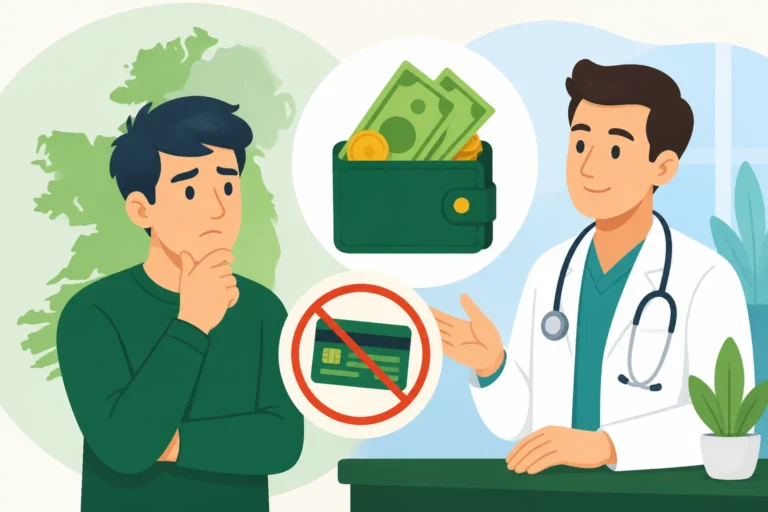
In Ireland, GPs operate largely on a private basis, even though they are a crucial part of the public health system. What does this mean in practice? It means that, for the most part, you pay a fee for each GP visit. This fee typically ranges from €50 to €70, sometimes more, depending on the practice and the length or complexity of the consultation.
However, there are exceptions and subsidies available. If you have a The Expat Guide to the Medical Card and GP Visit Card in Ireland (2027), your GP visits will be free. A Medical Card covers a wide range of public health services, including GP visits and prescription medicines, for those who meet specific income and eligibility criteria. A GP Visit Card, on the other hand, covers GP visits for individuals and families who don't qualify for a full Medical Card but still need help with the cost of seeing a doctor. If you're covered by either of these, it's essential to let your new GP know during registration, as they will need to link your care to your card details.
For those without these cards, most GP practices will operate on a "pay-as-you-go" model for appointments. Some private health insurance plans, like those from VHI, Laya, or Irish Life Health, may offer some reimbursement for GP visits, but often only a portion or after a certain excess is met. It's always best to check your individual policy for details. Understanding this payment structure is key when considering The Cost of Healthcare in Ireland: A Complete Breakdown for Foreigners (2026).
The Step-by-Step Process of Transferring GPs
Alright, let's get down to business. Transferring GPs doesn't have to be a nightmare, but it does require a bit of legwork and persistence. Here's how you can navigate it.
Finding a New GP
This is often the first hurdle, especially in popular areas like Dublin, Cork, or Galway where GPs can be inundated with patients. The best way to start is by asking for recommendations. Talk to colleagues, friends, or even local community groups (there are many expat groups on social media that can be invaluable resources). Personal recommendations can give you a real insight into a practice's atmosphere, waiting times, and the doctors themselves.
Another excellent resource is the Irish College of General Practitioners (ICGP) website, which often has a "Find a GP" tool. The Health Service Executive (HSE) website also provides lists of GP practices in different areas. Don't be afraid to search online for "GP [your area name]" or "doctors accepting new patients [your town/city]". Once you have a shortlist, it’s worth checking out their websites. Many practices will list their services, opening hours, and even their doctors' profiles online. Some will even indicate if they are currently accepting new patients right on their homepage. If you're looking for an English-speaking doctor, generally you'll find most doctors speak English fluently, but if you have specific language needs, this is a question to ask upfront.
Checking if They're Accepting New Patients
This step is critical and often overlooked, leading to frustration. Many GP practices, especially in urban centres or areas experiencing rapid population growth, have full patient lists and may not be accepting new registrations. It's a sad reality of the current healthcare landscape in Ireland, but it’s something you need to prepare for.
Once you have your shortlist of potential GPs, the most efficient way to check if they're taking new patients is to call their reception directly. Be polite and explain that you're new to the area (or wish to transfer) and are looking to register as a new patient. The receptionist will usually be able to tell you immediately if they have availability. If they don't, it’s worth asking if they maintain a waiting list or if they can recommend any other local practices that are accepting patients. Sometimes, smaller, newer practices or those slightly outside the immediate city centre might have more availability. Don’t get discouraged if the first few say no; keep trying!
Registering with the New GP
Once you find a GP practice that confirms they are accepting new patients, congratulations! This is a significant step. The next part is the actual registration process. They will usually ask you to come into the practice to complete a registration form. This form will collect your personal details, contact information, previous medical history (if you know it), and details of any existing medical conditions or medications you are taking.
You will almost certainly need to bring certain documents with you to prove your identity and address. We'll dive into those details in the next section, but expect to show a form of photo ID and recent proof of address. If you have a Medical Card or GP Visit Card, make sure you bring those details too, as they'll need to link your registration to your card. Some practices might also schedule an initial "new patient" consultation, which might be a brief chat with the doctor or nurse to get acquainted and gather some initial health information. This is a great opportunity to ask any questions you have about the practice's procedures. For a more detailed look, check out How to Register with a GP (Family Doctor) in Ireland.
Requesting Your Medical Records Transfer
This is a crucial part of ensuring continuity of care. Once you've successfully registered with your new GP, you'll need to arrange for your medical records to be transferred from your old practice. Typically, your new GP practice will handle this request on your behalf. During your registration, they'll usually provide a form for you to sign, authorising them to request your records from your previous doctor.
The process usually involves your new GP contacting your old one and arranging the secure transfer of your entire medical file. This can be done electronically (which is faster) or via post if the practices use older systems. It’s important to give explicit consent for this transfer. While the transfer is usually seamless between practices, it can take some time – anywhere from a few days to a couple of weeks, or even longer if either practice is particularly busy. Don't assume it happens automatically; always confirm with your new GP that the request has been sent. This ensures your new doctor has access to your full medical history, including past diagnoses, treatments, allergies, and medications, which is absolutely vital for providing you with the best care.
Notifying Your Old GP
While your new GP will initiate the transfer of records, it's also a good courtesy, and sometimes a requirement, to let your old GP practice know that you're moving on. A quick phone call to their reception to inform them that you've registered with a new practice and authorised the transfer of your records is usually sufficient.
This helps their administrative team update their patient list and prepare your records for transfer when the request comes through. It also prevents any confusion or unnecessary communication from your old practice down the line. It's a professional way to close off your relationship with them and ensures a smooth handover of your medical care.
What Documents You'll Need for Your New GP
Getting your paperwork in order before you even step foot in a new GP practice can save you a lot of hassle and repeat trips. The Irish administrative system loves documents, and GP registration is no exception.
Personal Identification (Passport, IRP Card)
You'll definitely need proof of who you are. The most commonly accepted forms of photo identification are your passport or your Irish Residence Permit (IRP) card. For EU/EEA citizens, a national ID card might also be accepted.
The IRP card is particularly important for non-EU/EEA expats, as it proves your legal residency status in Ireland. Make sure these documents are valid and up-to-date. Practices need this to accurately identify you and to ensure they are registering eligible individuals within the Irish healthcare system. They might take a photocopy or scan of your ID for their records, so be prepared for that.
Proof of Address
This is another non-negotiable requirement. GPs need to confirm you live within a reasonable proximity to their practice and, more broadly, that you are a resident of Ireland. Accepted forms of proof of address usually include:
- A recent utility bill (electricity, gas, broadband) in your name, dated within the last 3-6 months.
- A bank statement (physical or printed, stamped by the bank) in your name, also recent.
- A government letter, such as a letter from Revenue or the Department of Social Protection, dated recently.
- A tenancy agreement or mortgage statement.
It’s crucial that the document shows your current Irish address and is addressed to you. If you've just moved to Ireland and don't have utility bills in your name yet, a bank statement or a letter from your employer (on company letterhead, confirming your address) might sometimes be accepted, but it's best to call the practice beforehand to confirm what they will take. I know this can be a real pain point for newcomers who are still trying to set everything up.
PPS Number
Your Personal Public Service (PPS) number is like your national identification number for public services in Ireland. You'll need it for tax, social welfare, and crucially, for healthcare. It allows the GP practice to link your care to the HSE system and, if applicable, to your Medical Card or GP Visit Card.
If you're a new arrival and don't have one yet, you need to apply for it through the Department of Social Protection. Without a PPS number, you might still be able to register with a GP, but it can complicate things later, especially if you need to access other public health services or claim tax relief on medical expenses. For a deep dive into getting this essential number, see How Do I Get a PPS Number in Ireland?.
Medical Card/GP Visit Card Details (if applicable)
If you are lucky enough to hold a Medical Card or a GP Visit Card, you must provide these details to your new GP practice during registration. Your GP will need the card number and expiry date to ensure your visits are covered by the HSE.
Without this information, you will be charged for your consultations, even if you are entitled to free care. It's a common oversight that can lead to unexpected bills. Always keep your card safe and accessible, and if it's nearing expiry, remember to renew it to avoid any interruption in your entitlement to free GP visits.
Your Previous Medical History (if available)
While your new GP will request your formal medical records from your old practice, having a brief summary of your medical history on hand can be incredibly helpful during your initial registration or first appointment. This could include:
- A list of any chronic conditions you have (e.g., diabetes, asthma, high blood pressure).
- Details of any allergies (medication, food, environmental).
- A list of all current medications you are taking, including dosages.
- Information on any significant surgeries or hospitalizations.
- Your vaccination history.
This information allows your new GP to get an immediate overview of your health, even before your full records arrive. It's particularly important if you need to renew a prescription quickly or if you have an urgent health concern. Don't worry if you don't have an official document; even a handwritten list can be useful.
Addressing Common Challenges and Hurdles
Let’s be real, while the process should be smooth, this is Ireland, and bureaucracy often throws a wrench in the works. Expats often face unique challenges when trying to establish or transfer GP care.
Finding a GP Accepting New Patients
I mentioned this earlier, but it bears repeating: this is probably the biggest headache. In many parts of Ireland, particularly in high-demand urban areas, finding a GP practice with an open patient list can feel like searching for a pot of gold at the end of a rainbow. The doctor shortage is a real issue, and it means many practices are simply overwhelmed.
You might find yourself calling multiple practices, only to be met with "Sorry, we're not accepting new patients." This can be incredibly frustrating, especially if you have an immediate health concern or are trying to register your whole family. My best advice here is perseverance. Keep a list, make notes, and don't give up. Consider looking slightly outside your immediate neighbourhood, or be prepared to wait a few weeks or months on a waiting list if a practice offers one. This is also where those local expat networks come in handy, as someone might have recently found an opening.
Waiting Lists for Registration
Even if a practice is accepting new patients, they might have a waiting list. This means you might register your interest, provide your details, but then have to wait a period – sometimes weeks, sometimes months – before they can officially add you to their books and schedule your first appointment.
This can be problematic if you need regular medication or have an ongoing health issue that requires consistent monitoring. If you're on a waiting list, make sure you understand how urgent care is handled during this interim period. Will your old GP continue to provide care until you're formally registered? Or will you need to rely on walk-in clinics or out-of-hours services in an emergency? This is also a situation where having robust travel insurance or expat health insurance like SafetyWing could provide a crucial safety net for unexpected medical needs while you're in this transition period, bridging any gaps in immediate access to primary care.
Transferring Complex Medical Records
For most people, a simple transfer of records is fine. But if you have a complex medical history, multiple chronic conditions, or have been under the care of several specialists, the transfer process can sometimes hit bumps. Older records might be paper-based and take longer to physically move, or key details might not be immediately obvious in a digital transfer.
It's a good idea to proactively discuss your medical history with your new GP during your first appointment. Highlight any critical information, ongoing treatments, or medications. If you have copies of specialist letters or test results from your home country or previous GP, bring them along. This extra effort can ensure nothing important is missed and your new GP has the fullest possible picture of your health needs from day one.
Dealing with Different Practice Policies
Every GP practice is a little different. One practice might handle repeat prescriptions entirely online, another might require you to call, and a third might insist you pick them up in person. Appointment booking systems vary widely, as do policies on communication (e.g., will the doctor call you back for non-urgent queries?).
As an expat, you're constantly adapting to new systems, and GP practices are no exception. Be patient, ask questions, and try to understand the local ways of doing things. What worked with your previous doctor might not apply here. For instance, Prescription Medications and Pharmacies in Ireland: The Complete Guide will highlight that pharmacists here often have a more limited role in prescribing compared to some other countries. Familiarise yourself with the specifics of your new practice to avoid misunderstandings.
Costs Associated with Transferring and New GP Visits
Let's talk about money, because healthcare in Ireland isn't always "free at the point of use," as some might assume coming from other countries. Understanding the financial aspect is crucial for expats.
Initial Consultation Fees
As discussed, unless you hold a valid Medical Card or GP Visit Card, you will almost certainly be charged for your first visit to a new GP. This initial "new patient" consultation might be a standard fee, typically ranging from €50-€70, but it could sometimes be higher if it's a more extensive check-up.
It's always a good idea to ask the receptionist about their consultation fees when you call to inquire about registration. This avoids any surprises later on. While some private health insurance providers might offer some reimbursement for GP visits, often you'll need to pay upfront and then claim back a portion, if anything, later. Be prepared for this out-of-pocket expense as you get settled with your new doctor.
Prescription Costs
Once you've seen your new GP and they issue prescriptions, you'll then face the cost of the medications themselves. While the GP visit fee is consistent, prescription costs can vary significantly depending on the specific medication.
Ireland operates under the Understanding the Drugs Payment Scheme (DPS) in Ireland, which is incredibly helpful. This scheme ensures that an individual or family does not have to pay more than a certain amount (currently €80 as of my last check) for approved prescribed drugs and medicines in any one calendar month. Once you hit that cap, the rest of your prescriptions for that month are free. You'll need to register for the DPS, but it’s a relatively straightforward process. However, for those first few prescriptions before you hit the monthly threshold, or if you're only on one inexpensive medication, you'll pay the full cost.
Record Transfer Fees (Rare but Possible)
In most cases, the transfer of your medical records from one GP practice to another within Ireland is free of charge. It's generally considered part of the administrative services. However, there can be very rare instances where an older practice, or one with particular internal policies, might levy a small administrative fee for preparing and sending extensive paper records.
This is not common practice, but it's something to be aware of. If you are ever quoted a fee for records transfer, it's worth politely inquiring why and if it can be waived, especially if the new GP is requesting the transfer as a standard procedure. Ideally, your records should move with you without additional financial burden.
| Aspect | Old GP Practice Actions | New GP Practice Actions | Patient Responsibilities |
|---|---|---|---|
| Notification | Receives transfer request, updates patient list. | Confirms acceptance, registers patient details. | Informs old GP (courtesy), finds new GP, checks availability. |
| Registration | N/A (patient is leaving) | Provides registration forms, verifies documents. | Completes forms, provides ID, proof of address, PPSN. |
| Records Transfer Request | Receives request from new GP. | Sends official request to old GP (with patient consent). | Signs consent form for records transfer. |
| Records Transfer Execution | Prepares and sends full medical file (electronic/physical). | Receives and integrates medical records into their system. | Follows up if transfer takes too long; provides initial summary. |
| Payment/Cards | N/A | Notes Medical/GP Visit Card details; charges for private visits. | Provides card details; pays for private visits; claims insurance. |
Transferring to a new GP in Ireland is absolutely doable, but it requires a bit of research, some phone calls, and gathering the right documents. Don't be discouraged by the initial hurdles; a little preparation goes a long way in ensuring you have continuous and effective primary healthcare during your time here.
Disclaimer
Please note that the information provided in this guide is for general informational purposes only and does not constitute professional medical, legal, or financial advice. While we strive to ensure accuracy, regulations and policies within the Irish healthcare system can change. We recommend verifying all information with the relevant official sources, such as the Health Service Executive (HSE), the Irish College of General Practitioners (ICGP), or a qualified professional, before making any decisions related to your healthcare in Ireland.