What Are the Best Areas to Live in Ireland?
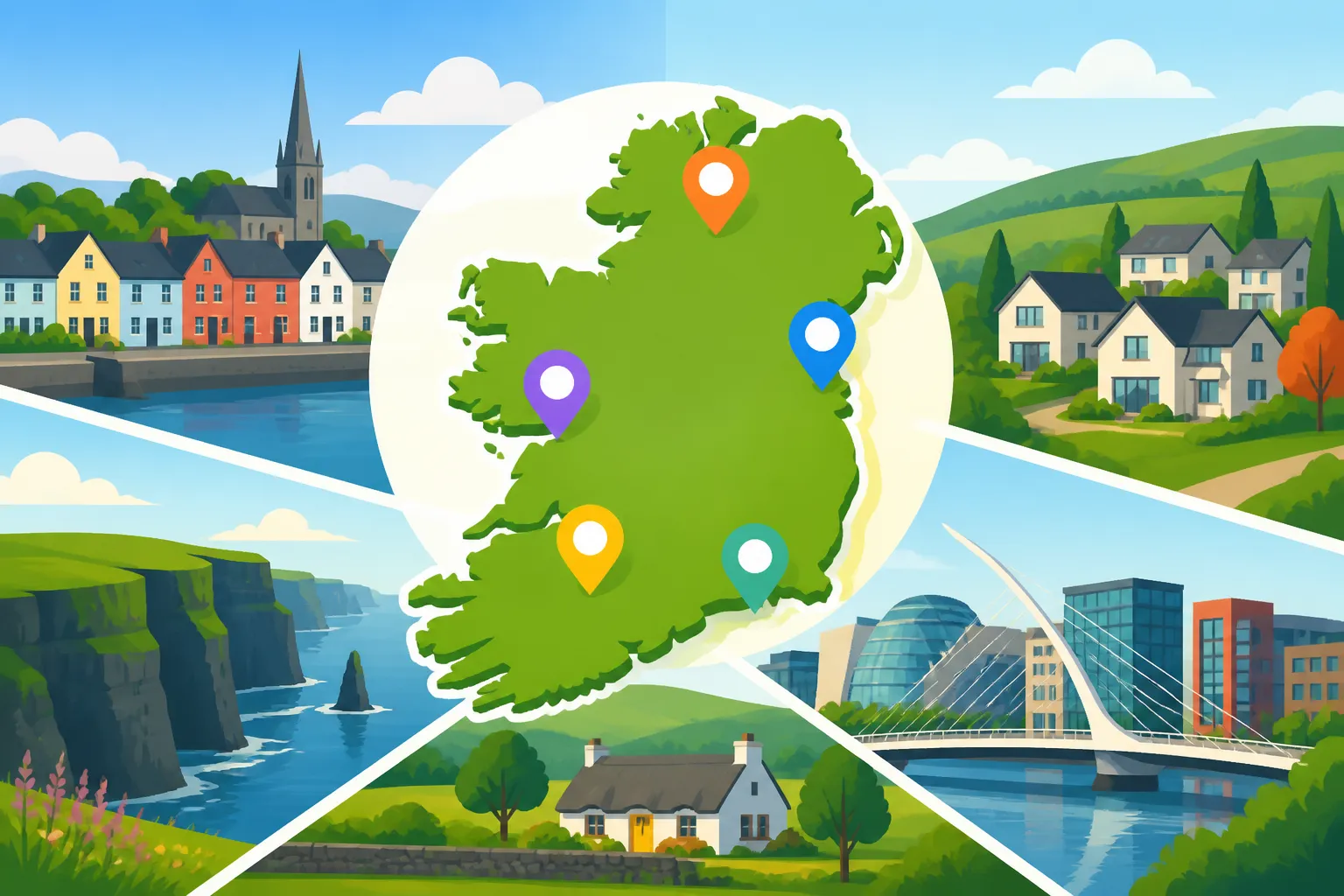
Moving to a new country like Ireland is incredibly exciting, but let's be honest, it also comes with a mountain of decisions and a fair bit of head-scratching. One of the biggest dilemmas, and often the most personal, is figuring out where to lay down roots. Ireland offers such a rich tapestry of landscapes and lifestyles, from the buzzing urban centres to the quiet, rugged coastlines, and trying to pinpoint the 'best' area can feel like searching for a needle in a very scenic haystack. This guide is here to walk you through the distinct flavours of life across Ireland, helping you understand the pros and cons of different regions so you can find a place that truly feels like home.
The Bustling Heart: Dublin City and Its Surrounds
Ah, Dublin. For many expats, this is their first port of call, and for good reason. It's the capital, the economic engine, and undeniably the most international city in Ireland. But Dublin isn't a monolith; it’s a patchwork of experiences, each neighbourhood offering something different. Navigating it can be a bit like learning a new language – overwhelming at first, but incredibly rewarding once you get the hang of it.
Dublin City Centre: The Pulse of Urban Living
If you thrive on energy, proximity to everything, and a truly cosmopolitan vibe, then Dublin city centre might be calling your name. This is where the magic happens for many. You're never far from a great pub, a fantastic restaurant, or a historical landmark. The job market here, particularly in tech and finance, is robust, attracting talent from all corners of the globe. You'll find yourself rubbing shoulders with people from every continent, and the cultural calendar is always packed. From theatre at the Abbey and Gate to live music spilling out of Temple Bar, there’s always something to do.
However, let's talk brass tacks: the cost. Dublin's city centre is notoriously expensive, especially when it comes to rent. You'll likely be paying a premium for a smaller living space compared to other cities, and finding a place can be a gruelling process. The competition is fierce, and securing a rental often requires quick decision-making and a bit of luck. Utilities, groceries, and even a pint can feel significantly pricier than what you might be used to elsewhere in Ireland. Public transport is excellent, though, with the Luas (tram), DART (commuter train), and an extensive bus network making it easy to get around without a car. This is a huge plus for those who prefer to ditch the driving and embrace city living. If you’re considering your budget, you might want to delve deeper into How Much Does It Cost to Rent in Dublin in 2026?.
Dublin's Suburban Charms: Balancing Calm and Convenience
For many expats, especially those with families or those seeking a slightly slower pace without sacrificing convenience, Dublin’s suburbs offer an attractive compromise. Think tree-lined streets, more spacious homes (often with gardens!), and a strong sense of community. Areas like Rathmines, Clontarf, Blackrock, and Malahide, for example, are highly sought after. They offer a more relaxed atmosphere, often with excellent schools, local amenities, and green spaces, while still being well-connected to the city centre.
The trade-off, of course, is the commute. While public transport links are generally good – with the DART serving coastal towns and buses covering most areas – you'll spend more time travelling into the city for work or socialising. The rental market, while still competitive, can offer slightly more options and potentially a bit more bang for your buck than in the direct city centre, though prices remain high by national standards. Many expat families find that the move to the suburbs is a necessary and welcome compromise for a better quality of life and more space for their children. It’s about finding that sweet spot where you can enjoy both urban opportunities and suburban tranquility. This balance is key when thinking about The Complete Guide to Cost of Living in Ireland for Expats (2026), as the daily expenses might shift with your location.
Beyond the Capital: Ireland's Vibrant Regional Cities
While Dublin often grabs the headlines, Ireland's other cities offer incredibly distinct and equally fulfilling experiences for expats. Each has its own charm, its own pace, and its own opportunities, often at a more palatable cost than the capital.
Cork: The Rebel County's Cosmopolitan Hub
Down in the "Real Capital," as locals affectionately call it, Cork is a city that truly lives up to its nickname – the Rebel County. It’s fiercely independent, boasts a vibrant cultural scene, and a food reputation that often outshines Dublin’s. As an expat, you’ll find a genuinely warm welcome here. The city centre is compact and walkable, filled with quirky cafes, bustling markets like the English Market, and historic pubs. There’s a growing job market, especially in the pharmaceutical and tech sectors, with big names setting up shop.
Cork offers a more relaxed pace of life than Dublin, yet it still feels dynamic and international. The cost of living, particularly rent, is generally lower than in Dublin, making it an attractive option for those looking to stretch their budget a bit further. Areas like Douglas, Ballincollig, and Blackrock (the Cork version!) offer lovely suburban living with good schools and amenities. While the public transport system relies primarily on buses, it’s generally efficient for getting around the city and its immediate surrounds. The biggest challenge for some might be getting used to the strong, melodious Cork accent – but that's part of the charm, isn't it? If you're a healthcare professional, you might even consider researching How Much Does a Private GP Visit Cost in Cork? as part of your financial planning.
Galway: The West's Cultural Gem
Ah, Galway. The capital of the West, a city renowned for its artistic soul, lively atmosphere, and stunning natural surroundings. Nestled on the Wild Atlantic Way, Galway exudes a bohemian charm that’s hard to resist. It’s a university town, so there’s a youthful energy that permeates the cobbled streets of the Latin Quarter, where buskers and street performers are a common sight. The arts and culture scene is incredibly rich, with numerous festivals throughout the year, from the Galway International Arts Festival to the Oyster Festival.
For expats, Galway offers a unique blend of city life and easy access to breathtaking landscapes like Connemara and the Aran Islands. The pace is definitely slower than Dublin, and the locals are famously friendly and welcoming. The job market, while smaller than Dublin or Cork, has opportunities in tech, education, and tourism. However, being a university city and a popular tourist destination means the rental market can be tight, especially during term time, and prices can be surprisingly high for its size. The weather can also be quite wet and windy, embracing its Atlantic coast location. But if you value community, culture, and a connection to nature, Galway is a truly special place. For families, finding specific medical care might lead you to questions like How Do I Find a Paediatrician in Galway?.
Limerick: The Treaty City's Renaissance
Limerick City, often overlooked in favour of its more touristy counterparts, has undergone a significant renaissance in recent years and is rapidly emerging as an attractive option for expats. It’s a city steeped in history, proud of its 'Treaty City' moniker, and boasts a vibrant cultural and sporting scene (go, Munster Rugby!). What makes Limerick particularly appealing right now is its affordability and a growing sense of dynamism.
The cost of living in Limerick, especially housing, is considerably lower than in Dublin and often more competitive than Cork or Galway. This makes it an excellent choice for those looking for more space and a lower financial burden. The job market is seeing growth, particularly in the tech, education, and medical device sectors, with companies investing in the region. There’s a palpable sense of community and regeneration in Limerick, with new developments and cultural initiatives constantly popping up. While public transport is primarily bus-based and less extensive than in Dublin, the city itself is quite walkable, and driving is generally easier than in the capital. For those seeking genuine Irish character, affordability, and a city on the rise, Limerick is certainly one to consider. Expect to find good healthcare facilities here too, and if you’re planning a family, you might be asking How Do I Find an Obstetrician in Limerick?.
The Call of the Wild: Coastal Towns and Rural Retreats
Ireland is famous for its stunning landscapes, and for some expats, the allure of escaping the urban hustle is simply too strong to resist. The country's coastal towns and rural areas offer a vastly different, yet profoundly enriching, expat experience.
Charming Coastal Towns: Beauty and Community
Imagine waking up to the sound of seagulls, a sea breeze through your window, and a walk along a rugged coastline before breakfast. Ireland is dotted with incredible coastal towns, each with its own unique flavour. Places like Westport in County Mayo, Kinsale in County Cork, Dingle in County Kerry, or Sligo Town, offer a slower pace of life, breathtaking scenery, and a strong sense of community. These towns are often hubs for outdoor activities – think surfing, hiking, sailing, and cycling – making them ideal for those who love nature and an active lifestyle.
Life here is typically more relaxed, and you’ll often find a closer-knit community where everyone knows everyone. This can be incredibly welcoming, but also a bit of a culture shock if you're used to anonymity. The cost of living can vary, but generally, rent and property prices are more affordable than in the major cities, though popular tourist spots can still see seasonal spikes. The main challenge often lies in job opportunities; unless you work remotely, finding specialized employment can be difficult, as the economy is often driven by tourism, local services, and agriculture. Reliable public transport can also be a challenge outside of the main town centres, so a car often becomes essential. When planning a big move to one of these picturesque locations, finding reliable moving services like those offered by Sirelo can make the logistical side of things much smoother.
Rural Ireland: A True Escape (with Considerations)
For the adventurous and those truly seeking an authentic Irish experience, rural Ireland offers an unparalleled sense of tranquility and connection to the land. From the rolling hills of Tipperary to the remote beauty of Donegal, this is where you’ll find genuine peace, undisturbed landscapes, and incredibly strong community bonds. Housing can be significantly more affordable here, offering the chance for larger homes, perhaps even with some land, that would be unimaginable in the cities.
However, moving to deep rural Ireland requires a realistic understanding of the trade-offs. Job opportunities are extremely limited beyond agriculture or very specific local industries, so this option is usually best suited for remote workers, retirees, or those planning to start their own local business. Isolation can be a real factor; you’ll be far from major amenities, hospitals, and sometimes even a local shop. A car isn’t just recommended; it’s an absolute necessity for getting around. Many expats find the quiet appealing, but it can also lead to loneliness if you're not proactive about integrating into local life. While the cost of living for housing might be lower, unexpected expenses like fuel for longer drives can add up. It might even lead you to wonder Is It Worth Owning a Car in Dublin? (and by extension, elsewhere in Ireland where public transport isn't as robust).
Key Considerations When Choosing Your Irish Home
Picking the perfect spot in Ireland involves more than just pretty scenery; it requires a deep dive into practicalities and personal preferences. As an expat, you’ll want to align your chosen area with your lifestyle, financial situation, and long-term goals.
Cost of Living and the Rental Market
Without a doubt, the cost of living will be one of the most significant factors influencing your decision. Ireland, especially Dublin, can be an expensive place to live, and the rental market is notoriously competitive across the board. While Dublin leads the pack in terms of high rents, other major cities like Cork and Galway are catching up. Rural areas offer more affordability, but often come with compromises in terms of amenities and job access. It’s crucial to research average rents, utility costs, and daily expenses for any area you’re considering. Understanding the Irish Rental Market and the Housing Shortage (2027) is vital before you even begin your search.
| Area/City | Vibe/Lifestyle | Average 1-Bed Rent (City Centre Est.) | Job Market Focus | Family Friendliness | Connectivity/Transport |
|---|---|---|---|---|---|
| Dublin City | Bustling, fast-paced, international | €1,800 – €2,200+ | Tech, Finance, Pharma | Lower | Excellent |
| Dublin Suburbs | Balanced, community-focused | €1,600 – €1,900 | All Dublin sectors | High | Good (Luas/Bus/DART) |
| Cork City | Vibrant, foodie, local pride | €1,400 – €1,700 | Pharma, Tech, Retail | Medium | Good (Bus) |
| Galway City | Artsy, student hub, cultural | €1,300 – €1,600 | Tourism, Tech, Education | Medium | Moderate (Bus) |
| Limerick City | Historic, growing, affordable | €1,200 – €1,500 | Tech, Education, Services | Medium | Moderate (Bus) |
| Coastal Towns | Scenic, community, outdoor | €900 – €1,400 | Tourism, Local Services | High | Limited (Car often needed) |
| Rural Ireland | Tranquil, authentic, remote | €800 – €1,200 | Agriculture, Remote Work | High | Very Limited (Car essential) |
Note: These rent estimates are rough averages for a one-bedroom apartment in a city centre as of early 2024 and can fluctuate significantly based on exact location, property condition, and market demand. Always do your own up-to-date research.
Job Opportunities and Commute
Your career is likely a major driver for your move, so align your desired location with your industry. Dublin is the undeniable hub for tech, finance, and major multinational corporations. Cork boasts a strong pharmaceutical and med-tech presence, while Limerick is seeing growth in tech and education. For certain specialised roles, or if you're a freelancer, you might find opportunities anywhere, but remote work broadens your horizons considerably. Remember that your commute will significantly impact your daily life, so assess the local public transport options – or prepare for driving – when looking at The Expat Guide to Public Transport in Ireland and How Reliable Is Public Transport in Ireland?. Even for remote workers, a reliable internet connection is crucial, and it’s always a good idea to have local mobile connectivity from day one with something like an Airalo eSIM.
Family Life, Schools, and Amenities
If you’re moving with family, access to good schools and childcare will be paramount. Ireland has a robust education system, including public, private, and 'Educate Together' schools, but places can be competitive in desirable areas. Beyond schools, consider access to healthcare facilities, parks, recreational activities, and shopping. Generally, cities and larger towns offer a wider range of amenities. For comprehensive information, consult Schools and Education in Ireland: A Complete Guide for Expat Families and The Complete Guide to Healthcare in Ireland for Expats (2027). The availability of community groups and expat networks can also make a huge difference in settling in.
Personal Preferences: Vibe, Weather, and Lifestyle
Ultimately, the 'best' area is highly subjective and depends on what truly makes you happy. Do you crave the anonymity and endless possibilities of a big city, or the strong community and natural beauty of a small town? How do you feel about the Irish weather – are you prepared for frequent rain, or do you prefer the slightly milder, sunnier (relatively speaking!) southeast coast? Are you an outdoors enthusiast, a culture vulture, or a quiet homebody? Spend time exploring different regions, if possible, before committing. What kind of lifestyle do you want in Ireland? Do you envision signing a How to Sign a Tenancy Agreement and Register with the RTB in Ireland for a city apartment or a rural cottage? Your answer to these questions will guide you to your ideal Irish home. Don't forget, setting up essentials like power, gas, and broadband will also factor into your experience, so researching The Expat Guide to Setting Up Utilities (Electricity, Gas, Water) in Ireland is a good next step once you've picked your spot.
Disclaimer
The information provided in this article is intended for general guidance only and does not constitute professional advice. While every effort has been made to ensure accuracy, situations can vary greatly. Expats should conduct their own thorough research and seek independent professional advice tailored to their specific circumstances before making any decisions related to living, working, or relocating to Ireland. The rental costs and job market conditions are dynamic and subject to change.