The Best Places to Live in Ireland for Expats: A Complete Guide (2027)
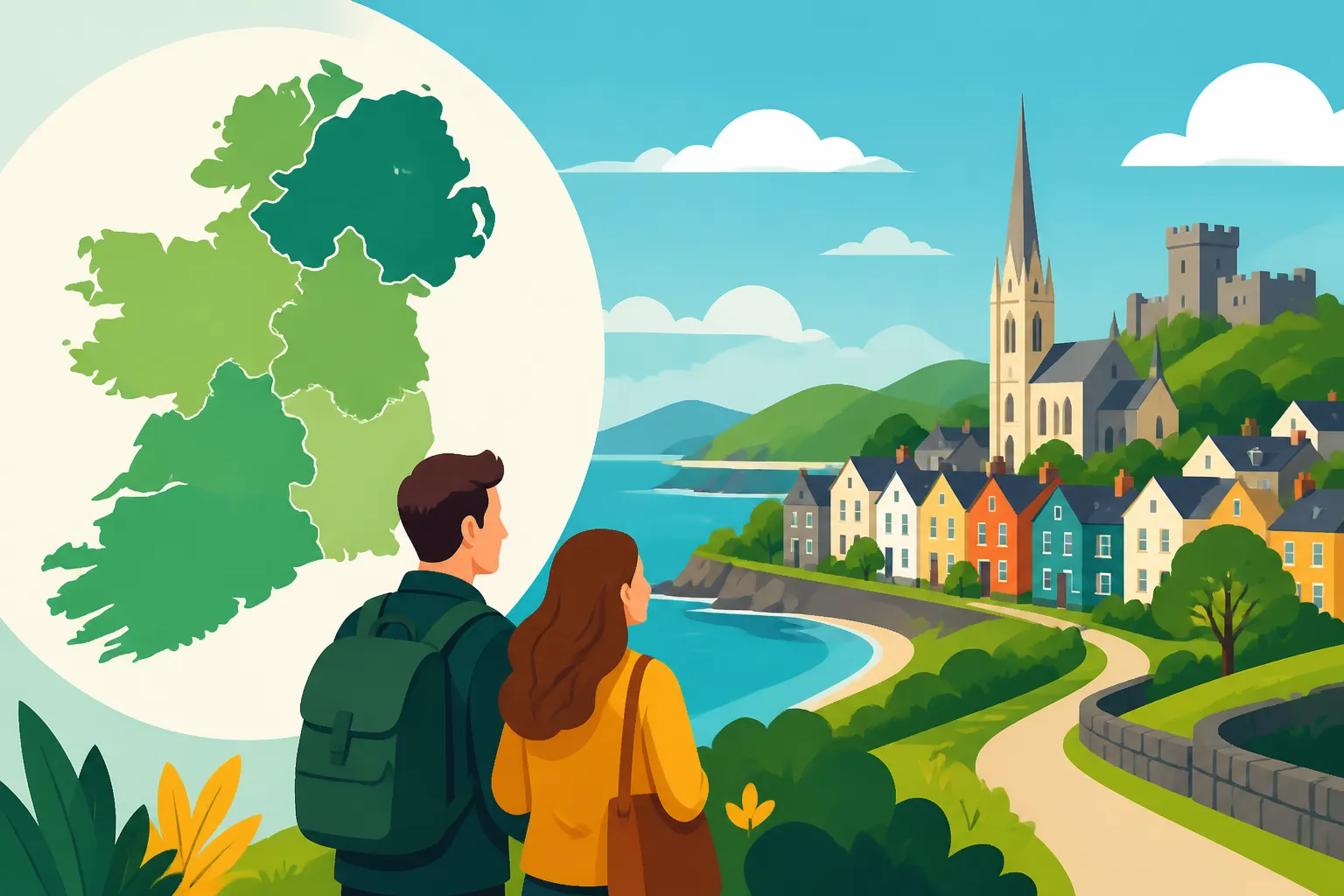
Deciding where to plant your roots in a new country can feel like trying to solve a Rubik's Cube blindfolded. Ireland, with its diverse landscapes, bustling cities, and charming towns, presents expats with a wonderful but equally overwhelming array of choices. This guide is designed to cut through the confusion, offering a realistic, expat-focused look at the best places to live in Ireland, helping you find that perfect spot that feels like home, whether you're chasing career opportunities, a quieter family life, or a vibrant cultural scene.
Understanding Ireland's Regional Nuances for Expats
When you first land in Ireland, it's easy to get swept up in the romantic notions of rolling green hills or the buzzing pub culture. But the reality of daily life, especially for an expat, varies dramatically depending on whether you choose the fast-paced east, the wild west, or somewhere in between. Each region has its own rhythm, its own set of advantages, and its own unique challenges, from housing costs to job markets and even the weather patterns you'll encounter.
The East Coast vs. The West Coast: A Lifestyle Comparison
The contrast between Ireland's east and west coasts is stark, and understanding this fundamental difference is crucial for any expat weighing their options. The East Coast, dominated by Dublin, is the economic engine of the country. It's where the vast majority of multinational companies have set up shop, particularly in tech, finance, and pharma. This means more job opportunities, higher salaries, and a much more diverse, international population. The pace of life here is quicker, reminiscent of other European capitals, with excellent public transport networks, a wider array of amenities, and a non-stop cultural calendar. However, this comes at a significant cost: housing is notoriously expensive and scarce, and traffic can be a nightmare. While you'll find stunning natural beauty just a short drive away, the immediate surroundings of Dublin are more suburban and urbanised.
Venture to the West Coast, and you step into a different Ireland entirely. Cities like Galway and Limerick, and countless charming towns along the Wild Atlantic Way, offer a slower, more community-focused lifestyle. The landscapes are more dramatic, rugged, and wild, with easy access to breathtaking beaches, mountains, and traditional Irish culture. Here, you'll find a strong emphasis on arts, music, and outdoor activities. Job markets exist, particularly in niche tech or medical device companies in Galway and Limerick, but they aren't as broad or plentiful as in Dublin. The cost of living, especially for housing, is generally lower, offering a better quality of life for those whose careers aren't tied to the capital. Public transport options dwindle significantly outside the main cities, making a car almost essential for exploring or commuting in many parts of the west. The expat community might be smaller and more integrated into local life, which can be a pro or a con depending on your preference.
North vs. South: Exploring Cultural and Economic Differences
While Ireland is a relatively small island, there are distinct differences between its northern and southern regions, even within the Republic of Ireland itself. The northern counties of the Republic, such as Donegal, Monaghan, and Cavan, often share a border with Northern Ireland, which is part of the UK. This proximity can influence culture, local dialects, and even economic ties. These areas tend to be more rural, with strong agricultural roots and a deep sense of local identity. Job opportunities are typically fewer, often concentrated in traditional industries or local services. The cost of living is among the lowest in the country, making them attractive for those seeking extreme affordability and a tranquil lifestyle, perhaps for retirement or remote work. However, amenities might be sparser, and access to international airports or large hospitals could require significant travel.
Moving south, you encounter the economic powerhouses of Cork and Limerick, and the charming "sunny South East" with cities like Waterford and Wexford. These regions boast a mix of large urban centres, bustling towns, and picturesque rural areas. Cork, in particular, has become a significant hub for pharma, medical devices, and a growing tech sector, often referred to as Ireland's "second city." Limerick is undergoing a significant regeneration, attracting investment and offering more affordable urban living. The southern counties benefit from milder climates and rich agricultural lands, producing some of the country's finest food. Here, you'll find a balance of urban amenities and easy access to stunning natural beauty, from the rugged coastlines of Kerry to the gentle hills of Tipperary. Expat communities are well-established in Cork and Limerick, though perhaps less overtly visible than in Dublin, blending more seamlessly with the local population.
Choosing between north and south, or east and west, really boils down to your priorities: career progression versus lifestyle, urban convenience versus rural serenity, and how much you're willing to spend on housing and transport. It’s not just about finding a house, it’s about finding a life that fits.
Dublin: The Bustling Capital for Career-Driven Expats
Dublin, the beating heart of Ireland, is often the first, and sometimes only, stop for many expats arriving in the country. It’s a city that buzzes with energy, opportunity, and a truly international flair. If your primary motivation for moving to Ireland is career advancement, particularly in the tech, finance, or pharmaceutical sectors, then Dublin is likely where you'll find the most concentrated array of options. However, this vibrant energy comes with a significant price tag, particularly when it comes to housing. Navigating Dublin requires a balance of ambition, patience, and a willingness to embrace its unique blend of historic charm and modern dynamism.
Dublin City Centre and Surrounding Neighbourhoods
Dublin's city centre is a kaleidoscope of activity, from the historic grandeur of Georgian squares to the buzzing pubs of Temple Bar and the high-tech offices of Silicon Docks. Living right in the heart of it all means unparalleled access to cultural attractions, world-class dining, and a nightlife that can keep you dancing till dawn. Neighbourhoods like Ballsbridge and Donnybrook offer upscale, leafy streets with beautiful period homes, diplomatic residences, and proximity to Herbert Park. These areas are typically more expensive but provide a sense of established elegance and excellent amenities.
Further out, but still within easy reach, you find a diverse range of communities. Rathmines and Ranelagh, to the south, are perennial expat favourites, known for their vibrant village feel, independent shops, excellent restaurants, and easy access to the city via the Luas (tram). They strike a good balance between urban convenience and residential charm. On the north side, areas like Drumcondra and Phibsborough have been undergoing significant regeneration, attracting a younger crowd with their independent cafes, artisan shops, and proximity to both the city centre and major transport links. Stoneybatter, with its traditional Dublin cottages and burgeoning food scene, has become particularly trendy, often feeling like a village within the city. The pros of these areas are undeniable: a plethora of job opportunities, diverse social circles, constant cultural events, and generally excellent public transport. However, the cons are equally stark: the cost of living is among the highest in Europe, the rental market is fiercely competitive, and finding affordable housing, especially anything with a garden, can be a soul-crushing endeavour. Many expats find themselves sharing accommodation or living in smaller flats than they might be accustomed to.
Imagine Sarah, a software engineer from Seattle, who moved to Dublin for a role at Google. She initially envisioned a spacious apartment but quickly learned the reality of the Dublin rental market. After weeks of frantic searching and numerous viewings, she secured a modern two-bedroom apartment in Grand Canal Dock, just a 15-minute walk from her office. While the rent felt astronomical compared to what she was used to, the convenience of walking to work, the vibrant social scene, and the sheer number of international colleagues made it worthwhile. She enjoys the easy access to the Bord Gáis Energy Theatre and the plethora of cafes, even if her budget for going out is tighter than she anticipated. She’s already exploring her options for setting up utilities (Electricity, Gas, Water) in her new place.
Dublin's Commuter Towns: Balancing Cost and Convenience
For many expats, the high cost and intense competition of living directly in Dublin city mean looking further afield. Dublin's commuter belt offers a more affordable alternative, often with a better quality of life for families, trading a longer journey for more space, better value, and a quieter environment. These towns often have their own strong communities, good schools, and local amenities, allowing you to tap into Dublin's opportunities without bearing the full brunt of its urban living costs.
Towns like Maynooth in County Kildare, Greystones in County Wicklow, Swords in North Dublin, and Naas, also in Kildare, are popular choices. Maynooth is a vibrant university town with a direct train line into Dublin city centre, offering a lively student atmosphere alongside family-friendly amenities and historic charm. Greystones, nestled on the coast of Wicklow, is often dubbed "the garden of Ireland" for its stunning scenery and boasts excellent schools, a bustling main street, and a DART (train) link to Dublin. Swords, close to Dublin Airport, offers a more suburban feel with large shopping centres, good employment opportunities in its own right, and regular bus services to the city. Naas is a thriving county town with a strong equestrian culture, good schools, and convenient motorway access to Dublin. The pros of these commuter towns include significantly more affordable housing, larger properties, a quieter and often more family-oriented environment, and generally excellent local facilities. The main con, undoubtedly, is the commute. While many have good rail or bus links, daily travel into Dublin can be time-consuming and expensive. This makes understanding The Expat Guide to Public Transport in Ireland crucial for anyone considering this option.
Consider the O'Malley family, who moved from Australia with two young children. They initially considered Dublin city but quickly realised their budget wouldn't stretch to the space they needed. After much research and a few weekend drives, they settled on Greystones. Their house is a comfortable three-bedroom, semi-detached home, offering a garden for the kids to play in, something that would be unimaginable in central Dublin. The father takes the DART into the city for work, a picturesque but lengthy 45-minute journey. The children are thriving in a local primary school, and the family has become active in community sports clubs. While the commute is a daily commitment, the peace and quiet, the coastal walks, and the strong community feel make it a trade-off they're happy to make. They've also found that their mobile connectivity is excellent, even for streaming, and they use their Airalo eSIM when travelling outside Ireland to stay connected seamlessly.
Cork: The Rebel City's Charm and Growing Opportunities
Move southwest from Dublin, and you arrive in Cork, affectionately known as "The Rebel City." It's Ireland's second-largest city, a vibrant, independent-minded hub that offers a distinctly different pace of life to the capital. While it may not have Dublin's sheer volume of multinational headquarters, Cork has carved out its own niche as a significant player in the pharmaceutical, medical device, and, increasingly, the tech sectors. For expats seeking a strong sense of community, a rich cultural scene, and a more manageable cost of living compared to Dublin, Cork presents a highly attractive alternative.
Cork City Life: Culture, Food and Community
Cork City itself is built on an island in the River Lee, giving it a unique character with bridges, waterways, and hills. Its city centre is compact and walkable, brimming with characterful streets, independent boutiques, and a legendary food scene. The English Market, a covered food market dating back to 1788, is a true highlight, a sensory feast and a cornerstone of Cork's culinary identity. Culturally, Cork punches above its weight, with a thriving music and arts scene, host to numerous festivals throughout the year, from jazz to film. The city has a palpable sense of pride and identity, with locals known for their friendly, welcoming nature.
For expats, Cork offers a compelling mix. Companies like Apple, Dell EMC, Pfizer, and Johnson & Johnson have significant operations here, providing solid employment opportunities, particularly for those in IT, engineering, and healthcare. The presence of University College Cork (UCC) contributes to a lively atmosphere and a skilled talent pool. The cost of living is generally more affordable than in Dublin, especially when it comes to renting or buying property. While still facing its own housing challenges, the market is typically less cutthroat. Public transport within the city is reliant on buses, which are decent but not as extensive as Dublin's Luas and DART network. The smaller size of the city means that it's easier to get around, fostering a strong sense of community where you're likely to bump into familiar faces. The city also has a growing expat community, which is perhaps less concentrated than Dublin's but equally welcoming.
Beyond the City: Coastal and Rural Cork for a Slower Pace
One of Cork's greatest assets is its stunning surrounding county, which offers a breathtaking variety of landscapes from rugged coastlines to gentle river valleys. For expats who dream of a slower pace, immersion in nature, or a more traditional Irish experience, the towns and villages beyond Cork City are incredibly appealing. West Cork, in particular, is renowned for its picturesque scenery, charming seaside towns, and vibrant artistic and food communities.
Towns like Kinsale, Clonakilty, and Skibbereen are immensely popular. Kinsale, a colourful harbour town, is famous for its gourmet food scene, sailing, and historic forts. It’s an affluent area that attracts tourists and residents alike, offering a sophisticated village life with stunning views. Clonakilty, a "super cute" colourful market town, has won awards for its tidiness and boasts beautiful beaches nearby, a strong community, and a relaxed atmosphere. Skibbereen, further west, is a hub for artists and craftspeople, surrounded by wild beauty and offering a genuine taste of rural Irish life. The pros of choosing these areas are abundant: unparalleled natural beauty, access to outdoor activities like hiking, surfing, and sailing, a deep sense of community, and a truly authentic Irish experience. Housing here, while still competitive in desirable spots like Kinsale, is generally more affordable than in the cities. The cons, however, are important to consider: job opportunities are significantly more limited, often confined to tourism, hospitality, or small local businesses. Reliance on a car becomes almost essential for daily life, as public transport is sparse. This can feel isolating for those accustomed to urban convenience, but for many, the trade-off for stunning scenery and a peaceful life is well worth it.
For an expat seeking a balance between a thriving career and a close connection to nature, Cork offers the best of both worlds. You could work for a tech giant in the city and live in a charming coastal town, enjoying the fresh sea air every evening. It's a place where the local butcher knows your name, but you can still access international opportunities. For those considering buying a home in Ireland, particularly outside Dublin, exploring Cork’s diverse property market might be a good place to start. You can dive deeper into the complexities of How to Buy a House in Ireland as a Foreigner: The Full Guide (2027).
Galway: The Cultural Heart of the West
Galway, nestled on Ireland's wild west coast, holds a special place in the hearts of many, both Irish and international. It’s a city that effortlessly blends bohemian charm with academic vigour, making it a magnet for artists, students, and those drawn to its unique, laid-back atmosphere. Often referred to as Ireland's "Cultural Heart," Galway offers expats a distinct alternative to the larger, more commercial cities, promising a vibrant social scene, breathtaking natural surroundings, and a strong sense of community.
Living in Galway City: Arts, Festivals and University Life
Galway City is a place where medieval history meets modern vibrancy. Its narrow, winding streets, particularly around Quay Street and the Spanish Arch, are alive with traditional music, street performers, and bustling pubs and restaurants. As a university city, home to NUI Galway, it possesses a youthful energy and an open-minded spirit. This academic influence means a diverse population, including many international students and researchers, contributing to a welcoming environment for newcomers. Galway is famous for its festivals, hosting everything from the Galway Arts Festival to the Oyster Festival, ensuring there's always something exciting happening.
For expats, living in Galway City offers a truly unique lifestyle. The job market, while smaller than Dublin or Cork, has a strong presence in medical devices (Medtronic, Boston Scientific), pharmaceuticals, and a growing tech sector. There are also opportunities in education, tourism, and arts administration. The cost of living is generally more affordable than Dublin, particularly for rent, although it's still higher than many other regional towns due to its popularity. The city is highly walkable, making it easy to navigate without a car, especially within the centre. The expat community here is well-integrated, often drawn to the city's artistic and outdoorsy vibe. You’ll find people from all corners of the globe sharing pints in a pub or hiking along the coast. The main advantages are the vibrant cultural scene, the friendly community feel, and the immediate access to some of Ireland's most spectacular scenery. On the flip side, the weather can be notoriously wet and windy, fitting for a west coast city, and during peak tourist season, the city centre can feel quite crowded. The job market, while respectable, may not offer the same breadth of opportunities as the capital.
Exploring Galway County: Connemara and Beyond
Beyond the city limits, County Galway unfolds into a landscape of unparalleled wild beauty, with the Connemara region being its crown jewel. This rugged, Irish-speaking (Gaeltacht) area is famous for its majestic mountains, sparkling loughs, peat bogs, and windswept coastlines. For expats who truly want to escape the urban sprawl and immerse themselves in the raw, natural beauty of Ireland, living in one of Galway's many towns or villages offers an incredible experience.
Towns like Oughterard, Clifden, and Kinvara offer different flavours of rural Irish life. Oughterard, the "Gateway to Connemara," is a charming village known for its fishing and scenic beauty. Clifden, often called the capital of Connemara, is a colourful market town nestled amidst dramatic landscapes, offering a range of services and a lively atmosphere. Kinvara, a picturesque coastal village, is famous for its Dunguaire Castle and a more tranquil, artistic vibe. The pros of living in these areas are obvious: stunning natural surroundings, an authentic connection to traditional Irish culture, a slower and more peaceful pace of life, and significantly more affordable housing. Opportunities for outdoor pursuits like hiking, cycling, and kayaking are right on your doorstep. However, the cons are equally important: job opportunities outside of local services or tourism are very limited, meaning many residents commute or work remotely. A car is an absolute necessity for daily errands, school runs, and general mobility, as public transport is almost non-existent. For some, the isolation and lack of diverse amenities can be challenging, but for others, it's precisely what they seek – a true escape and a chance to truly connect with the land and its people. For those who relish such a life, ensuring reliable internet access is paramount, and considering a provider for The Expat Guide to Setting Up Utilities (Electricity, Gas, Water) in Ireland including broadband, will be a priority.
Galway is a fantastic option for expats who value culture, community, and the great outdoors above all else. Whether you choose the lively city or the serene beauty of Connemara, you're guaranteed a unique Irish experience that will leave a lasting impression.
Limerick and Waterford: The Revitalised Cities of the Mid-West and South East
Beyond Dublin, Cork, and Galway, Ireland offers other fantastic cities that often get overlooked but are undergoing significant transformations. Limerick and Waterford, in particular, are shining examples of urban regeneration, offering expats a blend of affordability, strong community spirit, and growing job markets. These cities present excellent opportunities for those looking for a high quality of life without the intense competition and soaring costs of the bigger hubs.
Limerick's Renaissance: A City on the Rise
Limerick, often referred to as the "Treaty City," is shedding old perceptions and rapidly emerging as a vibrant, modern city with a deep historical soul. Strategically located in the Mid-West, with Shannon Airport just a short drive away, Limerick boasts excellent connectivity. The city centre has undergone substantial revitalisation, with new public spaces, cultural institutions, and a thriving food scene. King John's Castle, the Treaty Stone, and the Milk Market are reminders of its rich past, while its modern university, University of Limerick, injects youthful energy and innovation.
For expats, Limerick offers a compelling proposition. The job market is robust and growing, particularly in areas like aviation finance, tech (Dell, Analog Devices, Johnson & Johnson), medical devices, and cybersecurity. The presence of significant employers means good career prospects, often with salaries competitive with Cork but with a significantly lower cost of living, especially for housing. Rents are much more manageable, and buying property is considerably more affordable than in Dublin or Cork. This means your money goes further, allowing for a better quality of life. Limerick prides itself on a strong sense of community and a friendly, welcoming atmosphere. While the expat community might be smaller and more integrated than in Dublin, there are still ample opportunities to connect. The city also offers a good range of amenities, from shopping centres to sports facilities and cultural venues. The main pros include excellent affordability, a growing job market, good connectivity (including an international airport), and a palpable sense of a city on the up. The perception of Limerick being a "rough" city is outdated, and it's fast becoming a smart choice for many.
Waterford: Ireland's Oldest City with Modern Appeal
Waterford, Ireland's oldest city, founded by the Vikings in 914 AD, is a jewel in the sunny South East. It’s a city that wears its history proudly, most notably through its magnificent Viking Triangle, a compact area housing the city's key historical attractions, including Reginald's Tower and the House of Waterford Crystal. Beyond its rich heritage, Waterford is a city with a modern outlook, investing heavily in its infrastructure and cultural offerings, making it an increasingly attractive place for expats to settle.
For those considering Waterford, the quality of life is a significant draw. It consistently ranks high for affordability, particularly concerning housing. Rent and property prices are considerably lower than in the larger cities, providing excellent value. This allows expats to enjoy a higher disposable income or more spacious living arrangements. While the job market isn't as vast as Dublin or Cork, it offers opportunities in pharmaceuticals (Sanofi, Teva), medical devices, advanced manufacturing, and a growing creative sector. Waterford Institute of Technology (soon to be South East Technological University) adds to the city's intellectual capital and draws a diverse population. The city itself is compact and walkable, and it's well-connected to surrounding towns and villages by bus. Its location also means easy access to beautiful coastlines, including the stunning Copper Coast Geopark, offering ample opportunities for outdoor activities. The pros are clear: exceptional affordability, a rich historical and cultural experience, a friendly community, and a relaxed pace of life. The main challenge often lies in the breadth of the job market and fewer direct international transport links compared to the larger cities.
Both Limerick and Waterford offer compelling cases for expats looking to move to Ireland but who wish to avoid the higher costs and intense competition of Dublin. They provide a fantastic quality of life, a chance to become truly immersed in local communities, and solid career prospects in specific sectors. It's about finding that balance where your professional aspirations meet a comfortable, enriching personal life.
Other Promising Locations: Beyond the Major Cities
While Dublin, Cork, Galway, Limerick, and Waterford capture most of the expat attention, Ireland is dotted with charming towns and emerging regional hubs that offer a different, often more intimate, experience. These locations can be perfect for those seeking a stronger community feel, even greater affordability, or a lifestyle deeply intertwined with Ireland's natural beauty and slower pace. Don't limit your horizons to the well-trodden paths; some of Ireland's best-kept secrets lie just off the main motorways.
Kilkenny: Medieval Charm and Quality of Life
Kilkenny, often hailed as one of Ireland's most beautiful and vibrant regional cities, offers an exceptional quality of life for expats. Known for its stunning medieval castle, winding cobblestone streets, and a thriving arts and craft scene, Kilkenny provides a picturesque backdrop for daily life. It's small enough to feel intimate and welcoming, yet large enough to boast a wide array of amenities, excellent restaurants, and a lively cultural calendar that belies its size.
For expats, Kilkenny strikes a fantastic balance. It’s located in the South East, easily accessible from Dublin (about 90 minutes by train or car), making it feasible for some to commute or visit the capital regularly. The cost of living is considerably lower than in Dublin, with more affordable housing options, whether renting or buying. While not a tech or finance hub, Kilkenny has a solid local economy with opportunities in tourism, hospitality, education, and various local businesses. It’s particularly attractive for those who can work remotely, as its quality of life is very high. The city fosters a strong community spirit, with numerous clubs, societies, and festivals that make it easy for newcomers to integrate. Families will appreciate the good schools and safe environment. The pros of Kilkenny include its stunning aesthetics, excellent amenities for its size, strong community feel, and a generally relaxed, yet engaging, atmosphere. The main challenge is that the larger, multinational job opportunities are fewer, meaning career-focused expats might need to consider remote work or a longer commute to Dublin if their industry isn't strongly represented locally.
Counties in the Midlands and Border Region: Hidden Gems
Beyond the more prominent cities and coastal areas, Ireland's Midlands and Border regions offer a treasure trove of affordable, authentic Irish living. Counties like Laois, Offaly, Westmeath, Longford, Cavan, and Monaghan are often overlooked by expats, yet they provide a unique blend of tranquil landscapes, strong local communities, and significant economic advantages, particularly regarding cost of living.
Towns such as Athlone (Westmeath), Carlow (Carlow), Dundalk (Louth), and Drogheda (Louth) are emerging as attractive options. Athlone, strategically located in the very centre of Ireland on the River Shannon, is a lively town with a strong retail sector, a technological university, and a growing business community. It offers superb value for money in housing and a friendly atmosphere. Carlow, another university town, provides a similar mix of affordability and community, with good transport links to Dublin. Dundalk and Drogheda, situated in County Louth in the Border region, are commuter towns for Dublin, boasting much more affordable housing than the capital and increasingly robust local economies. Dundalk, in particular, has seen investment in its technology sector. The pros of these regions are undeniable: significantly lower cost of living across the board, including housing, making them ideal for budget-conscious expats or those with remote jobs. They offer a genuine slice of Irish life, often with less tourist influence, and a chance to truly integrate into local communities. Many are seeing improvements in infrastructure and amenities, and some have good connectivity for those looking to work remotely. The cons typically involve a less diverse job market, potentially longer commutes to major cities for specific industries, and fewer overtly 'expat' focused amenities. However, for those seeking peace, affordability, and authentic engagement with Irish life, these regions represent truly hidden gems.
These towns and regions often represent excellent value, especially for those considering Understanding the Irish Rental Market and the Housing Shortage (2027) outside the major urban centres. It is vital to visit these areas if you are seriously considering them, to get a true feel for the rhythm of daily life and to ensure they align with your personal and professional aspirations.
Practical Considerations for Choosing Your Irish Home
Finding the "best" place to live in Ireland isn't just about pretty scenery or vibrant nightlife. For an expat, it's a deeply practical decision interwoven with lifestyle choices, financial realities, and long-term aspirations. Before you commit to a region or a town, it's crucial to take a cold, hard look at the facts and consider how each location aligns with your personal needs and priorities. This means delving into everything from the daily cost of living to the intricacies of the local job market and the availability of essential services.
Cost of Living: Housing, Transport and Daily Expenses
Let's be brutally honest: Ireland can be an expensive place to live, and housing is often the biggest shock for newcomers. Dublin, in particular, consistently ranks among the most expensive cities in Europe. Rent for a one-bedroom apartment in the city centre can easily exceed €1,800-€2,200 per month, and even further out, you’re looking at significant costs. Cork and Galway are slightly more affordable, but still command high rents. Limerick and Waterford, on the other hand, offer considerably better value, with similar properties potentially costing €1,000-€1,400. Rural towns and the Midlands offer the most affordable housing, sometimes half the price of Dublin. It’s a stark difference that significantly impacts your overall budget.
Transport costs also vary wildly. In Dublin, a good public transport network (bus, DART, Luas) can reduce the need for a car, saving on fuel, insurance, and parking – all of which are costly. Outside the major cities, however, a car often becomes a necessity, which means factoring in significant expenses for purchase, Driving in Ireland: Licences, Registration and Rules for Expats (2027), motor tax, and soaring insurance premiums. Daily expenses like groceries, utilities, and going out are relatively consistent across Ireland, but obviously, if your rent is lower, your discretionary spending power increases. A thorough understanding of The Complete Guide to Cost of Living in Ireland for Expats (2026) will empower you to make an informed financial decision.
Job Market and Industry Focus
Your career path is likely one of the primary drivers of your relocation, so aligning your chosen location with relevant job opportunities is non-negotiable. Dublin is the undisputed hub for tech (Google, Meta, Apple), finance (numerous banks and investment firms), and professional services. If your skills lie in these areas, Dublin offers the most concentrated and diverse job market.
Cork has a strong focus on pharmaceuticals, medical devices, and a growing tech scene, with major players like Apple and Pfizer. Galway is a global centre for medical technology and a regional hub for niche tech companies. Limerick is making waves in aviation finance, cybersecurity, and advanced manufacturing. For those in healthcare, opportunities exist nationwide, but the larger cities will have more hospital and clinic options. If you're a teacher, positions might be available across the country, but competition for specific school types can be high in desirable areas. Remote work has opened up possibilities to live in more affordable or scenic locations while working for a Dublin-based or international company. However, even with remote work, consider the proximity to your team for occasional in-office days or networking events. A good starting point for your job search is always The Expat Guide to Finding a Job in Ireland (2027).
Transport, Connectivity and Essential Services
Access to reliable transport and essential services often dictates the practicalities of daily life. As discussed, Dublin's public transport system is the most comprehensive, with bus, tram (Luas), and suburban rail (DART) services. Cork has a decent bus network, but outside of these, public transport can be limited, sporadic, or non-existent, particularly in rural areas. This makes car ownership a virtual requirement for many living outside the main urban centres.
Beyond transport, consider connectivity. Fast broadband and reliable mobile coverage are crucial, especially if you plan to work remotely. While Ireland has made significant strides, rural areas can still present challenges. For newcomers, ensuring you have a working phone from day one is important. Consider an international eSIM from a provider like Airalo for instant connectivity upon arrival, allowing you to sort out local plans at your leisure. Access to healthcare is another vital consideration. While The Complete Guide to Healthcare in Ireland for Expats (2027) details the system, finding a GP can be challenging in some areas, particularly rural ones where practices may be at capacity. Consider the proximity to hospitals and specialist services, especially if you have specific medical needs.
Community, Schools and Family Life
For expats moving with families, or those looking to build a strong social network, community and local amenities are paramount. Dublin, Cork, and Galway have well-established expat communities, making it easier to connect with others who understand the unique challenges of settling in a new country. These cities also offer a wider variety of social groups, international schools (though few), and diverse cultural activities.
If you have children, researching local schools is essential. Ireland has an excellent education system, but places can be competitive in certain areas, particularly for popular schools. Considerations like proximity to playgrounds, sports clubs, and family-friendly activities will weigh heavily. Places like Greystones in Wicklow or areas around Cork City are often highlighted for their family-friendly environments. Understanding the specifics of Schools and Education in Ireland: A Complete Guide for Expat Families will be invaluable. Also, for families, finding suitable and stable accommodation is a huge concern, so knowing Understanding the Irish Rental Market and the Housing Shortage (2027) helps manage expectations.
Healthcare Access and Quality
Healthcare is a fundamental aspect of life that every expat must consider carefully. While Ireland operates a two-tier public and private healthcare system, access to services can vary regionally. In larger cities like Dublin and Cork, you'll find a greater concentration of hospitals, specialist clinics, and General Practitioners (GPs). However, even in urban areas, getting registered with a GP can sometimes be a challenge due to practices being at capacity. In more rural settings, GP availability can be even more limited, and travel to a larger town for certain medical services might be necessary.
It's vital to research the local healthcare infrastructure of any area you're considering. Are there ample GP practices accepting new patients? What hospitals are nearby, and what services do they offer? For families, access to paediatric services is a key concern. Understanding the process of Registering with a GP in Ireland: The Complete Expat Guide (2027) is one of the very first tasks you'll undertake upon arrival, regardless of where you choose to live. While public healthcare is available to all residents, many expats opt for private health insurance to bypass potential public waiting lists and access a wider range of services. This is a crucial area to investigate thoroughly, as your peace of mind regarding health can heavily influence your overall experience of living in Ireland.
Relocation Logistics: Making the Move Smoother
Once you've narrowed down your ideal location in Ireland, the next hurdle is the actual move. Relocation is a complex process with many moving parts, from securing accommodation to physically transporting your belongings across borders. While the excitement of a new beginning is palpable, overlooking the practical logistics can quickly turn your dream move into a logistical nightmare. Planning ahead and leveraging the right resources can significantly smooth your transition.
Finding Accommodation and Understanding the Rental Market
Finding accommodation in Ireland, particularly in popular urban centres, is arguably one of the biggest challenges expats face. The rental market is competitive, fast-moving, and often frustrating. Landlords and letting agents typically require extensive documentation, including references from previous landlords, proof of income, and sometimes even a Personal Public Service (PPS) Number, which you might not have immediately upon arrival. This can create a Catch-22 situation.
It's highly recommended to begin your search well in advance, even before you arrive in Ireland, although many landlords prefer in-person viewings. Websites like Daft.ie and MyHome.ie are the primary portals for rental listings. Be prepared to act quickly; desirable properties can be rented within hours of being listed. For new arrivals, short-term accommodation (Airbnb, temporary serviced apartments) might be a necessary first step to allow you time to search for a long-term rental once you're on the ground. Familiarise yourself with your rights and responsibilities as a tenant under the Residential Tenancies Board (RTB), and always insist on a written tenancy agreement. For a deep dive into this crucial topic, consult The Complete Guide to Renting a Home in Ireland (2027), which covers everything from signing contracts to deposits. The rental market can be a brutal introduction to Irish life, but armed with knowledge and realistic expectations, you can navigate it successfully.
Moving Your Belongings: Shipping and Settling In
Once you've found your new home, the next practical step is getting your worldly possessions there. Deciding how much to bring, whether to use professional movers, or handle it yourself, depends on your budget, the volume of your belongings, and your point of origin. For international moves, particularly from outside Europe, professional international moving companies are often the most practical solution, handling customs declarations, packing, and shipping.
However, choosing a reliable and reputable mover is crucial. This is where services like Sirelo can be incredibly useful. They allow you to compare quotes from multiple international moving companies, read reviews, and get a clear understanding of costs and services. This helps you avoid hidden fees and ensures your belongings are in safe hands. Remember to factor in insurance for your move. Once your belongings arrive, the real fun of settling in begins: setting up utilities, registering with local services, and making your new house feel like a home. This often involves connecting with local service providers for electricity, gas, and waste collection. Don't underestimate the time and effort required for this phase. A comprehensive resource like The Complete Guide to Moving to Ireland: Your First 90 Days (2027) offers invaluable checklists and advice to guide you through the initial settling-in period. This initial period, while challenging, is also incredibly rewarding as you watch your new life in Ireland take shape.
Conclusion: Making Your Decision
Deciding on the "best" place to live in Ireland as an expat is a deeply personal journey, shaped by your unique priorities, career goals, family needs, and lifestyle preferences. There's no single perfect answer, but rather a perfect fit for you. Whether you're drawn to the electric buzz of Dublin, the cultural charm of Cork or Galway, the revitalised appeal of Limerick and Waterford, or the serene beauty of a rural town, Ireland offers a diverse tapestry of living experiences.
Take the time to research thoroughly, weighing the pros and cons of each region against your personal checklist. Consider visiting potential areas if possible – a weekend trip can reveal more than countless hours of online research. Speak to other expats who have made the move, as their lived experiences can offer invaluable insights into the daily realities. Ultimately, the best place for you will be where you feel most at home, where your professional ambitions can flourish, and where you can build a fulfilling life in this truly incredible country.
Disclaimer
Please note that the information provided in this guide is for general informational purposes only and does not constitute professional advice. While we strive to ensure accuracy, details such as prices, regulations, and availability of services can change rapidly. Expats should always conduct their own thorough research and seek independent advice from relevant professionals (e.g., immigration consultants, financial advisors, real estate agents) before making any significant relocation decisions. We cannot be held responsible for any inaccuracies or omissions.