How Do I Get an Irish Driving Licence?
Ah, the Irish driving licence! It's one of those milestones for any expat here that can feel like climbing a particularly muddy mountain – frustrating, slow, but ultimately essential for true independence. You've just arrived, or perhaps you've been here a little while, trying to figure out if your current licence is worth the plastic it's printed on in the eyes of the National Driver Licence Service (NDLS). Don't worry, you're not alone in feeling utterly bewildered by the process. This comprehensive guide is here to walk you through every bend and roundabout, helping you understand exactly how to secure your very own Irish driving licence.
Understanding Your Eligibility and Initial Steps
First things first, let's figure out where you stand with your current driving qualifications. Ireland has specific rules about foreign licences, and understanding these upfront will save you a world of headaches and potential fines. This isn't just about driving; it's about being able to freely explore the Wild Atlantic Way or even just pop down to the shops without relying on public transport, which, let's be honest, can be… quaint outside of the major cities.
Driving on Your Existing Foreign Licence
When you first land in Ireland, there's a grace period. For up to 12 months, you can generally drive on your existing foreign licence, provided it's valid and in good standing. This applies to most non-EU/EEA licences as well. This 12-month period starts from the first day you become "ordinarily resident" in Ireland. Don't mistake it for 12 months from when your visa starts, or from when you actually start driving. It's about your residency.
Now, this is absolutely crucial: that 12-month rule is a hard deadline. Once those 365 days are up, your foreign licence is no longer valid for driving in Ireland. If you get pulled over and you're past that mark without having taken steps towards an Irish licence, you'll be treated as if you're driving without a licence at all. That's a serious offence, risking penalty points, fines, and even vehicle impoundment. Believe me, you do not want to experience the Irish justice system for something so easily avoidable. For more on the rules, check out our guide on Driving in Ireland: Licences, Registration and Rules for Expats (2027).
The National Driver Licence Service NDLS
Your primary point of contact for anything related to getting an Irish driving licence will be the National Driver Licence Service, or NDLS. They are the official body responsible for issuing and renewing all driving licences and learner permits in Ireland. You can't just go to your local Garda station for this; it's all handled by the NDLS.
Their website, NDLS.ie, is a critical resource. It's where you'll find application forms, information on required documents, and crucially, where you'll book appointments to submit your application. In the modern age, while many initial steps can be done online, you will almost certainly need to visit an NDLS centre in person at some point. These centres are located across the country, so you’ll need to find the one most convenient to you, whether that's in Dublin city, a regional town like Limerick, or a smaller centre in a rural county. Be prepared for queues, especially in peak times or popular urban locations. The NDLS system, while digitalised, still has its moments of old-school Irish charm where patience is your best virtue.
Exchanging Your Foreign Driving Licence
If you're lucky enough to hold a driving licence from certain countries, you might be able to simply exchange it for an Irish one without having to go through the full testing process. This is the dream scenario for many expats, saving a significant amount of time, money, and stress.
Who Can Exchange and What You Need
The good news is that licences from all EU/EEA member states are fully exchangeable. This means if you're from Germany, France, Sweden, or any other country within the European Union or European Economic Area, you can swap your licence for an Irish one with relative ease.
Beyond the EU/EEA, Ireland also has agreements with a list of "recognised states" that allow for a direct exchange. These include countries like Australia, Canada (some provinces), Japan, New Zealand, South Africa, South Korea, Switzerland, the United Kingdom, and the USA (some states). It's really important to verify if your specific Canadian province or US state has an agreement with Ireland. The NDLS website has an up-to-date list, and I highly recommend double-checking, as these agreements can sometimes change. Our article, How to Exchange a Foreign Driving Licence in Ireland, delves into this in more detail.
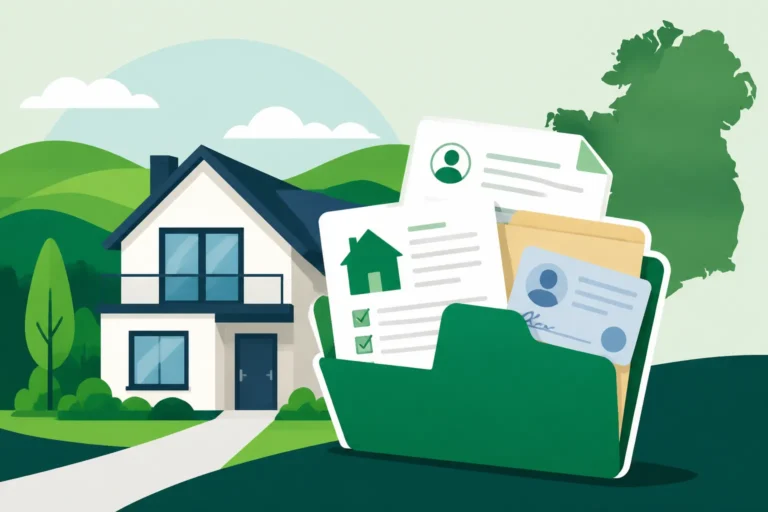
When it comes to documentation, Ireland is very particular, so gather everything well in advance:
- Your current, valid foreign driving licence: This is non-negotiable, and it must not be expired.
- Proof of your Personal Public Service (PPS) Number: This is your unique identifier for public services in Ireland, like tax and social welfare. Without it, you can't get an Irish licence. If you're still getting sorted with your initial move, our guide on The Complete Guide to Moving to Ireland: Your First 90 Days (2027) might have some useful tips on getting your PPSN sorted.
- Proof of your address in Ireland: Think utility bills, bank statements, or official government letters, all dated within the last six months.
- Medical Report (if applicable): If you have certain medical conditions or are over a certain age (currently 70), you'll need a medical report form filled out by an Irish registered GP. Don't just assume you don't need one; check the NDLS website's guidelines carefully based on your age and health.
- Eyesight Report: You'll need to pass an eyesight test, which can be done at the NDLS centre or provided by an optician.
- Completed Driving Licence Application Form: This can be filled out online beforehand.
- Application Fee: There's a fee for the licence, which varies depending on the duration you're applying for (e.g., 10 years for standard drivers).
I know, it sounds like a lot of paperwork. That's just how things roll here in Ireland! Make sure you keep digital copies of all your documents, especially if you're still settling in. Services that help you organise your entire relocation, like Sirelo, can be a godsend in ensuring all your vital documents – from your passport to your old driving licence – are accounted for and ready to go when you need them for processes like this.
The Application Process for Exchange
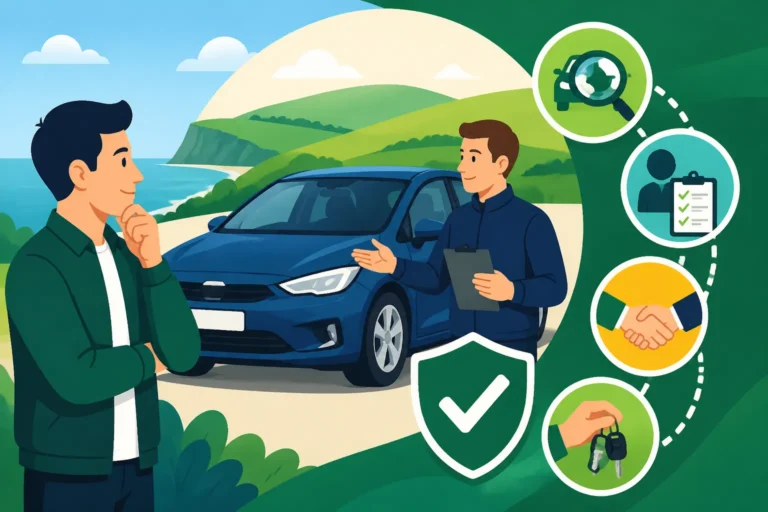
Once you have all your documents in hand, the process for exchanging your licence typically follows these steps:
- Fill out the online application form: Head to NDLS.ie and complete the relevant application form for exchanging your licence. You'll need to specify the categories of vehicles you're licensed to drive.
- Book an appointment: NDLS centres operate on an appointment-only basis. You book this through their website. Pick a time and location that suits you. In popular areas like Dublin city centre, appointments can be scarce, so book as far in advance as possible.
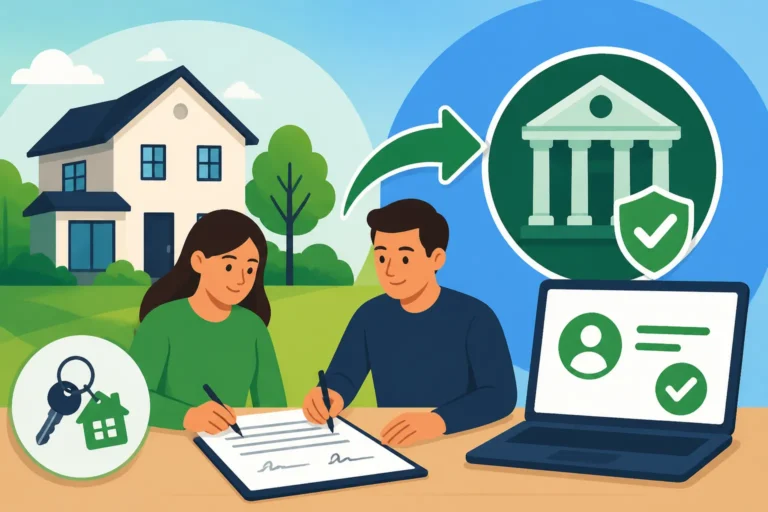
- Attend your appointment: This is where you bring all your original documents. An NDLS agent will verify everything, take your photo, capture your digital signature, and process your payment. They will also typically take your foreign licence from you at this stage, so be prepared to hand it over. They usually give you a temporary paper permit to cover you until your new card arrives.
- Receive your new licence: Your shiny new Irish driving licence will be posted to your registered address. This usually takes 5-10 working days, but during busy periods, it can be a little longer.
Remember, accuracy is key here. Any discrepancies in your name, address, or other details could cause delays or even rejection. Always double-check everything before submitting.
The Learner Permit Route for Non-Exchangeable Licences
If your licence isn't from an EU/EEA country or one of the recognised states, or if you've simply let that 12-month grace period lapse, then you're starting from square one. This means going through the full process to get an Irish learner permit, and eventually, a full Irish driving licence. It's a journey, not a sprint, but completely achievable.
Applying for Your Learner Permit
The first hurdle in this route is the Driver Theory Test (DTT). This isn't a test you can just wing; it requires dedicated study. The DTT assesses your knowledge of road safety, rules of the road, and traffic signs. There are official study materials and apps available that I strongly recommend you use. You can book your DTT online, and there are test centres around the country. Once you pass, you'll receive a Driver Theory Test Certificate, which is essential for your learner permit application.
Once you have that DTT certificate, you can apply for your first learner permit. The documents you'll need are similar to the exchange process, but with the added DTT certificate:
- Your Driver Theory Test Certificate.
- Proof of your PPS Number.
- Proof of your address in Ireland.
- Eyesight Report.
- Medical Report (if required, same conditions as above).
- Completed Driving Licence Application Form.
- Application Fee.
Again, you'll complete the application form online, book an appointment at an NDLS centre, present your documents, have your photo and signature taken, and pay the fee. Your learner permit will then be posted to you. This permit is valid for two years.
The Learning Phase: Lessons and Practice
With your shiny new learner permit in hand, you're ready to hit the road – but with very strict conditions! In Ireland, all new drivers (unless they're exchanging a foreign licence) must complete a mandatory program called Essential Driver Training (EDT). This consists of 12 one-hour lessons with an Approved Driving Instructor (ADI). Each lesson has specific learning outcomes, and your ADI will record your progress in a logbook. This isn't just a tick-box exercise; these lessons are designed to build fundamental driving skills and ensure you're a safe driver on Irish roads.
Beyond the formal EDT lessons, private practice is absolutely vital. You can only drive while holding a learner permit if:
- You display L-plates prominently on the front and back of the vehicle.
- You are accompanied by a person who has held a full Irish driving licence for at least two years in the same category (e.g., if you're learning to drive a car, they need a full car licence).
- You are not allowed to drive on motorways. This is a very important rule, as motorways can be intimidating for new drivers.
Finding a good ADI is key. Ask for recommendations from other expats or Irish friends. Expect to pay for lessons, typically ranging from €40-€60 per hour. When you're constantly on the go for lessons and practicing, staying connected is crucial. Whether it's for using GPS during practice drives, rescheduling lessons with your ADI, or looking up driving regulations on the fly, reliable mobile data is a must. An eSIM from a provider like Airalo can be incredibly convenient for this, ensuring you always have connectivity without having to worry about physical SIM cards or expensive roaming charges.
Taking the Practical Driving Test
Once you've completed your 12 EDT lessons and feel confident in your driving ability (and ideally, have had plenty of private practice), you can apply for your practical driving test. Be warned: the waiting lists for driving tests in Ireland, especially in busy urban areas, can be incredibly long. I've heard stories of people waiting six months to a year or more. Book your test as far in advance as possible! You can book online through the Road Safety Authority (RSA) website.
The driving test itself typically lasts around 30-45 minutes. The tester will assess your ability to drive safely and competently in various traffic situations. This includes vehicle controls, road positioning, observation, signalling, and adherence to the rules of the road. You'll also be asked to perform a number of manoeuvres, such as a reverse around a corner, a turnabout, and possibly a hill start.
If you pass, congratulations! You'll receive a Certificate of Competency, which you then bring to the NDLS to apply for your full Irish driving licence. If you fail, don't despair; it happens to many. The tester will give you feedback on areas where you need to improve. You'll then need to re-book your test, which means more waiting and more practice. The costs associated with learning to drive and taking tests can add up, so it’s good to have a clear picture of the overall Cost of Living in Ireland: A Complete Breakdown for Foreigners (2026) to manage your budget.
Navigating Common Hurdles and Local Specifics
Even after understanding the processes, there are specific quirks and challenges expats often face when getting an Irish driving licence. It's not always smooth sailing, and knowing what to expect can ease the frustration.
The Dreaded Waiting Times and Booking System
I cannot stress this enough: waiting times are a major issue. Whether it's for the Driver Theory Test, an NDLS appointment, or especially the practical driving test, you will likely encounter significant delays. This is particularly true in urban centres like Dublin, Cork, and Galway, where demand far outstrips supply of testing slots.
My advice? Book everything as far in advance as humanly possible. Don't wait until your 12-month grace period is almost up to start the process. For driving tests, consistently check the RSA booking portal for cancellations. People often cancel last minute, and if you're quick, you might snag an earlier slot. But be ready to drop everything and go! This often requires constant vigilance and a mobile data plan that won't let you down, like one you'd get through Airalo, so you can check and book on the go.
Insurance Implications for New Drivers and Foreigners
Once you have your Irish licence, you'll need car insurance if you plan to drive. This is another area where expats often get a shock. Insurance premiums in Ireland can be notoriously high, especially for new drivers or those with no prior "no claims bonus" history recognisable by Irish insurers.
Most Irish insurance companies (like Liberty Insurance, AXA, or FBD) will consider you a new driver even if you've held a licence for decades abroad, unless you can provide a detailed, translated, and verifiable letter from your previous insurer outlining your claims history. Even then, they might only grant you a partial discount. Expect to pay a hefty premium for your first year or two. Shop around extensively and get quotes from multiple providers. It's a competitive market, but it’s still expensive. You might want to read How Much Is Car Insurance in Ireland? for more detailed information.
Vehicle Registration and Road Tax
Getting your driving licence is just one piece of the puzzle. If you plan to own a car, you'll also need to consider vehicle registration, motor tax, and the National Car Test (NCT). Every vehicle on Irish roads must be registered with Revenue and pay annual motor tax. Additionally, cars over a certain age must undergo the NCT, a mandatory roadworthiness inspection.
These are separate administrative processes, each with its own forms, fees, and potential delays. The good news is you can usually tackle these concurrently or immediately after getting your licence. Understanding How to Buy a Car as a Newcomer in Ireland will give you a leg up, and our guides on How to Register and Tax a Vehicle in Ireland and Understanding the NCT Vehicle Test and Motor Tax in Ireland are essential reading for any aspiring car owner here.
Here’s a quick overview of the two main paths to an Irish driving licence:
| Feature | Licence Exchange Route | Learner Permit Route (New Driver) |
|---|---|---|
| Eligibility | EU/EEA licences, or licences from specific 'recognised states' (e.g., UK, Australia, certain US states). Must be within 12 months of becoming ordinarily resident for non-EU/EEA. | All other foreign licences, or if you've exceeded the 12-month grace period, or if you're a new driver. |
| Key Steps | Online application, NDLS appointment, document verification, photo/signature, surrender foreign licence. | Driver Theory Test (DTT), Learner Permit application (NDLS), Essential Driver Training (EDT) lessons (12 mandatory), private practice, Practical Driving Test, Full Licence application (NDLS). |
| Required Documents | Foreign Licence, PPSN, Proof of Address, Medical/Eyesight Report (if applicable), Fee. | DTT Certificate, PPSN, Proof of Address, Medical/Eyesight Report (if applicable), Fee. |
| Estimated Timeframe | Typically 2-4 weeks from appointment to receiving new licence. | Highly variable, often 6-18 months (or longer) due to DTT, EDT, and practical test waiting times. |
| Estimated Cost (NDLS) | ~€55 (for a 10-year licence) | DTT: ~€45, Learner Permit: ~€35, EDT Lessons: ~€500-€700+, Practical Test: ~€85, Full Licence: ~€55. Total can easily exceed €700-€1000+. |
| Pros | Quicker, simpler, generally cheaper, no re-testing required. | Learn to drive according to Irish standards, potentially makes you a safer local driver. |
| Cons | Only for specific countries/states. Must act within 12 months for non-EU/EEA. | Long waiting times, significantly more expensive, steep learning curve (even for experienced drivers from some countries). |
Navigating the waters of getting an Irish driving licence can feel like a bureaucracy marathon, but it's an important step toward truly settling in and feeling at home here. Take it one step at a time, gather your documents methodically, and be patient with the process. You'll get there!
Disclaimer
The information provided in this guide is for general informational purposes only and does not constitute legal, financial, or professional advice. While we strive to provide up-to-date and accurate information, regulations and procedures in Ireland can change. Always consult official government websites (such as NDLS.ie and RSA.ie) or seek advice from qualified professionals for specific guidance related to your individual circumstances.