How Do I Open a Bank Account When I Move to Ireland?
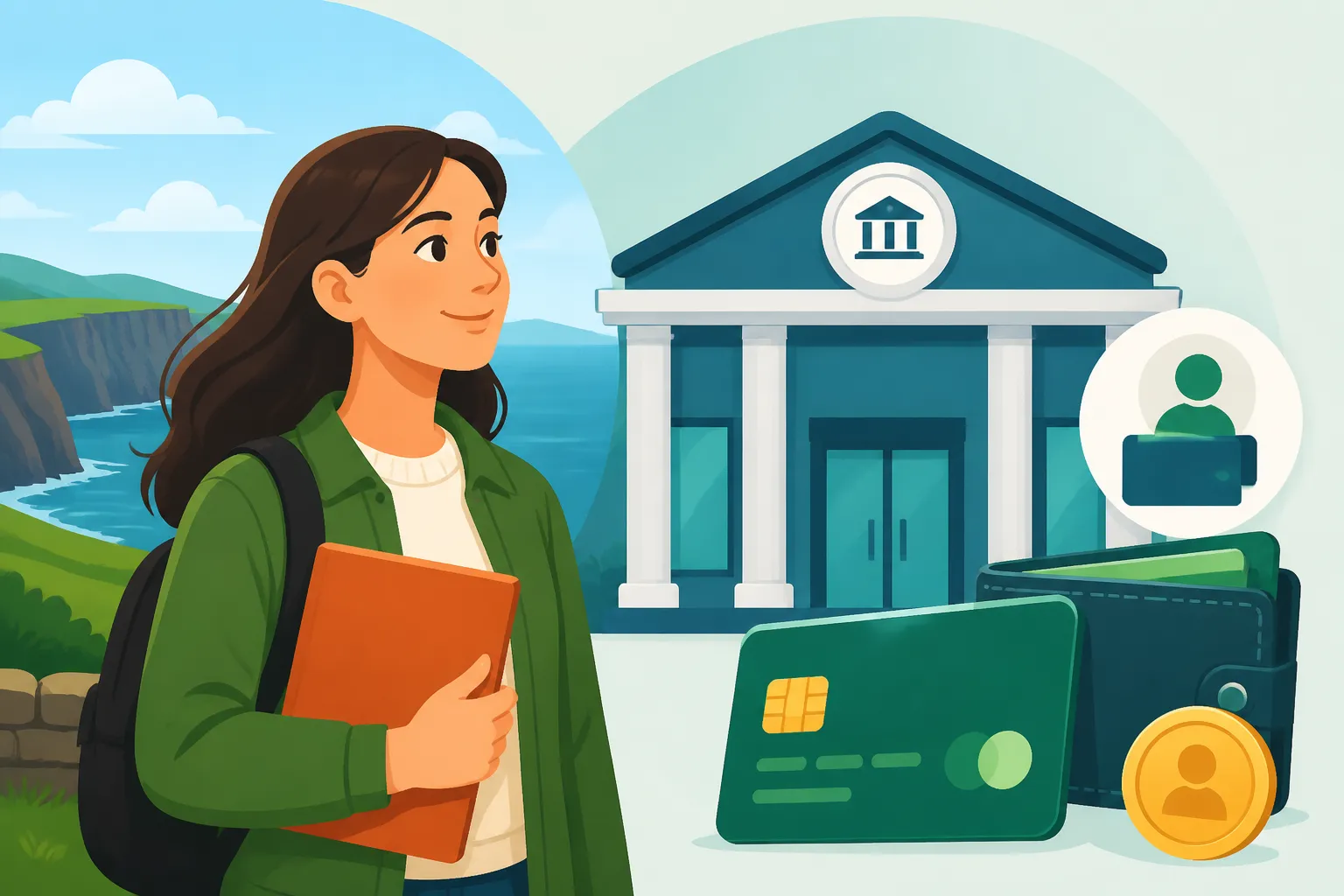
One of the first, and often most frustrating, hurdles you’ll face when you first land in Ireland is getting a basic bank account. It’s a classic Catch-22: you need a bank account for everything, from getting paid to setting up utilities, but you often need proof of address and a PPS number to open one, which are difficult to secure without a bank account! This guide will walk you through the real-world challenges and practical solutions for opening a bank account as a newcomer, sharing insights from years of living through it myself.
The Initial Hurdle: Why Opening a Bank Account in Ireland Can Feel Like a Saga
Believe me, I've been there. You arrive, full of excitement, ready to embrace the Emerald Isle, only to be met with bureaucratic brick walls when it comes to something as fundamental as a bank account. It feels like every door you try to open requires a key you don't yet possess. This isn't just an Irish thing, but the specifics here can be particularly vexing for expats.
Understanding the "Catch-22" of Proof of Address
This is the big one. To open a bank account with most traditional Irish banks, you're going to need solid proof of your Irish address. Sounds simple, right? Wrong. How are you supposed to get a utility bill or a government letter addressed to you if you've just arrived and haven't even secured long-term accommodation? Many new arrivals are in temporary housing, perhaps an Airbnb, a hostel, or staying with friends, none of which usually provide official documentation for proof of address.
Imagine this scenario: You’ve just landed in Dublin, found a temporary room in a house share, and your new employer needs your bank details for your first paycheque. You head to AIB or Bank of Ireland, feeling prepared with your passport and perhaps your new job contract. But then the bank official, with a polite smile, asks for a utility bill or a letter from Revenue to prove your address. Your temporary accommodation doesn't issue utility bills in your name, and you haven't received anything from Revenue yet because, well, you don't have a PPS number or a registered address! It’s a frustrating loop, and many expats feel like they're being asked to pull a rabbit out of a hat. This is why having a strategy, or at least being aware of this challenge, is crucial from day one.
The Importance of a PPS Number
Alongside proof of address, your Personal Public Service (PPS) number is almost universally required by Irish banks. This unique reference number is issued by the Department of Social Protection and is essential for interacting with public services, paying taxes, and, you guessed it, banking. Without a PPS number, many banks simply won't proceed with your application.
Getting your PPS number is usually one of the very first things you need to do when you arrive in Ireland, often even before you start thinking about banking. You'll typically need to prove your identity and your reason for needing the number (usually employment). You can find a comprehensive guide on How to Register for Tax and Get a PPS Number in Ireland to help you navigate this. The PPSN acts as a central identifier for you in the Irish system, so it's not just a banking requirement; it's fundamental to your life here.
Traditional Banks: What You'll Need and How to Approach Them
When you're ready to tackle the traditional banking giants, knowing exactly what to bring and how the process works can save you a lot of grief. Irish banks are generally quite risk-averse, so they will be thorough.
Essential Documents for Your Application
The key to a successful traditional bank application lies in meticulous preparation. Here’s a breakdown of what you'll typically need, and some tips on acceptable forms of these documents:
- Proof of Identity: This is usually straightforward. Your valid passport is the gold standard. If you're an EU/EEA citizen, a national identity card might also suffice. Ensure it’s current and not expired. The bank will need to take a copy of it, and sometimes they'll even want to see your visa or immigration stamp if you're a non-EEA national.
- Proof of Address: Ah, the tricky one! Banks want something official with your name and current Irish address on it. Ideal documents include:
- A utility bill (electricity, gas, internet – but often these aren't in your name initially).
- A government letter, such as one from Revenue (once you've registered your PPSN and potentially started work) or a letter from the Department of Social Protection.
- A tenancy agreement registered with the Residential Tenancies Board (RTB). This is a strong option if you've managed to secure long-term rental accommodation and your landlord is compliant.
- A letter from your employer, on company letterhead, stating your employment and confirming your Irish residential address. This can be a lifesaver for many expats.
- A letter from your university if you’re a student, confirming your enrollment and residential address.
- PPS Number: As mentioned, your PPSN is vital. You’ll need to provide the physical letter from the Department of Social Protection confirming your PPSN, or a payslip showing your PPSN.
- Proof of Employment or Student Status: A recent payslip, an employment contract, or a letter from your employer confirming your start date and salary is often required. For students, your university acceptance letter and proof of registration will be needed.
The key here is to gather as many of these documents as possible. The more evidence you can provide, the smoother the process will be. For a detailed look at what documents Irish banks expect, you might find this guide helpful: What Documents Do I Need to Open a Bank Account in Ireland?.
Here’s a quick summary table of the documents for traditional banks:
| Document Type | Acceptable Forms (Examples) | Notes |
|---|---|---|
| Proof of Identity | Valid Passport, National Identity Card (for EU/EEA citizens) | Must be current, not expired. Some banks may require your visa/immigration stamp if applicable. |
| Proof of Address | Utility Bill (electricity, gas, internet), Government Letter (Revenue, DSP), Tenancy Agreement (RTB), Employer Letter (on letterhead), University Letter (on letterhead) | This is often the trickiest. Ensure the document is recent (typically within the last 3-6 months) and clearly shows your name and Irish address. An employer or university letter is often the easiest for new arrivals. |
| PPS Number | Official letter from Department of Social Protection confirming PPSN, Payslip showing PPSN | The physical letter is often preferred, proving it's an officially issued document. |
| Proof of Purpose | Employment Contract, Recent Payslip, University Acceptance Letter, Letter from Employer/University | Demonstrates your legitimate reason for residing in Ireland and requiring banking services. |
The Application Process: In-Branch vs. Online
While some banks are moving towards more digital processes, for newcomers, an in-branch visit is almost always the recommended first step. It allows you to speak directly with a representative, explain your unique situation (especially if you're struggling with proof of address), and hand over your original documents.
In-Branch Application:
You'll typically need to schedule an appointment. Don't just show up expecting to be seen; the branch staff will appreciate you booking ahead. When you go in, be prepared for a thorough interview. The bank staff will verify your documents, explain different account types (usually a current account, perhaps linked to a savings account), and walk you through the process. This face-to-face interaction can be invaluable, particularly if your documentation isn't perfectly standard for a long-term resident. Banks like AIB and Bank of Ireland are the most common choices, and you can learn more about them here: Can Foreigners Open an AIB or Bank of Ireland Account?. Permanent TSB is another popular option. While KBC and Ulster Bank have exited the Irish market, An Post Money offers basic current accounts and is another option, though it's less of a full-service bank.
Online Application:
Some banks offer online applications, but these are generally more suited for existing customers or those with a well-established credit history and easily verifiable documentation within Ireland. As a new arrival, your chances of success with an online application from scratch are slim due to the stringent proof of address and identity requirements that are harder to verify remotely. You might get stuck in a frustrating loop of uploading documents that aren't deemed sufficient. Save yourself the headache and go in person if you can.
Digital Banking Alternatives: A Quicker Path for Expats
Let's be realistic: getting a traditional bank account set up might take a few weeks, especially if you're still piecing together your documentation. For many expats, you need a way to access funds and get paid now. This is where digital-first banking solutions, often called neobanks, shine.
Embracing Neobanks for Initial Setup
Neobanks like Revolut and N26 have become absolute game-changers for expats in Ireland. They offer a much faster, less bureaucratic way to get an account set up, often within minutes, right from your smartphone.
The biggest advantage of these platforms is their flexibility regarding proof of address. While they still require identity verification (usually a quick photo ID and a selfie), their address requirements are often less stringent than traditional banks. You might be able to use a temporary address, or they may verify your address through your phone's GPS or by simply sending a card to an address you provide (though this varies by provider and your specific situation). This makes them incredibly useful for receiving your first paycheques or having a place to transfer money to while you sort out your traditional banking. You can delve deeper into these options in our guide on How to Use Revolut, N26 and Digital Banks in Ireland. Many expats use these as their primary account initially, only transitioning to a traditional bank once they're fully settled.
Transferring Money to Ireland and Early Financial Management
Another significant benefit of digital banks is how easily they integrate with international money transfer services. When you're just moving, you'll likely need to transfer funds from your home country to Ireland. Services like Wise (formerly TransferWise) are perfectly designed for this. You can link your home bank account to Wise, transfer money to your new Revolut or N26 account in Ireland, and benefit from competitive exchange rates and low fees. This means you have immediate access to your funds in Euros, without waiting for a traditional Irish bank account to be fully functional.
These digital accounts are also excellent for everyday spending with their debit cards, often allowing you to hold multiple currencies and manage your budget effectively. For early financial management, especially as you navigate the initial setup costs and deposits, having a fluid and accessible digital bank account can reduce a huge amount of stress. It’s a practical bridge to full financial integration in Ireland.
Navigating Common Roadblocks and Expat Tips
Moving to a new country is full of unexpected challenges, and banking is definitely one of them. Here are some seasoned expat tips to help you smooth out the process.
What to Do If You Don't Have Traditional Proof of Address
This is the hurdle that trips up most newcomers. If you genuinely don't have a utility bill or government letter in your name, don't despair! Here are some strategies:
- Employer Letter: As mentioned, a formal letter from your employer on company letterhead, confirming your employment and current Irish residential address, is often accepted by traditional banks. This is your strongest alternative if you have a job offer lined up.
- Letter from Accommodation Provider: If you are in long-term accommodation (even a house share), ask your landlord or the main tenant (if they have the authority) to write a letter confirming you reside there. While not always accepted by all banks, it's worth trying, especially if accompanied by a copy of their utility bill.
- Temporary Solutions: For immediate needs, a digital bank like Revolut or N26 is your best friend. They can get you up and running with an Irish IBAN much faster. Use this as your holding account until you gather the necessary documents for a traditional bank.
- Register Your PPSN First: Focus on getting your PPSN as soon as possible. Once you start receiving official correspondence from the Department of Social Protection or Revenue, these letters can serve as proof of address. This guide on How to Register for Tax and Get a PPS Number in Ireland is a good starting point.
- Seek Local Advice: Don't hesitate to ask your employer, university, or expat groups for advice. Many have been through this and can share current insights on which bank branches might be more flexible or which documents worked for them.
Dealing with Different Types of Accounts and Services
Once you've cleared the initial hurdle, you'll generally be opening a current account. This is your day-to-day account for receiving wages, paying bills, and making purchases with a debit card. Most banks will also offer a linked savings account, which is useful for setting aside money.
Setting up direct debits is crucial for managing your bills, especially utilities. Once your account is active, you can instruct your bank to automatically pay regular bills like rent, electricity, gas, and internet. This is much easier and more common than manual payments for recurring charges. For more on setting up utilities, check out The Expat Guide to Setting Up Utilities Electricity, Gas, Water in Ireland. Knowing how to set up these automatic payments is a must for seamless living in Ireland, and you can learn more here: How Do I Set Up Direct Debits at an Irish Bank?.
Planning for Long-Term Financial Integration
While digital banks are fantastic for immediate needs, for long-term financial stability in Ireland, it's highly recommended to eventually open an account with a traditional Irish bank. These banks often offer services that neobanks don't, such as:
- Mortgages: If you dream of buying property in Ireland, a traditional bank relationship is almost always essential.
- Credit Cards: Building a credit history in Ireland usually requires a traditional bank credit card. This is vital for future loans or mortgages. Learn more about applying for credit cards here: How Do I Apply for a Credit Card at an Irish Bank?.
- Complex Financial Products: For investments, more sophisticated savings options, or even business banking, traditional banks generally offer a wider range of services.
- Trust and Recognition: For certain official processes or larger transactions, a traditional bank account is often seen as more 'official' and universally accepted.
Your financial life in Ireland goes beyond just receiving your salary. It involves understanding The Complete Guide to Taxes in Ireland for Expats (2027), managing savings, and planning for your future. Services like Taxes for Expats can be incredibly helpful for navigating the intricacies of international tax obligations, ensuring you're compliant in both Ireland and your home country. Even if you're self-employed, understanding your financial obligations and having the right banking setup is crucial for managing your income and expenses, and for things like Understanding Health Coverage for the Self-Employed in Ireland. Think of your banking journey as a two-step process: quick setup with a digital bank, followed by establishing a strong relationship with a traditional bank for long-term financial health.
Disclaimer
The information provided in this guide is for general informational purposes only and does not constitute financial, legal, or professional advice. While we strive to keep the content up-to-date and accurate, regulations and banking practices in Ireland can change. Always consult with a qualified financial advisor or the specific bank for the most current and personalised advice regarding your situation.