How Do I Register as a Sole Trader in Ireland?
Moving to Ireland and dreaming of being your own boss? Fantastic! But let's be real, the idea of setting up shop as a sole trader can feel like navigating a maze blindfolded, especially when you're grappling with a new country's administrative quirks. I've been there, staring at forms, wondering if I've missed a crucial step. This guide is going to walk you through exactly how to register as a sole trader with Revenue in Ireland, breaking down the jargon and making the process as clear as a sunny day in Connemara (well, almost).
Understanding What It Means to Be a Sole Trader in Ireland
Before we dive into the nitty-gritty of forms and online portals, let's get a clear picture of what being a sole trader actually entails here in Ireland. It’s one of the simplest ways to run a business, and for many expats embarking on their entrepreneurial journey, it’s the logical first step. Think of it as a low-barrier entry point into self-employment.
The Simplicity and the Solo Nature
As a sole trader, you are the business. Legally, there's no distinction between you, the individual, and your business entity. This means you have full control over all decisions, from what you sell to how you market it. It also means the administrative overhead is significantly less complex than, say, setting up a limited company, which requires separate legal registration and a whole lot more paperwork. You don't need to register your business name with the Companies Registration Office (CRO) unless you're operating under a name other than your own. For example, if your name is Aoife Murphy and you decide to trade as "Aoife's Crafts," you'd need to register that business name. However, if you're simply "Aoife Murphy, Web Designer," you wouldn't. This inherent simplicity is often a huge draw for freelancers, consultants, and small business owners who are just starting out and want to test the waters without getting bogged down in corporate red tape.
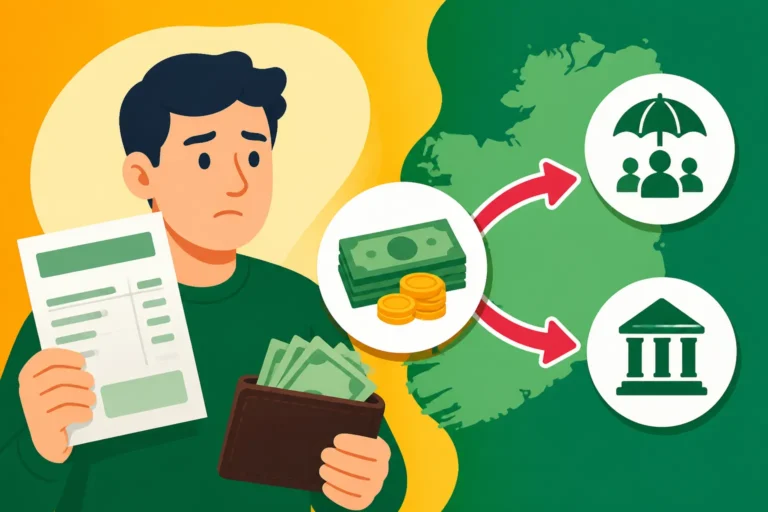
The simplicity extends to your finances too. For tax purposes, your business income is simply part of your personal income. You won't be dealing with corporation tax; instead, you'll pay income tax, PRSI (Pay Related Social Insurance), and USC (Universal Social Charge) on your profits. This direct link between your personal and business finances is a double-edged sword, offering ease of management but also implying unlimited personal liability for any business debts. This is a crucial distinction to grasp: if your business runs into financial trouble, your personal assets could be at risk. This is why many sole traders consider migrating to a limited company structure as their business grows and its financial exposure increases.
Key Responsibilities You'll Face
While the setup is simpler, being a sole trader in Ireland definitely comes with a set of responsibilities. You're essentially wearing all the hats – CEO, accountant, sales manager, and more. One of the most important hats is that of the tax administrator. Unlike being an employee where your employer handles most of the tax deductions through the PAYE system, as a sole trader, you are responsible for calculating and paying your own taxes directly to Revenue. This means you'll need to be diligent about keeping accurate records of all your income and expenses.
Think of every receipt, every invoice, every bank statement as a piece of your financial puzzle. You’ll need to understand categories of expenses you can claim against your income to reduce your taxable profit, such as office supplies, professional development, and even a portion of your home utility bills if you work from home. Missing out on these can mean paying more tax than necessary. Furthermore, you’ll be responsible for submitting an annual tax return, typically using a Form 11, by the self-assessment deadline. This isn't just about reporting income; it's also where you declare your PRSI contributions, which are vital for your social welfare entitlements like the State Pension. Understanding these obligations from the get-go will save you a lot of headaches down the line.
The Step-by-Step Process to Register as a Sole Trader with Revenue
Right, let’s get down to brass tacks. Registering as a sole trader in Ireland involves a few key steps with Revenue, the Irish tax authority. It might seem daunting at first glance, especially if you're used to a different system, but breaking it down makes it much more manageable.
Getting Your PPS Number and Registering for MyAccount
First things first, you absolutely need a PPS (Personal Public Service) Number. This is your unique identifier for all social welfare and tax purposes in Ireland. Without it, you can't really do anything official. If you don't have one already, this is your very first port of call. You can apply for a PPS number through the Department of Social Protection. Be prepared to provide proof of identity and address, and clearly state why you need the PPS number – in this case, for self-employment. The process can sometimes feel a bit drawn out, so it's best to tackle this early. For a more comprehensive overview, check out this guide on How to Register for Tax and Get a PPS Number in Ireland.
Once you have your PPS Number, your next crucial step is to register for Revenue's online service, known as myAccount. This portal is your gateway to managing all your tax affairs in Ireland. It’s where you’ll declare your self-employment, file your tax returns, and interact with Revenue. Think of it as your personal tax office, accessible from your laptop. The registration process for myAccount is fairly straightforward, but you’ll need your PPS Number and a few personal details. Once registered, Revenue will send you a temporary password by post, which you'll then use to set up your own secure password. It's a system designed for security, so while the wait for the postal code might feel like another hurdle, it’s just part of the process here. You can find detailed instructions on How to Register on Revenue myAccount in Ireland.
Notifying Revenue About Your Self-Employment
This is the core of registering as a sole trader. Once you have your PPS Number and access to myAccount, you need to inform Revenue that you're going to be self-employed. You do this by registering for Income Tax as a "sole trader." This is typically done online through your myAccount. You'll navigate to the "Manage My Record" section and then select "Register for Tax." From there, you'll choose "Income Tax" and indicate that you're becoming a "Self-Employed" individual.
You’ll be asked for basic information about your business, such as the date you started trading and a brief description of your business activity. It’s not overly complicated, but accuracy is key. Ensure the start date reflects when you actually began earning income or incurring business expenses. This step essentially tells Revenue, "Hey, I'm now running my own show, and I'll be paying taxes differently." Once this is processed, Revenue will recognise you as a self-employed individual, and your tax obligations will shift from the PAYE system to the self-assessment system. Don't be surprised if you don't receive an immediate confirmation email, but you should see the update reflected in your myAccount profile within a few days.
It’s worth noting that if you’re also working as an employee, you’ll be what’s called a “PAYE employee with a secondary source of income.” In this scenario, you'll still pay PAYE on your employment income, but your self-employment income will be assessed through the self-assessment system. Revenue will then balance out any tax credits across both sources of income. It can get a little complex, so Understanding PAYE, PRSI and USC Deductions for Employees in Ireland can help differentiate between your employed and self-employed tax situations.
Understanding Your Tax Obligations
This is where things can get a bit overwhelming if you’re not prepared, but it doesn’t have to be! As a sole trader, you'll be responsible for three main types of contributions: Income Tax, PRSI (Pay Related Social Insurance), and Universal Social Charge (USC). These are paid under the self-assessment system, meaning you calculate them yourself and pay them to Revenue, usually in two instalments: preliminary tax by 31st October of the tax year, and the balance (along with preliminary tax for the following year) by 31st October of the following year.
| Tax Type | Description | Calculation Basis | Payment Method |
|---|---|---|---|
| Income Tax | Tax on your net profits (income minus allowable expenses). | Progressive tax bands (standard and higher rates) | Self-assessed via myAccount, paid by October 31st |
| PRSI (Class S) | Contributions to social insurance, essential for social welfare benefits like State Pension and Maternity Benefit. | Flat rate (currently 4% of gross income, minimum €500 per year for self-employed with profits > €5,000). | Self-assessed via myAccount, paid by October 31st |
| Universal Social Charge (USC) | A tax on gross income (before expenses, but after PRSI for employees; different for self-employed). | Progressive rates based on income bands. | Self-assessed via myAccount, paid by October 31st |
| VAT (if applicable) | Value Added Tax on goods and services, if your turnover exceeds certain thresholds. | Standard rate currently 23% (varies by product/service). | Bi-monthly or quarterly via myAccount, paid periodically |
The key takeaway here is self-assessment. You are responsible for calculating and paying these. Many expats find it incredibly helpful to consult with an accountant, especially in their first year or two, to ensure they're correctly claiming expenses and understanding their liabilities. Companies like Taxes for Expats specialise in international tax, which can be invaluable when you're trying to figure out how your Irish income affects your tax situation back home, and vice-versa. For a deep dive into the overall tax landscape, you might want to read The Complete Guide to Taxes in Ireland for Expats (2027).
Practical Tips and What Comes After Registration
So, you’ve done the hard part: you’ve registered as a sole trader. Now, the real work begins, not just in running your business but in diligently managing its administrative side. As an expat, this takes an extra layer of planning.
Managing Your Finances and Record-Keeping
This cannot be stressed enough: good record-keeping is the backbone of a successful, stress-free sole proprietorship. From day one, get into the habit of meticulously tracking all your income and expenses. This means holding onto every invoice you issue, every receipt for business purchases, and clearly categorising everything. You’ll need these records when it comes time to complete your annual tax return (Form 11). Revenue can and does request to see these records, so having them organised will be a lifesaver.
Consider setting up a separate bank account for your business, even though it's not legally required for sole traders. It makes tracking business-related income and expenditure so much clearer and saves you a headache come tax time when trying to separate personal from business transactions. There are numerous accounting software options available, from simple spreadsheets to more robust platforms like QuickBooks or Xero, which can automate much of this for you. Even if your business is small initially, investing time in a robust system now will pay dividends as you grow. Knowing How to File Your Income Tax Return (Form 11 or Form 12) in Ireland will be much easier with well-organised records.
Beyond just the numbers, also keep records of contracts with clients, professional subscriptions, and any other documentation that proves your business activities. For example, if you're a freelance language teacher, keeping records of your lessons (perhaps with a platform like iTalki, which helps connect teachers and students globally) can provide proof of your professional engagement and income source. This level of detail helps establish the legitimacy and scope of your sole trader activities.
Exploring Other Support and Resources
As a self-employed expat, you’re not alone. Ireland has a robust network of support for small businesses and entrepreneurs. Local Enterprise Offices (LEOs) are a fantastic resource, offering training, mentoring, and even some funding opportunities. They have offices in every county and are tailored to help small businesses thrive. Don’t underestimate the power of networking with other sole traders and small business owners; they often share invaluable insights and advice that you won’t find in any official guide. Joining local business groups or online expat forums can provide a sense of community and practical tips.
Also, remember to consider your long-term financial security. As a sole trader, your PRSI contributions (Class S) contribute to social welfare benefits, but they might not be as comprehensive as employee contributions. It's wise to look into setting up a private pension, like a Personal Retirement Savings Account (PRSA). This isn't just about retirement; it's also a tax-efficient way to save. More details can be found on How to Set Up a Pension (PRSA) as an Expat in Ireland. And crucially, don't forget about health coverage. Public healthcare is available, but many self-employed individuals opt for private health insurance to ensure faster access to specialists and a wider range of services. Understanding Health Coverage for the Self-Employed in Ireland is crucial for your peace of mind.
Common Pitfalls and How to Avoid Them
Even with the best intentions, it's easy to stumble, especially when you're new to the system. I've seen countless expats, myself included, make common mistakes. Being aware of these can help you sidestep them.
The Dreaded Emergency Tax (Even for Self-Employed!)
Okay, so emergency tax typically applies to employees who haven't given their employer their PPS number or filled out the right forms. However, the spirit of emergency tax – getting unexpectedly hit with higher tax rates – can absolutely affect sole traders if they don't plan properly. The biggest pitfall here is underestimating your tax liability and not setting aside enough money for your preliminary tax payments. Because you're paying tax in arrears (on profits from the previous year), it's easy for that first big tax bill to come as a shock.
Imagine this: you've had a fantastic first year, earning more than you expected. You've been diligently tracking your expenses, but you haven't actually put any money aside for tax. Come October 31st, you’re suddenly faced with a bill for your income tax, PRSI, USC, and a preliminary payment for the next year – all at once. This can be a huge financial strain. The solution? From your very first invoice, set aside a percentage of your income for tax. A good rule of thumb is to put away 20-30% of your gross earnings into a separate savings account. This isn't exact, as your actual rate will depend on your income and tax credits, but it's a safe starting point. This way, when the tax deadline rolls around, the money is there, ready and waiting.
Missing Out on Essential Advice
Another significant pitfall is trying to do it all yourself without tapping into expert advice. While the internet is a treasure trove of information, general advice might not always apply to your specific situation as an expat or the nuances of Irish tax law. I've often seen people delay seeking professional help, thinking they can figure it out, only to find themselves in a deeper hole.
This can range from misunderstanding what expenses are legitimately allowable (which means you could be paying more tax than you need to) to completely miscalculating your PRSI contributions, which can impact your social welfare entitlements. For instance, knowing How Much Tax Do Freelancers Pay in Ireland? is one thing, but understanding the specific deductions you qualify for can significantly alter that amount. A qualified Irish accountant, especially one experienced with self-employed individuals and expats, can save you money and stress in the long run. They can guide you through everything from setting up your accounting system to ensuring you’re compliant with all Revenue requirements. They can also advise you if and when it makes sense to transition from a sole trader to a limited company, which is a common progression for growing businesses. If your business is growing rapidly or involves complex financial arrangements, a quick chat with an expert can be the best investment you make. The comprehensive guide, The Complete Guide to Freelancing in Ireland as an Expat, also offers more practical advice for independent contractors.
Disclaimer
The information provided in this guide is for general informational purposes only and does not constitute professional tax, legal, or financial advice. While we strive to keep the information up-to-date and accurate, laws and regulations in Ireland can change. It is always recommended to consult with a qualified Irish tax advisor or accountant for advice tailored to your specific circumstances as an expat or sole trader.