Where Can I Get a Vaccine as an Adult in Ireland?
Moving to a new country like Ireland means navigating a whole new healthcare system, and one of the trickiest parts can be figuring out where to get the adult vaccinations you might need or simply want. It's not always as straightforward as it was back home, and the sheer thought of trying to understand a new system when you're already juggling so much can be overwhelming. This guide is here to walk you through exactly where you can get vaccinated as an adult in Ireland, what vaccines are commonly recommended, and what you can expect in terms of process and cost.
Understanding the Adult Vaccination Landscape in Ireland
When you first arrive in Ireland, especially if you're coming from a country with a different approach to public health, it can feel like you're stepping into a bit of a maze. Unlike childhood vaccinations, which are quite structured and part of the national immunisation programme, adult vaccinations often fall into a slightly greyer area, depending on the vaccine itself and your personal circumstances. There isn't a single, all-encompassing "adult vaccination programme" that covers everyone for everything. Instead, it's a more targeted approach, focusing on specific risks, occupational needs, or personal choices.
Key Differences from Childhood Immunisation
The Irish healthcare system, largely managed by the Health Service Executive (HSE), does an excellent job with its childhood immunisation schedule, ensuring that most children are protected against a wide array of diseases from an early age. However, as an adult, the responsibility often shifts to you to identify and pursue any necessary vaccinations. This can be a rude awakening for many expats who might be used to more proactive reminders or readily available free vaccines for adults in their home countries. You'll find that some vaccines are publicly funded for specific at-risk groups, while others are entirely self-funded. This fragmented approach can definitely add to the confusion, especially when you're still trying to get your head around the basics, like Registering with a GP in Ireland: The Complete Expat Guide (2027).
Why Adult Vaccinations Matter for Expats
Even if you’re fully vaccinated from your home country, there are several compelling reasons why you might need adult vaccinations in Ireland. Firstly, some vaccines require boosters over time, and you might simply be due for one. Secondly, public health recommendations can vary significantly between countries, meaning a vaccine that’s routine here might not have been in your home country, or vice versa. For example, Ireland's flu vaccine recommendations might differ slightly, or you might find certain travel vaccines are more readily available. Lastly, if you’re working in certain professions, such as healthcare or childcare, specific occupational health vaccinations are often mandatory. Don't forget that your immunity can wane, and new strains or local health concerns can emerge, making it essential to keep your protection up to date.
Where to Get Your Adult Vaccinations
Figuring out where to go for a vaccine as an adult in Ireland is probably your biggest initial hurdle. Thankfully, there are several avenues, each with its own benefits and drawbacks. Knowing these options will save you a lot of time and potential frustration.
General Practitioners GPs
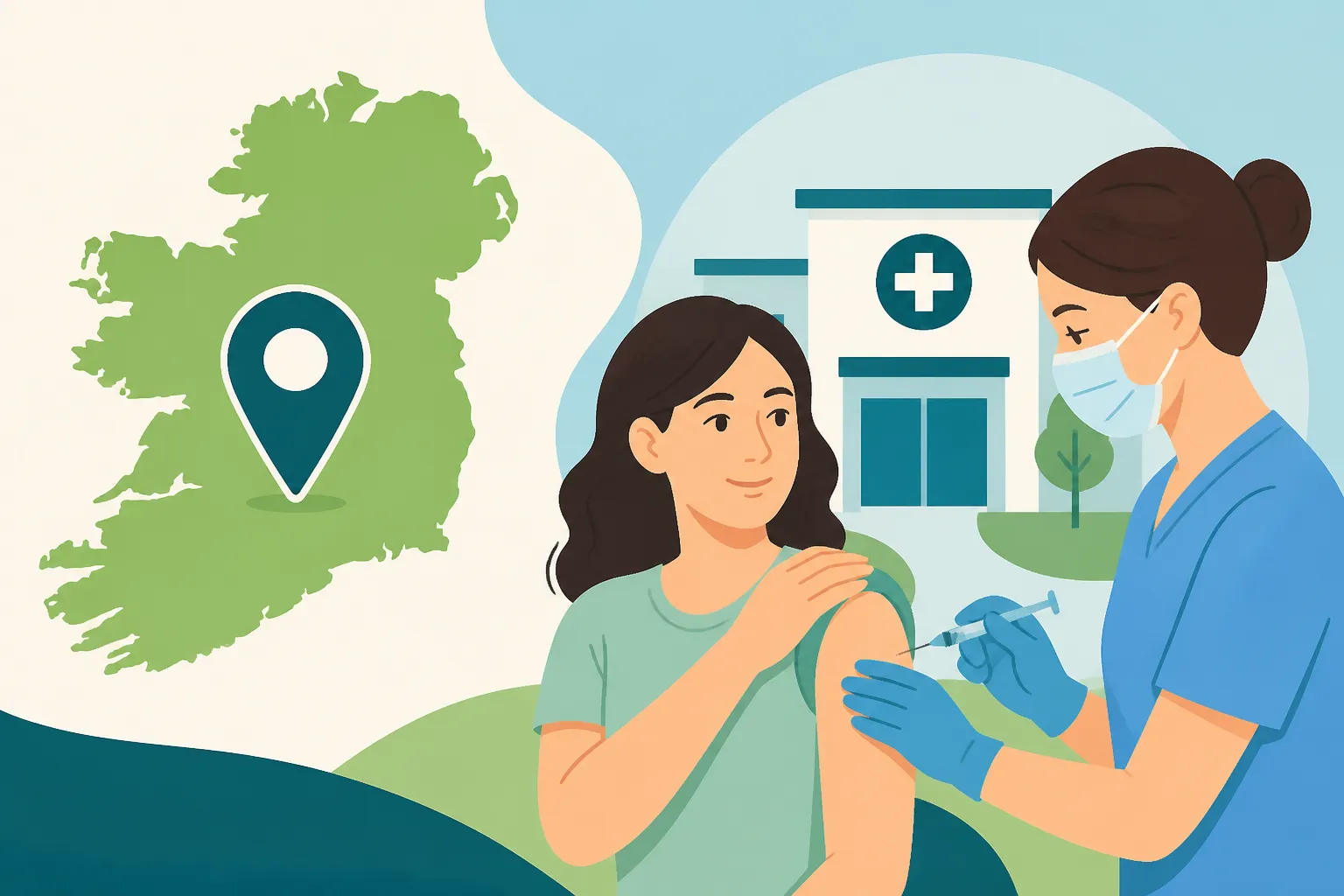
Your local General Practitioner, or GP, is typically your first port of call for most healthcare needs in Ireland, and vaccinations are no exception. Once you’ve successfully managed to How to Register with a GP (Family Doctor) in Ireland, they can administer many common adult vaccines. This includes tetanus, diphtheria, pertussis (Tdap), MMR (measles, mumps, rubella) if you missed it or need a booster, and often the seasonal flu vaccine.
The process usually involves booking a standard GP appointment to discuss your vaccination needs. The doctor will review your medical history, any existing vaccination records you have (make sure to bring them!), and advise on what’s recommended. You might receive the vaccine on the same day, or you might need a separate nurse appointment. For publicly funded vaccines, like the flu jab for eligible groups or the Tdap during pregnancy, there might be no consultation fee or a reduced one. For others, you’ll pay the standard GP consultation fee, plus the cost of the vaccine itself. It's often reassuring to get medical advice from someone who knows your general health, but sometimes GP practices have limited stock for less common vaccines, or a long waiting list for routine appointments.
Local Pharmacies
Pharmacies in Ireland have increasingly become accessible hubs for certain adult vaccinations, most notably the seasonal flu vaccine. This is a fantastic option for convenience, especially if you’re looking to get your flu shot without booking a separate GP appointment. Many pharmacies across the country, like Boots or smaller independent chemists, offer this service during the flu season, which typically runs from September to February.
The process at a pharmacy is usually very streamlined. You can often walk in, or book a slot online, fill out a short questionnaire to ensure you’re eligible, and have a pharmacist administer the vaccine. The cost is generally competitive, often including both the vaccine and the administration fee. It's important to note that while pharmacists are highly trained to administer specific vaccines, they won't provide the broader medical consultation a GP would. So, if you have complex health concerns or need advice on a range of vaccines, your GP is still the best option. However, for straightforward vaccines like the flu jab, it's incredibly handy.
Travel Health Clinics
For those more specialised vaccinations, especially if you're planning international travel, a dedicated travel health clinic is your best bet. These clinics are experts in tropical diseases, yellow fever, typhoid, hepatitis A and B, Japanese encephalitis, and many others not typically stocked by your local GP. Dublin, Cork, and other larger cities will have several reputable travel health clinics. Examples include the Tropical Medical Bureau (TMB) which has clinics across Ireland, or specific clinics within private hospitals.
At a travel health clinic, you'll usually have a comprehensive consultation where a specialist nurse or doctor will assess your travel itinerary, any pre-existing conditions, and your current vaccination status. They'll then provide a tailored vaccination schedule and advice on other travel health precautions. This service is almost always private, meaning you'll pay for the consultation, the vaccines, and any associated administration fees. While it's an extra cost, the expertise and convenience of getting multiple travel-specific vaccines in one go can be invaluable. If you're planning a trip, booking well in advance is crucial, as some vaccine courses require multiple doses over several weeks or months. For any short-term medical needs or unexpected health issues that might arise during your travels, especially if you're not fully covered by your home country's public health system, having a good travel insurance plan like SafetyWing can provide crucial coverage and peace of mind.
Occupational Health Departments
If your job in Ireland requires specific immunisations, your employer’s occupational health department will typically arrange these for you. This is common in healthcare settings, laboratories, or roles that involve working with vulnerable populations. These vaccinations might include hepatitis B, MMR boosters, or even TB screening.
Your employer is usually responsible for the cost of these job-specific vaccinations. The process will be managed internally, often through a referral to a designated occupational health clinic or a nurse-led service within the company. This removes a lot of the administrative burden from you, which is a welcome relief for any expat trying to find their feet. Just make sure to clarify with your employer or HR department what vaccinations are required for your role and how they will be arranged upon your arrival or before you start working.
Costs and Coverage: What to Expect
The financial aspect of adult vaccinations in Ireland can be a bit of a mixed bag, and it's where many expats find themselves scratching their heads. Unlike some countries where many adult vaccines are free, here it largely depends on the specific vaccine, your eligibility, and your health insurance status. Understanding The Cost of Healthcare in Ireland: A Complete Breakdown for Foreigners (2026) is vital.
Publicly Funded Vaccines
The good news is that certain adult vaccines are publicly funded by the HSE for specific groups. The most prominent example is the seasonal flu vaccine, which is free for those in at-risk categories (e.g., people over 65, those with certain chronic medical conditions, healthcare workers, and pregnant women). The Tdap vaccine (tetanus, diphtheria, pertussis) is also offered free to pregnant women in Ireland to protect their newborns.
For these publicly funded vaccines, if you meet the eligibility criteria, you won't pay for the vaccine itself, and often the administration fee is also waived or covered. Your GP or a participating pharmacy will be able to confirm your eligibility. It's always worth checking the most up-to-date HSE guidelines, as eligibility criteria can sometimes expand or change, particularly during public health campaigns.
Private Costs and Health Insurance
For vaccines that aren't publicly funded, you'll be paying out-of-pocket. This includes most travel vaccines, and sometimes even routine boosters if you don't fall into an at-risk category. A GP consultation typically costs between €50-€70, plus the cost of the vaccine itself, which can range from €30 for a basic shot to €100+ for more specialised travel vaccines. Travel clinics often have higher consultation fees, but these include specialist advice.
Private health insurance plans (like those from VHI, Laya Healthcare, or Irish Life Health) can sometimes cover or partially reimburse the cost of certain adult vaccines, but this varies widely by plan. It’s absolutely crucial to check your specific policy details with your provider. Don't just assume it's covered; call them up and ask! Some plans might offer a certain amount towards a "wellness benefit" which could include vaccines, but it's rarely a full reimbursement. If you're on a temporary visa or still setting up your long-term health plan, having a comprehensive travel and expat insurance policy like SafetyWing can be a smart move to bridge any gaps in coverage for unexpected health needs. Even if it doesn't cover routine vaccinations, it can be a lifesaver for other medical emergencies.
Potential for Tax Relief
While not directly reducing the upfront cost, you might be able to claim tax relief on certain medical expenses, including some vaccine costs, under the Pay As You Earn (PAYE) system. You can claim tax relief at 20% on the cost of qualifying medical expenses. This is usually done through your annual tax return or by contacting Revenue directly. Keep all your receipts for GP visits, pharmacy vaccine costs, and travel clinic appointments, as you’ll need them to make a claim. For more on this, check out How to Claim Tax Relief on Medical Expenses in Ireland.
Essential Vaccinations for Adults in Ireland
It’s easy to think of vaccines as something mostly for kids, but as an adult, especially when living abroad, there are definitely vaccinations you should consider. Your specific needs will depend on your age, health status, and lifestyle, but here’s a rundown of common recommendations.
Routine Vaccinations
Even if you're an adult, there are some routine vaccinations that are important to keep up-to-date with.
- Tetanus, Diphtheria, Pertussis (Tdap): The Tdap booster is often recommended every 10 years, especially if you're around infants or young children (to protect against whooping cough). As mentioned, pregnant women are offered this free in Ireland. If you're in a job working with children, even if it's not strictly healthcare, it's a good idea to discuss this with your GP.
- MMR (Measles, Mumps, Rubella): If you weren't fully vaccinated as a child or are unsure of your status, an MMR booster might be advised. Measles outbreaks can still occur, so ensuring immunity is crucial, particularly if you work in public-facing roles or with children. Your GP can arrange a blood test to check your immunity levels if you're uncertain.
- Seasonal Influenza (Flu): Highly recommended annually, especially for those in at-risk groups, healthcare workers, and anyone wanting to avoid the miserable experience of the flu. As discussed, this is widely available at GPs and pharmacies. Even if you're healthy, getting the flu vaccine helps protect more vulnerable members of the community, which is a lovely Irish sentiment to adopt!
Travel Vaccinations
Ireland is an incredible jumping-off point for exploring Europe and beyond, so if you're planning any trips, travel vaccinations will be on your radar.
- Hepatitis A and B: Depending on your destination, these are often recommended. Hepatitis A is common in areas with poor sanitation, while Hepatitis B can be transmitted through bodily fluids.
- Typhoid: A bacterial infection spread through contaminated food and water, often recommended for travel to South Asia, Africa, and parts of Latin America.
- Yellow Fever: A mandatory vaccine for travel to certain countries in Africa and South America. You'll need a special certificate of vaccination.
- Other Vaccines: Depending on your destination and activities, you might need vaccines for Japanese encephalitis, rabies, meningitis, or cholera. This is where a travel clinic's expertise really shines, as they can assess your specific risk factors. Remember, a comprehensive travel insurance policy like SafetyWing is not a substitute for vaccinations, but it's an essential companion for any international travel, offering critical protection against unforeseen medical events abroad.
Other Important Vaccinations
Beyond routine and travel, there are a few other vaccines to consider based on individual circumstances.
- HPV (Human Papillomavirus): While primarily given to adolescents, catch-up vaccination can be considered for adults up to certain ages, especially if you didn't receive it previously. Discuss this with your GP.
- Pneumococcal Vaccine: Recommended for older adults and those with certain chronic health conditions to protect against pneumonia and other serious infections.
- Shingles Vaccine: Advised for older adults, typically those aged 50 and over, to prevent shingles, a painful viral infection.
Always have an open conversation with your GP about your personal health history, any chronic conditions, your travel plans, and your lifestyle to determine the most appropriate vaccination schedule for you. They can also advise on Understanding Childhood Vaccination Schedules in Ireland if you have young ones joining you.
Preparing for Your Vaccination Appointment
Once you’ve identified which vaccines you need and where you plan to get them, a little preparation can go a long way in making the process smooth and stress-free.
What to Bring and What to Ask
When heading to your GP or a travel clinic, make sure to bring any existing vaccination records you have from your home country. These documents are incredibly helpful for the healthcare professional to assess your current immunity and avoid unnecessary vaccinations. If you don't have records, don't panic – they can usually advise based on typical schedules or, if necessary, suggest blood tests to check your immunity.
It's also a good idea to come prepared with a list of questions. For example:
- What are the side effects of this vaccine?
- Are there any activities I should avoid after the vaccine?
- When will I need a booster dose, if applicable?
- What is the total cost, and will I receive a receipt for tax or insurance claims?
- Are there any specific considerations given my medical history or current medications?
For travel vaccinations, bring your detailed itinerary, including countries you'll visit, duration of stay, and the type of activities you'll be doing (e.g., trekking, volunteering, visiting rural areas).
After Your Vaccination
Most vaccines have very mild side effects, such as soreness, redness, or swelling at the injection site. Some people might experience a low-grade fever, headache, or muscle aches. These symptoms are usually mild and resolve within a day or two. The healthcare professional will provide specific aftercare instructions, but generally, applying a cool compress to the injection site can help with any discomfort.
It’s important to remember that it takes time for your body to build immunity after a vaccine, so you won’t be immediately protected. For multi-dose vaccines, make sure you complete the entire course as recommended for full protection. Also, keep track of your vaccination dates. You might want to ask for a written record from your GP or clinic, or update a personal health record. This will make it easier next time you need to check your status or if you ever move again – heaven forbid!
| Vaccine Type | Typical Location for Adults | Average Private Cost (Vaccine + Admin) | Key Considerations |
|---|---|---|---|
| Seasonal Flu Vaccine | GP, Pharmacy | €25 – €40 | Free for eligible at-risk groups. Annual. |
| Tdap (Tetanus, Diphtheria, Pertussis) | GP | €50 – €80 | Free for pregnant women. Booster every 10 years. |
| MMR (Measles, Mumps, Rubella) | GP | €70 – €100 | Check immunity if unsure of past vaccination. |
| Hepatitis A/B | Travel Clinic, GP | €80 – €120 (per dose) | Multiple doses may be required for full immunity. |
| Typhoid | Travel Clinic, GP | €70 – €90 | Oral and injectable options available. |
| Yellow Fever | Travel Clinic (Designated Centre) | €100 – €150 | Required for entry to some countries. Special certificate needed. |
| Shingles | GP | €200 – €300 (per dose) | Two doses often recommended. For 50+ age group. |
Please note: Costs are approximate and can vary by clinic, pharmacy, and current pricing. Always confirm current costs with your provider.
The journey of figuring out adult vaccinations in Ireland, like much of expat life, is about being proactive, asking questions, and knowing your options. It might not be as straightforward as back home, but with a bit of planning and persistence, you'll ensure you stay healthy and protected while enjoying your life here on the Emerald Isle.
Disclaimer
The information provided in this guide is for general informational purposes only and does not constitute medical advice. Healthcare guidelines and costs can change. Always consult with a qualified healthcare professional, such as your GP or a travel health specialist in Ireland, for personalised advice regarding your specific vaccination needs and medical conditions.