How Do I Register My Newborn for Healthcare in Ireland?
Becoming a new parent is an absolute whirlwind, especially when you’re navigating it all in a new country like Ireland. Between the sleepless nights and the sheer joy (and terror!) of a tiny human, the last thing you want to grapple with is confusing bureaucracy. Getting your newborn properly registered for healthcare here can feel like another mountain to climb, but trust me, it’s entirely doable. This comprehensive guide will walk you through every step, making sure your little one gets the care they need from day one.
Understanding Your Newborn's Immediate Healthcare Needs in Ireland
When your little bundle of joy arrives in Ireland, whether it's in a bustling hospital in Dublin or a more intimate maternity unit in Galway, their initial healthcare is usually pretty straightforward. But what happens after you leave the comfort of the maternity ward? That’s where the planning begins.
Hospital Care and Initial Checks
For those first few precious days, while you and your baby are still in the hospital, all necessary medical care is provided. This includes crucial checks like the newborn physical examination, hearing screening, and bloodspot screening (often called the 'heel prick test'). These are standard procedures designed to catch any potential issues early. For families availing of the public maternity system under the HSE, these services are generally free of charge. If you opted for private maternity care, these initial checks are typically included in your package.
What many expats don't realise, or perhaps only discover too late, is that while the hospital looks after the immediate aftermath of birth, the clock starts ticking for you to get your baby integrated into the broader healthcare system. This isn’t just about making appointments; it’s about making sure all the administrative ducks are in a row so that future care is seamless and, importantly, covered. The thought of adding this to your "new parent" to-do list might feel overwhelming, but taking it one step at a time really helps.
The Maternity and Infant Care Scheme
One of the absolute lifesavers for expectant and new parents in Ireland is the Maternity and Infant Care Scheme, provided by the HSE. This scheme ensures that mothers and their babies receive an agreed programme of care, free of charge, from a GP and an obstetrician. Even if you haven't decided on your baby's long-term healthcare route yet, this scheme provides a solid foundation.
For your newborn, the scheme covers specific post-natal check-ups with your GP. Typically, this includes a 2-week check for your baby and a 6-week check for both mother and baby. These appointments are vital for monitoring your baby's growth and development, addressing any concerns you might have, and making sure you, as the new parent, are also recovering well. It’s important to register for this scheme as soon as you can during pregnancy, as it sets the stage for your baby's initial post-hospital care. You can find more detailed information about the specifics in our guide on Understanding Maternity and Prenatal Care Under the HSE in Ireland.
The All-Important PPS Number for Your Baby
Just like you needed a PPS Number (Personal Public Service Number) when you first arrived in Ireland, your new baby will need one too. This isn't just a bureaucratic formality; it's the key that unlocks access to various public services, including public healthcare benefits. Without it, things can grind to a halt very quickly, so getting this sorted early is paramount.
Why Your Baby Needs a PPS Number
Think of the PPS Number as your baby's unique identifier within the Irish social welfare system. It's essential for a whole host of things, such as:
- Registering with a GP: While some GPs might initially see your baby without a PPSN, it will eventually be required for formal registration and to ensure any public healthcare benefits (like the GP Visit Card, if eligible) are applied.
- Accessing the Drugs Payment Scheme: This scheme, which caps the monthly cost of prescription medicines, absolutely requires a PPSN for your baby to be included.
- Child Benefit: This is a universal payment made to parents or guardians of children under 16, and you'll need your baby's PPSN to apply for it. For many expat families, this payment can be a welcome bit of extra support.
- Future Educational and Social Welfare Services: As your child grows, their PPSN will be needed for school enrolment, medical cards, and other social welfare benefits.
You can learn more about why this number is so crucial and how to obtain your own in our comprehensive guide on How to Register for Tax and Get a PPS Number in Ireland. The process for a newborn is a little different, as it's typically tied to their birth registration.
How to Apply for Your Newborn's PPS Number
The good news is that for newborns born in Ireland, the process for obtaining a PPS Number is usually quite streamlined and often happens automatically once the birth is registered.
- Register the Birth: The very first step is to officially register your baby's birth with the Civil Registration Service. This usually needs to be done within three months of the birth. You'll receive a birth certificate, which is a fundamental document for everything else. You'll generally do this at your local Civil Registration Office.
- Automatic PPSN Allocation: Once the birth is registered and recorded, the Department of Social Protection (DSP) is usually notified automatically by the Civil Registration Service. They then allocate a PPS Number to your baby and send it directly to the address you provided during birth registration. This process can take a few weeks after birth registration, so patience is key.
- If it doesn't arrive: If you haven't received your baby's PPSN within a reasonable timeframe (say, a month or two) after registering the birth, you might need to follow up. You can contact your local Department of Social Protection office. You'll likely need your baby's birth certificate and your own identification.
It’s a waiting game, but once that letter with the PPSN arrives, file it somewhere safe! It’s one of those documents you’ll need to keep readily accessible for years to come.
Registering Your Baby with a GP in Ireland
This is arguably the most critical step for your newborn's ongoing healthcare. Your General Practitioner (GP), or family doctor, will be the first port of call for almost all your baby's medical needs, from routine check-ups and vaccinations to minor illnesses. Finding a good GP that's accepting new patients, especially newborns, is a task best tackled sooner rather than later.
Finding a GP Accepting New Patients
The reality of the Irish healthcare system, especially in urban areas, is that many GP practices are stretched and may have closed their books to new patients. This can be a huge source of frustration for new parents, particularly expats who might not have established networks yet. My advice? Start calling around even before your baby is born, if you can! It saves a lot of stress down the line.
Here’s how to approach it:
- Start Local: Begin by checking GP practices near your home. Proximity is incredibly important when you have a sick baby.
- Check Online Directories: The HSE website often lists GP practices. While it might not always be up-to-date on who's accepting new patients, it's a good starting point for contact details. You might also find practices listed on sites like WhatClinic.
- Ask for Recommendations: This is where local expat groups, colleagues, or neighbours can be invaluable. Personal recommendations can save you a lot of time calling practices that aren't taking new patients.
- Be Persistent (and Polite!): You might need to make several calls. Clearly state you are looking to register a newborn. Some practices prioritise newborns even if they're generally not accepting adult patients.
For a deeper dive into the process of finding and registering with a GP, you'll find our guide, Registering with a GP in Ireland: The Complete Expat Guide (2027), incredibly helpful.
The Registration Process and Required Documents
Once you find a GP practice that agrees to take your baby, they will guide you through their specific registration process. Typically, you will need to provide:
- Your Baby's Birth Certificate: Proof of identity and birth.
- Your Baby's PPS Number: As discussed, this is crucial for accessing public services.
- Your Own Details: Your name, address, and PPS Number, as the parent or guardian.
- Proof of Address: A utility bill or bank statement in your name.
- Medical History: A brief medical history for your baby, including details of the birth and any immediate post-natal care.
The practice will usually ask you to fill out a registration form. Some might require an initial 'meet and greet' appointment for your baby, even if they're perfectly healthy, to get them on their system and discuss the vaccination schedule.
Vaccinations
Ireland has a comprehensive childhood vaccination programme, and your GP plays a central role in delivering it. Once your baby is registered, your GP practice will typically contact you to schedule their first vaccination appointments. These usually start around two months of age. The schedule is clear, and your GP will discuss each vaccine with you, explaining its purpose and any potential side effects. This is a crucial part of preventative healthcare for your child in Ireland.
Exploring Additional Healthcare Schemes and Insurance for Your Little One
While the public system provides excellent foundational care, many expat parents choose to supplement this with private health insurance or make use of other government schemes. It’s all about building a safety net that works for your family.
The Drugs Payment Scheme (DPS)
This is a fantastic scheme that every family in Ireland, regardless of income or social welfare entitlements, should know about. The Drugs Payment Scheme (DPS) caps the amount any individual or family has to pay for approved prescribed drugs and medicines each month. As of my last check, this cap is €80 per month. This means if your baby (or anyone in your family) needs ongoing medication, your total out-of-pocket cost for prescriptions will never exceed that amount in a calendar month.
To register your baby for the DPS, you'll need their PPS Number. You can register online through the HSE website or by filling out a form at your local pharmacy. It’s a simple step that can save you a considerable amount, especially if your little one has unexpected or chronic medical needs. For more details on this, take a look at our article, Understanding the Drugs Payment Scheme (DPS) in Ireland.
Medical Card and GP Visit Card Eligibility
While not everyone will qualify, it's worth understanding the Medical Card and GP Visit Card schemes. These are income-assessed schemes designed to help with the costs of GP visits and prescription medicines.
- Medical Card: This covers GP visits, prescribed medicines (with a small co-payment per item), and some other health services. Eligibility is based on a means test, meaning your household income and circumstances are assessed.
- GP Visit Card: This covers GP visits for you and your family free of charge, but you still pay for prescribed medicines. Again, eligibility is income-based.
For a new baby, particularly if your family income falls within the thresholds, these cards can significantly reduce healthcare expenses. You can explore the criteria and application process further in our guide, The Expat Guide to the Medical Card and GP Visit Card in Ireland (2027). While these are fantastic supports, remember they are not universal and depend heavily on your financial situation.
Private Health Insurance for Newborns
Many expat families, myself included, choose to invest in private health insurance for peace of mind, especially with a newborn. The public system, while comprehensive, can involve long waiting lists for specialist appointments or non-emergency procedures. Private health insurance can provide quicker access to consultants, private hospital rooms, and a wider range of services.
Here’s what to consider when adding your newborn:
- Adding Your Baby to Your Existing Policy: If you already have private health insurance with providers like VHI, Laya Healthcare, or Irish Life Health, you typically have a window (often 13 weeks from birth) to add your newborn to your policy without them being subject to waiting periods for pre-existing conditions. This is a huge benefit! If you miss this window, your baby might have waiting periods applied, just like an adult joining a policy.
- Waiting Periods: Be mindful of waiting periods. If you don't have existing insurance and are taking out a new policy for your baby, there will almost certainly be waiting periods for certain conditions or benefits. This is where forward planning, even during pregnancy, can be really beneficial.
- Benefit Levels: Check what your policy actually covers for infants. Does it include outpatient consultant visits, emergency room charges if not admitted, or specific therapies? Some policies offer great benefits for children, including specialist care and even some dental or optical benefits down the line.
- Travel Insurance Considerations: For those expat families who might travel frequently, ensure your health insurance, or a supplemental travel insurance like SafetyWing, covers your newborn not just in Ireland but also when you visit family back home or go on holiday. It’s easy to forget about travel cover when you’re focused on the day-to-day. SafetyWing, for example, is specifically designed for nomads and expats, offering global health coverage that could be a great complement or alternative if traditional Irish plans don't fit your lifestyle perfectly, especially if you foresee moving countries again in the future.
The landscape of private health insurance in Ireland can be complex, with numerous plans and varying levels of cover. Our article, Health Insurance in Ireland: VHI, Laya, Irish Life and Options Explained, offers a detailed overview. Additionally, understanding How to Add Dependants to Your Health Insurance Plan in Ireland is crucial for a smooth transition. Remember, the peace of mind that comes with knowing your little one is covered, both in Ireland and potentially abroad with flexible options like SafetyWing, is truly priceless.
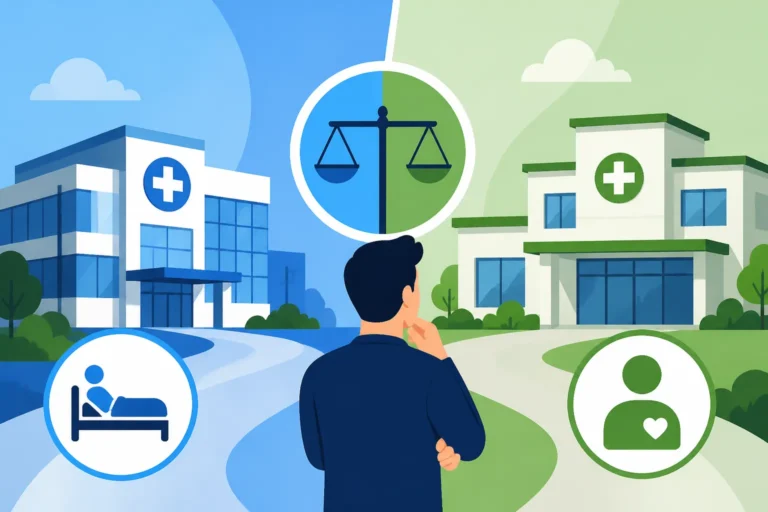
A Quick Comparison: Public vs. Private for Newborns
To give you a clearer picture, here's a brief comparison of what you can expect from public schemes versus private health insurance for your newborn in Ireland.
| Feature | Public Healthcare (HSE) | Private Health Insurance |
|---|---|---|
| Immediate Post-Natal Care | Covered (newborn checks, screenings in hospital) | Covered (typically part of maternity package or included) |
| GP Visits | Free via Maternity & Infant Care Scheme, GP Visit Card (if eligible) | Covered on an outpatient basis by some plans (often with excess/co-payment) |
| Specialist Referrals | Public waiting lists may apply | Quicker access to private consultants and hospitals |
| Vaccinations | Free (via GP) | Generally covered as part of GP care |
| Prescription Medications | Drugs Payment Scheme (DPS) cap applies; Medical Card (if eligible) | DPS still applies; some plans cover a portion of costs above DPS |
| Hospital Stays | Public ward access (free) | Private/semi-private room in private hospitals |
| Elective Procedures | Public waiting lists can be lengthy | Faster scheduling for non-emergency procedures |
| Flexibility/Choice | Less choice of specific doctors or timing | Greater choice of consultants and appointment times |
| Travel Coverage | EHIC (for EU travel); otherwise, separate travel insurance needed | Some comprehensive plans may include international cover; often separate travel insurance recommended (e.g., SafetyWing) |
Choosing the right path, or a combination of both, depends heavily on your family's specific needs, financial situation, and how comfortable you are navigating the public system. Don't underestimate the comfort of having quick access to a consultant if your baby needs it, which private health insurance can often facilitate. Just make sure you understand the nuances of waiting periods and adding dependants to any policy you choose, particularly with providers like VHI, Laya, or Irish Life Health.
Registering your newborn for healthcare in Ireland is a process that requires attention to detail and a bit of persistence, but it’s a vital step in ensuring your child gets the best start possible in their new home. Remember, you’re not alone in figuring this out; every expat parent has been through some version of this journey.
Disclaimer
The information provided in this guide is for general informational purposes only and does not constitute medical, legal, or financial advice. While we strive to keep the content up-to-date and accurate, policies and regulations in Ireland, particularly regarding healthcare and immigration, can change. Always consult with official government sources, healthcare professionals, or qualified advisors for the most current and specific information regarding your personal circumstances.