Can I Apply for an Employment Permit Online in Ireland?
Oh, the joy (and sometimes, pure exasperation) of navigating official systems in a new country! One of the biggest questions I get from folks eyeing Ireland for work is about the logistics of getting that all-important employment permit. For years, it felt like a labyrinth of paper forms and post-office queues, didn't it? But I'm here to tell you, yes, you absolutely can apply for an employment permit online in Ireland now, and this guide is going to walk you through every bend and turn, helping you avoid some of the common headaches many of us faced.
The Digital Shift: Applying for Your Employment Permit Online
Let's cut right to it: The days of printing out reams of paper and sending them off with a prayer are largely behind us for employment permits. Ireland's Department of Enterprise, Trade and Employment (DETE) has fully embraced the digital age, which is a massive relief, especially when you're coordinating a move from across the globe. Their Employment Permits Online System (EPOS) is now the standard, streamlined way for both employers and prospective employees to submit applications.
This isn't just about convenience; it's about efficiency. The move to an online system has aimed to reduce processing times and make the entire experience more transparent, which, let's be honest, is a breath of fresh air when you're dealing with something as crucial as your right to work. No more wondering if your application got lost in the post or if a critical document went missing somewhere along the line. Everything is tracked digitally, offering a clearer path to your new life in Ireland. While the system is generally well-designed, it still requires meticulous attention to detail and a solid understanding of the requirements for your specific permit type. Don't go into it thinking it's just another online form; treat it with the same respect you would a physical application, knowing that every click and upload counts.
Navigating the Employment Permits Online System (EPOS)
Alright, so the good news is you can do it all from your laptop. But "online" doesn't necessarily mean "easy-peasy." The EPOS system requires a methodical approach, much like any significant administrative process in Ireland. Think of it as a detailed journey rather than a quick sprint.
Setting Up Your EPOS Account
Before you can even think about submitting an application, you or your prospective employer will need to create an account on the EPOS system. This is your gateway to everything permit-related.
- Who Applies? It's important to understand that while you are the prospective employee, it's typically the employer who initiates the employment permit application. They're usually the ones creating the account and submitting on your behalf, especially for General or Critical Skills Employment Permits. However, there are scenarios, such as for intra-company transfers or where an eligible employee is already lawfully in the State, where the employee might apply. Always clarify with your employer who will be handling this.
- Registration Process: The registration is fairly straightforward. You'll need a valid email address, and you'll create a password. Keep these details safe! This account will be used for all correspondence regarding the application, including status updates and any requests for further information. It’s a good idea to use an email address that you check regularly and that isn't prone to spam filters. I remember a friend almost missed a crucial update because their work email security was too tight and flagged the DETE email as junk!
The Application Form: Digital Precision is Key
Once logged in, you'll select the type of employment permit you're applying for. This is where the real work begins. The online form is comprehensive, mirroring the information previously required on paper applications.
- Personal Details: This section covers all your basic information – name, date of birth, nationality, passport details, current address, and previous immigration history. Ensure every detail matches your passport and other official documents exactly. Discrepancies, even minor ones, can lead to delays or outright refusal.
- Employer Details: Your employer will need to input their company's details, including their registration number, address, and contact information. They'll also specify the terms of employment, like salary, job title, and the start date.
- Job Details: Here’s where you describe the role itself. This is crucial for The Expat Guide to the Critical Skills Employment Permit in Ireland (2026) and How to Apply for a General Employment Permit in Ireland. You'll detail the job title, duties, required qualifications, and the proposed annual salary. For Critical Skills permits, ensure the job description clearly aligns with the In-demand Occupation List. For General Employment Permits, confirm it meets the labour market needs test criteria.
- Educational and Professional Qualifications: You'll need to list your academic achievements and professional experience. Make sure these align with the requirements for the role you’re applying for and the permit type. If you have qualifications from outside Ireland, consider how to present them effectively. For instance, sometimes having your foreign qualifications recognised in Ireland through bodies like NARIC Ireland can be beneficial, though not always mandatory for the permit itself.
The system will guide you through each section, but it's not foolproof. I always recommend drafting all your answers in a separate document first, double-checking everything, and then copy-pasting into the online form. This way, you avoid losing progress if your internet cuts out, and you have a record of what you submitted.
Essential Documents for Your Online Application
The convenience of an online application doesn't mean fewer documents; it just means they need to be digitised. Gathering the correct documents, ensuring they are in the right format, and uploading them clearly is paramount. This is a common point of frustration for many, so let's break it down.
Preparing Your Digital Documents
You'll need to scan or obtain digital copies of all supporting documentation. The EPOS typically accepts PDF, JPEG, or PNG files, but always check the specific size and format requirements stated on the DETE website, as these can change.
- Passport: A clear scan of the biodata page of your passport (the page with your photo and personal details).
- Curriculum Vitae (CV) / Resume: An up-to-date CV, tailored for the Irish job market, detailing your education, work history, and skills.
- Educational Certificates: Copies of your degrees, diplomas, and any relevant professional qualifications. If these are not in English, you'll need certified translations.
- Professional References/Letters of Experience: While not always strictly mandatory for initial submission, having these ready can speed up the process if requested.
- Contract of Employment: A signed copy of your employment contract, detailing your role, salary, and terms of employment. This is a cornerstone document, so ensure it's fully executed.
- Employer Registration Details: Your employer will need to provide their company's tax registration number (Employer Registered Number or ERN) and proof of registration with the Companies Registration Office (CRO).
- Labour Market Needs Test (if applicable): For General Employment Permits, your employer will need to provide evidence that they advertised the position on specific job boards (e.g., EURES, JobsIreland.ie) for a specified period and were unable to find a suitable candidate from within the EEA. This is a critical component to understand if you are applying for a general permit, so make sure your employer is fully aware of Understanding the Difference Between Critical Skills and General Employment Permits.
- Proof of Private Health Insurance: For some permit types, especially Critical Skills, having private health insurance may be a requirement, or at least a highly recommended step. While not always directly uploaded with the initial application, you should certainly be thinking about it. Companies like Cigna Global offer comprehensive plans designed for expats, which can give you peace of mind from day one. It's much easier to secure this before you need it, rather than scrambling last minute.
- Any Other Supporting Documents: Depending on your individual circumstances or the specific permit type, you might need additional documents, such as previous work permits, marriage certificates (for dependents), or apostilled documents. If you have any doubt about the authenticity or origin of documents, getting them apostilled might be a good idea, as detailed in How to Get Your Documents Apostilled for Irish Immigration.
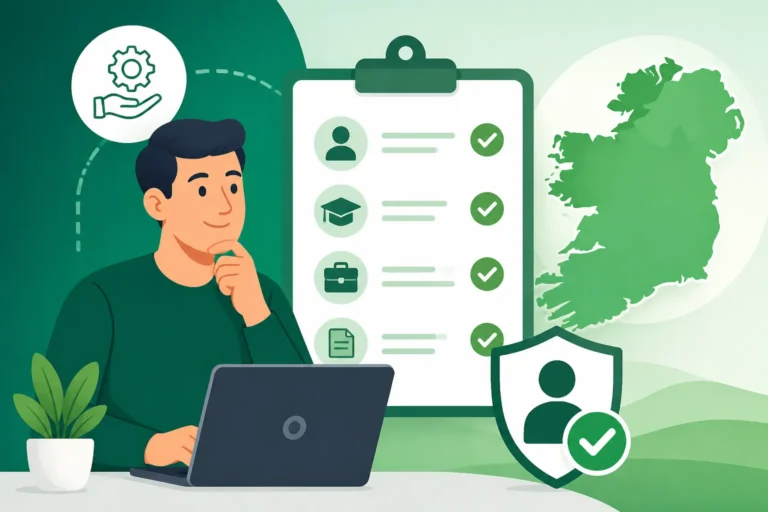
Document Checklist for Online Employment Permit Applications
| Document Category | Specific Documents | Required For (General Guide) | Notes |
|---|---|---|---|
| Personal Identity | Passport (biodata page) | All | Clear scan, must be valid. |
| Previous Irish Immigration Documentation (if applicable) | All (if previously resided) | Proof of lawful stay. | |
| Qualifications & Experience | CV/Resume | All | Up-to-date, relevant to job. |
| Academic Certificates/Transcripts | All | Certified translations if not in English. | |
| Professional Accreditations/Licenses (if applicable) | Specific professions (e.g., medical, legal) | Proof of eligibility to practice. | |
| Employment Offer | Signed Employment Contract | All | Must contain salary, job title, duties, start date. |
| Detailed Job Description | All | Should align with contract and permit type. | |
| Employer Information | Company Registration Office (CRO) Number | All | Provided by employer. |
| Employer's Tax Registration Number (ERN) | All | Provided by employer. | |
| Evidence of Labour Market Needs Test (Advertisements) | General Employment Permit | Proof of advertising efforts. | |
| Financial & Health | Proof of Private Health Insurance (e.g., policy details from Cigna Global) | Critical Skills (recommended for all expats) | Highly advised for all newcomers to Ireland. |
| Other | Certified Translations (if documents not in English) | All (where applicable) | Official translations. |
Remember, missing or incorrectly formatted documents are among the top reasons for delays or refusals. Take your time, double-check everything against the official DETE guidelines, and ensure all scans are legible and complete.
Understanding Payment and Submission
Once all sections of the form are filled out and your documents are uploaded, you'll proceed to the payment section.
- Application Fees: There is a non-refundable application fee for employment permits. The current fee for a Critical Skills Employment Permit is €1,000, and for a General Employment Permit, it's €1,000. These fees can change, so always verify the latest amounts on the official DETE website. The system will guide you to pay securely online using a credit or debit card.
- Final Review: Before hitting that "submit" button, the EPOS will typically provide a final review screen. Do not skip this step. This is your last chance to catch any errors. Read through everything one more time. Is your name spelled correctly? Does the passport number match? Are all documents attached? Once submitted, corrections become much more difficult and can cause significant delays.
After successful submission and payment, you'll receive a confirmation email with an application reference number. This number is your golden ticket for tracking your application status through the EPOS system. Keep it safe and accessible!
Common Pitfalls and Expert Tips for Expats
Even with a fully online system, there are still common issues that trip up applicants. As someone who's seen it all, I want to share some insights to help you avoid those frustrating delays.
Accuracy and Consistency Across Documents
This might seem obvious, but it's where a surprising number of applications go wrong. Every single detail on your application form must match your supporting documents exactly.
- Name Variations: If your passport shows your full name including a middle name, but your employment contract only uses your first and last, this can be an issue. Always ensure consistency. If there are variations, provide an explanatory note or seek clarification on how to proceed from DETE.
- Dates: Double-check dates of birth, issue dates on passports, and employment start/end dates. A simple typo can throw a wrench in the works.
- Job Titles: Ensure the job title on your contract, the job description, and the application form are consistent. If your company uses internal titles that differ from standard industry titles, clarify this.
Proactive Communication and Tracking
The online system allows you to track your application, but it's not always instantaneous. Patience is key, but so is being proactive.
- Check Regularly: Log into the EPOS system periodically to check for updates. The status might change from "Submitted" to "Processing" or "Further Information Required."
- Respond Promptly: If DETE requests further information, respond as quickly and comprehensively as possible. Delays in providing requested documents will directly impact your processing time. They often set deadlines, so missing one can lead to your application being closed.
- Understanding Processing Times: While the online system has improved efficiency, there are still waiting times. Understanding the Cost and Timeline of the Immigration Process in Ireland can give you a general idea, but specific times can fluctuate based on demand. For Critical Skills Employment Permits, the current target processing time is often shorter, around 2-3 weeks, compared to General Employment Permits, which can take several weeks or even months. Always check the DETE website for the most up-to-date indicative processing times. Don't plan your entire move based on the shortest estimate; give yourself a buffer! When you’re planning your move, consider using resources like Sirelo to help with moving quotes and logistics, as understanding shipping times can help manage your expectations about when you can physically arrive.
Dealing with Refusals and Appeals
It's a disheartening experience, but sometimes applications are refused. If this happens, don't despair; you usually have options.
- Grounds for Refusal: The refusal letter will clearly state the reasons. It's crucial to understand these grounds thoroughly. Was it a document issue? Did the job not meet the criteria?
- Appeals Process: You generally have 28 days from the date of the refusal letter to lodge an appeal. This appeal must be made in writing, clearly addressing the reasons for refusal and providing any additional evidence or clarification. The appeal process can take a significant amount of time, sometimes even longer than the initial application. Many people find legal advice invaluable at this stage.
Beyond the Permit: Your Next Steps in Ireland
Securing your employment permit is a monumental first step, but it's just that – the first step. Once your employment permit is approved and you arrive in Ireland, there are crucial next stages in your immigration journey.
- Immigration Registration (IRP Card): With your employment permit in hand, your next critical task is to register with immigration and obtain your Irish Residence Permit (IRP) card. This card is your proof of legal residence and permission to work in Ireland. You'll need to schedule an appointment with the local Garda National Immigration Bureau (GNIB) office or your local immigration office, often found in larger Garda stations outside Dublin. This process is detailed in How to Register for an IRP Card with Immigration in Ireland. Don't delay this step, as it's essential for almost everything else you'll do, from opening a bank account to accessing services.
- PPS Number: You'll also need a Personal Public Service (PPS) number, which is your unique identifier for all public services in Ireland, including taxation, social welfare, and healthcare. This is fundamental for receiving your salary and engaging with the state.
- Healthcare: While your employer might offer some benefits, it's wise to consider private health insurance, especially if you are on a Critical Skills Employment Permit, or if you're keen to avoid public waiting lists. As mentioned earlier, options from providers like Cigna Global are popular among expats for their comprehensive coverage and international focus. Understanding How Ireland's Health System Works: The HSE vs Private Explained (2026) will be crucial here.
- Long-Term Residency: Your employment permit will likely grant you an initial Stamp 1 immigration permission. Over time, and with continuous employment in eligible roles, you may be able to apply for longer-term residency options, such as Stamp 4, which offers more flexibility. Understanding Long-Term Residency and the Stamp 4 in Ireland covers this in detail.
The online application for an Irish employment permit is a definite step forward in making Ireland accessible to international talent. While it requires diligence and attention to detail, the system is designed to be efficient. By carefully preparing your documents, understanding the process, and being proactive, you can successfully navigate this crucial stage of your journey to living and working in beautiful Ireland.
Disclaimer
Please note that the information provided in this guide is for general informational purposes only and does not constitute legal or immigration advice. Immigration laws and policies in Ireland are subject to change. It is essential to consult the official websites of the Department of Enterprise, Trade and Employment (DETE) and the Irish Immigration Service (ISD) or seek professional legal advice for the most current and accurate information pertaining to your individual circumstances.