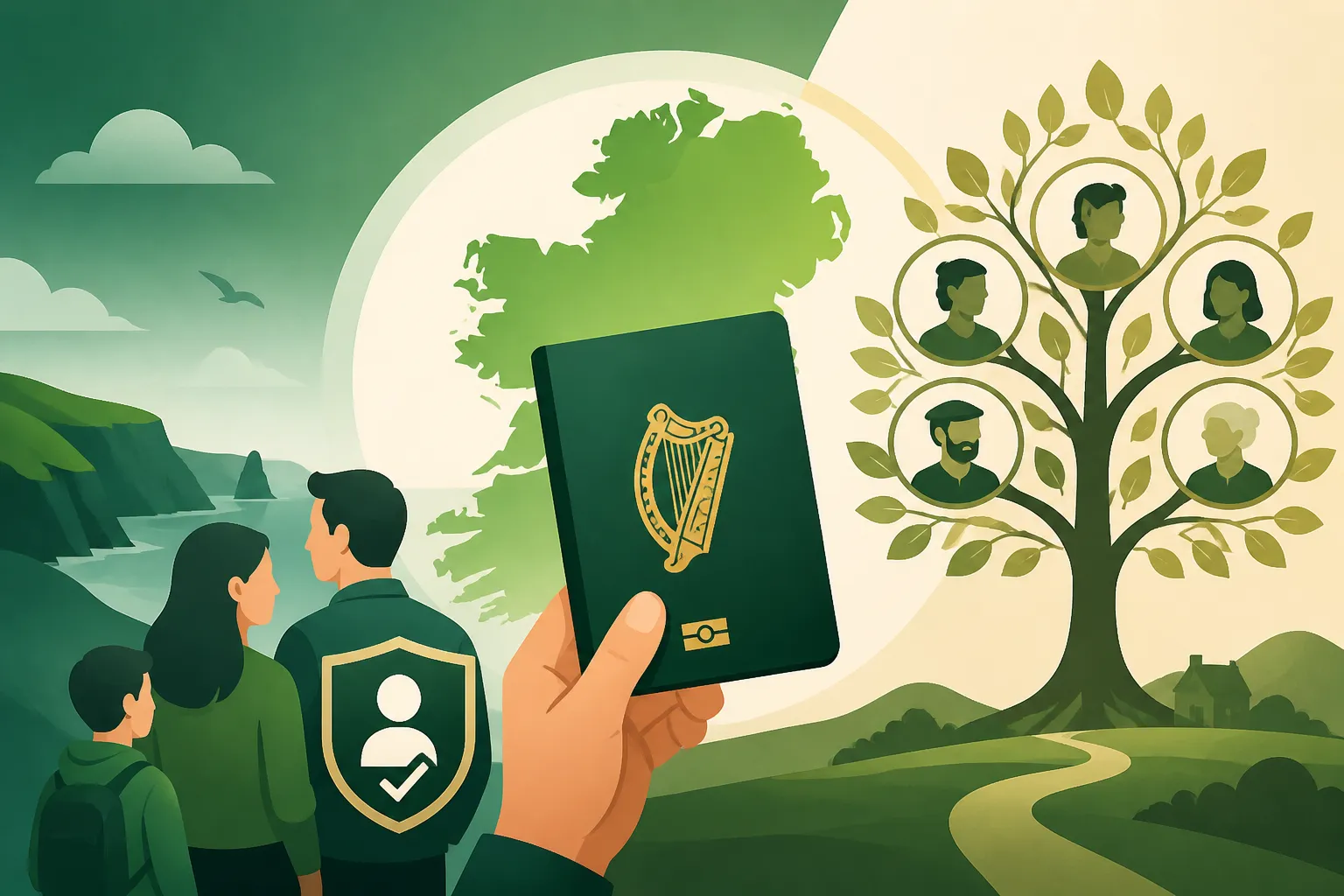
Irish Citizenship: Naturalisation and Citizenship by Descent Explained (2027)
Ah, the journey to Irish citizenship. It's a path many of us expats consider, dream about, and sometimes find utterly baffling. After years of navigating the Irish immigration system, from residence permits to the tantalising thought of an emerald passport, I've heard every frustration and celebrated every success. This guide is here to unravel the complexities of becoming an Irish citizen, whether you're reconnecting with your ancestry or taking the long, rewarding road through naturalisation, ensuring you understand every step and nuance in 2026.
Understanding the Foundation of Irish Citizenship
Becoming an Irish citizen is more than just getting a new passport; it's about officially embedding yourself into the fabric of this incredible country. It's a significant milestone for many expats, a declaration of intent to make Ireland your permanent home, and a commitment to its culture and community. But before you get carried away picturing yourself voting in local elections or representing Ireland in a hypothetical international tea-tasting competition, it’s crucial to grasp the fundamental ways citizenship is acquired here.
What it Means to be an Irish Citizen
For those of us who have lived here on various immigration stamps, the distinction between being a resident and a citizen can feel monumental. As a resident, your right to live and work here is tied to your visa or permit, requiring renewals and adherence to specific conditions. As an Irish citizen, however, you gain undeniable rights and freedoms. This includes the right to live in Ireland without any immigration restrictions, the ability to vote in all elections (local, national, and European), and the right to hold an Irish passport, which is one of the most powerful passports in the world, offering visa-free travel to numerous countries.
Beyond the practicalities, there’s a profound sense of belonging. It means you are fully recognised as part of the nation, entitled to all the privileges and responsibilities that come with it. It means your future here is secure, unshackled from the annual anxiety of IRP card renewals. It's about being able to stand tall and say, "I am Irish," not just in spirit, but legally. It’s also about contributing, participating in civil society, and having a greater stake in the country's future. You’ll find yourself following local politics with a keener interest, understanding that your vote now truly counts in every sphere.
The Core Principles: Jus Sanguinis and Naturalisation
Ireland, like many nations, bases its citizenship laws primarily on two key principles: Jus Sanguinis (right of blood) and Naturalisation.
Jus Sanguinis is essentially about ancestry. If one of your parents was an Irish citizen at the time of your birth, you are generally an Irish citizen, regardless of where you were born. This also extends, in some circumstances, to grandparents, and this is where the famous "Foreign Births Register" comes into play. It's a nod to Ireland's rich diaspora, acknowledging the deep roots and connections that stretch far beyond its shores. It's a truly wonderful aspect of Irish law, recognising that Irishness isn't confined to those born on the island. Many people discover they have a right to Irish citizenship through a parent or grandparent, sometimes to their great surprise and delight, opening up new possibilities for their lives and connections to their heritage.
Naturalisation, on the other hand, is the path for those who weren't born Irish and don't have direct Irish ancestry, but have made Ireland their home. It's about earning your citizenship through continuous residence, demonstrating good character, and having a genuine intention to continue living in Ireland. This is the route most expats take, a testament to their dedication and commitment to building a life here. It’s a process that requires patience, meticulous record-keeping, and a deep understanding of the requirements set out by the Irish government. While it might seem like a bureaucratic maze, it's a well-trodden path for many who eventually celebrate becoming full members of the Irish community. It acknowledges the vital contributions that newcomers make to the country and welcomes them as equals.
Citizenship by Descent: Connecting to Your Irish Roots
For many, the journey to Irish citizenship doesn't begin with a move to Dublin or Cork, but rather with a dusty family tree. Ireland has one of the most generous citizenship by descent policies in the world, a truly unique aspect that celebrates its global diaspora. It's a testament to the strong ties that bind people of Irish heritage, no matter where they were born. For those whose ancestors left Ireland, this route offers a tangible link back to their roots, a way to reclaim a part of their identity and connect with a rich cultural legacy.
Grandparent Rule: Registering on the Foreign Births Register
This is perhaps the most well-known and exciting route for many people abroad. If you have an Irish grandparent who was born in Ireland (or, in some cases, an Irish citizen parent who was born outside Ireland but registered on the Foreign Births Register before your birth), you may be eligible to apply for Irish citizenship. This is done by registering your birth in the Department of Foreign Affairs and Trade’s Foreign Births Register. Think of it as a special registry that legally records your Irish citizenship, even though you weren't born in Ireland.
The process involves gathering a significant amount of documentation to prove your lineage. You'll need your own birth certificate, your parents' marriage certificate (if applicable), their birth certificates, and crucially, your Irish-born grandparent's birth certificate and marriage certificate. Each document needs to be the original or a certified copy, often requiring apostille or legalisation if coming from outside Ireland. The Department also needs proof of identity for all applicants. This paperwork can be daunting, especially if records are scattered across different countries or generations. It requires diligent research and often involves contacting various government archives in your home country and in Ireland. Many applicants find themselves becoming amateur genealogists during this stage, piecing together their family history in intricate detail. The application fee applies per person, and processing times can vary, sometimes taking over a year, so patience is definitely a virtue. It’s vital that you ensure all names, dates, and places on the certificates match perfectly, as even minor discrepancies can lead to delays or refusal.
Great-Grandparent Rule and Beyond: Nuances and Challenges
Now, this is where it gets a little trickier, and it often leads to misunderstandings. Generally, direct citizenship by descent through a great-grandparent is not possible. The primary route is usually restricted to those with an Irish parent or an Irish grandparent born in Ireland.
However, there's a crucial nuance: if your parent obtained Irish citizenship through their Irish grandparent (i.e., your great-grandparent) by registering on the Foreign Births Register before your birth, then you, in turn, may be eligible for Irish citizenship through your parent. Essentially, your Irish great-grandparent allowed your parent to become an Irish citizen, and then your Irish citizen parent allows you to become an Irish citizen. The key here is the timing: your parent must have been registered as an Irish citizen before you were born. If they only got around to it after you were already alive, then that direct link to you is severed. This is a common point of confusion and disappointment for many hopeful applicants who trace their ancestry further back, only to find the critical step wasn't completed in time. It underscores the importance of understanding the precise requirements and the generational cut-off points.
For those whose connection is even further back, say a great-great-grandparent, direct citizenship by descent is typically not available. However, a strong family connection can be a powerful motivator for people to move to Ireland and pursue citizenship via the naturalisation route, even if the ancestral path isn't open. The emotional pull of heritage is strong, and many choose to make Ireland their home precisely because of those deep family ties.
Children Born Abroad to Irish Citizens
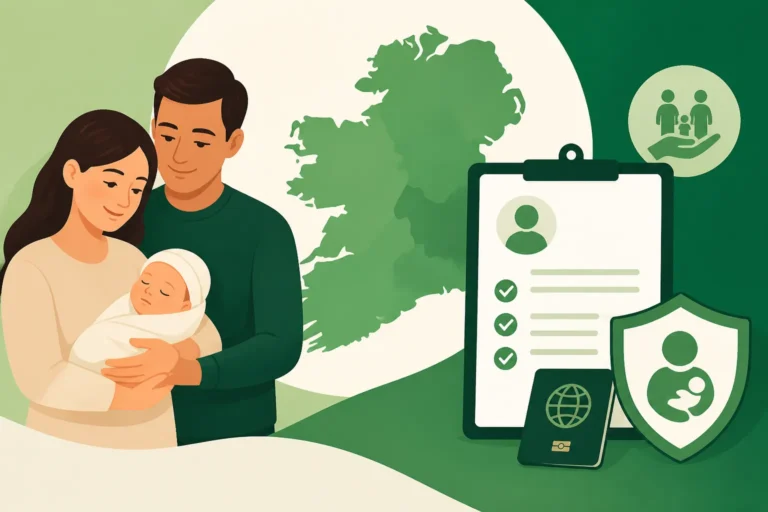
If you are an Irish citizen, and you have a child born outside of Ireland, that child is automatically an Irish citizen by jus sanguinis at birth, provided you were an Irish citizen at the time. This is distinct from the Foreign Births Register, which is for those with an Irish parent or grandparent who were not citizens at the time of your birth but whose lineage allows you to claim citizenship. For your child, if you’re already an Irish citizen, their citizenship is generally automatic.
To get formal recognition and an Irish passport for your child, you’ll typically register their birth with the relevant Irish authorities or simply apply directly for an Irish passport for them. This usually involves presenting your own Irish passport or citizenship certificate, along with their birth certificate and any other required documentation. It’s a much more straightforward process than the Foreign Births Register, as the chain of citizenship is unbroken and direct. This provision ensures that Irish citizenship continues through generations, maintaining the strong bonds of family and heritage across the globe.
Naturalisation: Earning Your Irish Passport
For many expats, myself included, naturalisation is the path to truly calling Ireland home. It's a journey that requires commitment, patience, and meticulous attention to detail. This isn't about inherited rights; it's about demonstrating your dedication to Ireland through your actions and your presence. It's a big step, one that often comes after years of living, working, and contributing to Irish society on various immigration permissions. You've navigated the visa system, perhaps started a job, found your community, and now you're ready to make that final, binding commitment.
Eligibility Criteria: The Road to Reckonable Residence
The cornerstone of naturalisation is proving your residence in Ireland. The Department of Justice is very clear on this: you generally need a minimum of five years' reckonable residence in the State out of the preceding nine years. Crucially, this must include a continuous period of 12 months' residence immediately before the date of your application.
What counts as "reckonable residence"? This is where many people get tripped up. Generally, it means time spent legally in Ireland with an appropriate immigration stamp (like a Stamp 1, Stamp 4, or Stamp 2 for students with limitations). Time spent on a Stamp 0 or as a tourist typically doesn't count. Each day you spend outside the State might be subtracted, and significant gaps can reset the clock or make your application much harder. This is why keeping a detailed record of your entry and exit stamps, IRP cards, and any periods of absence is absolutely paramount. The Department really drills down into this, so don't be surprised if they ask for evidence of your physical presence, not just your permission to reside. For more detailed information on this, you might find the guide on Understanding the Reckonable Residence Requirement for Citizenship in Ireland incredibly helpful. It can feel like being under a microscope, but it's simply the system's way of ensuring you've genuinely made Ireland your home.
The Importance of "Good Character" and Statutory Declarations
Beyond the years of residence, the Irish government places significant emphasis on an applicant's "good character." This isn't just a vague term; it means you must demonstrate that you are a law-abiding individual with a clean record. When you apply, you'll be asked to provide details of any criminal convictions, both in Ireland and in any other country where you have resided. This includes traffic offences, so don't think a speeding ticket goes unnoticed! You’ll also be required to make a statutory declaration, a formal legal statement affirming your good character and providing accurate information.
The Department of Justice will conduct Garda (police) vetting checks in Ireland and may request police clearance certificates from other countries where you've lived. Any serious convictions, or a pattern of minor offences, could jeopardise your application. It’s about ensuring that those who become Irish citizens uphold the laws and values of the society they are joining. If you have had minor issues, it’s always best to be completely transparent and provide an explanation. Trying to conceal something will almost certainly lead to a refusal and potentially future immigration problems. It's a fundamental part of the trust involved in this significant step.
Language and Civics Requirements
Unlike some other countries, Ireland does not have a formal language test (like B1 English) or a specific civics test as a mandatory requirement for naturalisation. This often comes as a surprise to applicants from other systems. However, this doesn't mean language isn't important. The application form (Form 8) and all communication from the Department of Justice are in English (or Irish). You need to be able to understand and complete the forms accurately, and potentially attend an interview, though these are rare.
While there's no official "Irish history" or "constitution" test, the expectation is that as someone applying for citizenship, you are engaged with and aware of Irish society, its norms, and its governance. Your ability to integrate and participate in daily life, from understanding your bills to interacting with local services, inherently relies on a certain level of English proficiency. The lack of a formal test is perhaps a reflection of Ireland's inclusive approach, trusting that years of residence and active participation naturally lead to these competencies. However, it's still good practice to be well-versed in Irish current affairs and history, as it deepens your connection to the country you are making your own.
The Naturalisation Application Process: A Step-by-Step Guide
Embarking on the naturalisation process can feel like preparing for a marathon, not a sprint. It’s detailed, demanding, and requires a steady hand. Many expats often underestimate the sheer volume of paperwork and the precision required. But don't despair – with a clear understanding of the steps and a methodical approach, it's entirely manageable.
Gathering Your Documents: The Paperwork Mountain
This is often the most time-consuming part, and honestly, it can feel like you're trying to prove your entire life story through a stack of papers. You'll need:
- Your current passport and all previous passports: The Department scrutinises these for entry and exit stamps to confirm your reckonable residence.
- Your Irish Residence Permit (IRP) card: This is crucial for proving your legal residence status over the years. Keep every single one you’ve ever been issued. Find out more about The Complete Guide to the IRP Card and Registering with Immigration (2027) here.
- Proof of address: Utility bills (ESB, gas, broadband), bank statements, official letters – anything that clearly shows your name and address in Ireland for the required period. Aim for consistency across documents.
- Proof of income/financial stability: Payslips, P60s, statements from Revenue (the Irish tax authority), or business accounts if self-employed. They want to see that you're economically integrated.
- Birth certificate: Your original birth certificate, often requiring translation and legalisation if it's not in English or Irish and from outside the EU/EEA. This is a common requirement for How to Get Your Documents Apostilled for Irish Immigration.
- Marriage certificate (if applicable): Again, original and possibly translated/legalised.
- Evidence of "good character": This will include a statutory declaration, and the Department may seek Garda vetting or police clearance certificates from other countries where you have lived for more than six months.
- Photographs: Passport-style photographs meeting specific requirements.
The sheer volume and the need for original or certified copies can be overwhelming, especially if you’ve moved countries multiple times. Gathering your documents, especially if you're pulling old records from back home, can be a monumental task. Sometimes it feels like you're moving your whole life story, piece by piece, and having resources like Sirelo to help navigate international relocations or document transfers can make a real difference in the early stages of this kind of significant life event. Be prepared to dedicate serious time to this stage, creating a checklist and ticking off each item methodically.
Completing Form 8: Avoiding Common Pitfalls
Form 8 is the official application form for naturalisation, and it's extensive. It’s downloadable from the Department of Justice website. Every single box needs to be filled accurately and completely. Leaving sections blank or providing inconsistent information is a surefire way to invite delays or even rejection.
Common pitfalls include:
- Inconsistent dates: Ensure all dates (of arrival, departure, residence, IRP renewals) match up perfectly across all your documents and the form.
- Incomplete travel history: You must list every absence from Ireland, no matter how short. Dig out old flight tickets, passport stamps, and even digital itineraries to get this right. The Department will cross-reference.
- Understating or misrepresenting information: Honesty is the best policy. If there are gaps in residence, or minor issues, explain them clearly and concisely.
- Not providing supporting evidence: If you mention something on the form, you must back it up with a document. For instance, if you changed address, provide evidence for all your previous Irish addresses.
- Signatures: Ensure all required signatures, especially on the statutory declaration, are witnessed correctly by an authorised person (e.g., a Notary Public or Commissioner for Oaths).
Take your time with Form 8. Read every question twice. Many applicants print it out, fill a draft in pencil, then meticulously transfer it to the official form. Consider seeking assistance from a qualified immigration solicitor, especially if your case is complex or your residence history has gaps. The investment now can save you months, if not years, of headaches later.
Submission, Fees, and Waiting Times
Once your paperwork mountain is assembled and Form 8 is perfectly filled, it's time for submission. The application must be sent by registered post to the Citizenship Division of the Department of Justice. As of my last check, the application fee for an adult is quite substantial – €175 for the application itself, plus a certificate fee of €950 if your application is successful. There are different fees for children. It's a significant financial commitment, so ensure you're ready before hitting send.
Then comes the waiting game. Oh, the waiting game. Processing times for naturalisation applications in Ireland have historically varied wildly, often taking anywhere from 12 months to over two years, and sometimes even longer in complex cases. The Department has made efforts to streamline the process, but the sheer volume of applications means it will never be a quick turnaround. You'll receive an acknowledgement letter, and later, if they need more information, a request for further documentation. Resist the urge to constantly call or email for updates, as this can actually slow down the process. They will contact you when they have an update. For those who are moving to Ireland, understanding the broader context of immigration and permissions is key, and guides like The Complete Guide to Irish Visas and Immigration Permission for Expats (2027) can offer more context on the administrative side of living here. Patience, deep breaths, and trust in the process are your best companions during this period.
The Impact of Life Changes and Maintaining Status
Life is dynamic, and during your journey towards Irish citizenship, you might experience significant personal changes. These shifts, from marriage to having children, can interact with your citizenship application in various ways, sometimes simplifying things, other times adding layers of complexity. It's crucial to understand how these life events fit into the overall immigration framework.
Marriage to an Irish Citizen and Specific Provisions
It’s a common misconception that marrying an Irish citizen automatically grants you citizenship. While marrying an Irish citizen does indeed simplify your immigration status and can potentially accelerate your path to long-term residency (like a Stamp 4), it does not automatically give you Irish citizenship. You still need to apply for naturalisation in your own right, meeting the general criteria, albeit with slightly adjusted reckonable residence requirements.
If you are married to, or in a civil partnership with, an Irish citizen, the residence requirement for naturalisation is typically reduced. Instead of five out of nine years, you generally need three years of reckonable residence out of the preceding five years, with the continuous 12 months immediately prior to application. This is a significant advantage, potentially shaving off two years from the standard requirement. The good character and future intention to reside requirements still apply fully. The Department will scrutinise the genuineness of the marriage, requiring proof of cohabitation and a shared life. This is where guides on How to Apply for a Spouse Visa to Join My Partner in Ireland? or Family Reunification in Ireland: Bringing Your Spouse and Children (2027) can be particularly relevant for understanding initial family immigration. It's a more streamlined path, but certainly not an instant one.
Children Born in Ireland to Non-Irish Citizens
Prior to 2005, anyone born in Ireland automatically acquired Irish citizenship, regardless of their parents' nationality. However, a constitutional amendment in 2004 changed this. Now, if a child is born in Ireland to non-Irish citizens, they do not automatically get Irish citizenship.
The rule is that at least one parent must be an Irish citizen, a British citizen, or have been lawfully resident in the State for at least three of the four years immediately preceding the child's birth (this means holding appropriate immigration stamps like Stamp 1 or Stamp 4, not just visitor visas). This change was significant and aimed to address issues around 'birth tourism'. If your child is born in Ireland and you, the parents, meet these residency criteria, your child can then apply for Irish citizenship. This is often a straightforward process once the parent's residency is established. If you don't meet these criteria, your child will take on your nationality, and their immigration status will typically be tied to yours. Understanding How EU/EEA and Non-EEA Citizens Move to Ireland: The Full Guide (2027) provides a broader overview of how different nationalities interact with Irish immigration laws, which can be pertinent for families.
Dual Citizenship: What You Need to Know
Ireland is quite progressive when it comes to dual citizenship – they embrace it! The Irish Constitution does not prohibit an Irish citizen from holding citizenship of another country simultaneously. This means that if you naturalise as an Irish citizen, you generally do not need to renounce your original citizenship, provided your home country also allows dual nationality.
This is a huge relief for many expats, as it allows them to maintain strong ties and rights in their country of origin while fully integrating into Irish society. However, the critical point here is that your original country must also permit dual citizenship. Some countries automatically revoke your citizenship if you acquire another. So, before you apply for Irish naturalisation, it is absolutely essential to check the laws of your country of origin regarding dual nationality. Don't assume; verify. Losing your original citizenship unintentionally can have significant consequences, especially concerning property, inheritance, and travel. It’s a point that cannot be stressed enough – understand both sides of the dual citizenship coin before committing.
After the Application: The Citizenship Ceremony and Beyond
Congratulations, you've submitted your application, navigated the waiting period, and received that glorious letter! The journey isn't quite over, but the final steps are truly celebratory. This is where your hard work and patience culminate in a truly memorable experience, marking the official beginning of your life as an Irish citizen.
The Citizenship Ceremony: A Momentous Occasion
If your application for naturalisation is successful, the Department of Justice will invite you to a formal Citizenship Ceremony. These ceremonies are incredibly special and are usually held in Dublin, often at the Convention Centre. They are presided over by a retired High Court Judge or a designated official. It’s not just a formality; it’s a public celebration of your commitment to Ireland and Ireland’s acceptance of you.
At the ceremony, you will take an Oath of Fidelity to the Irish Nation and loyalty to the State, and you will receive your Certificate of Naturalisation. You'll join hundreds of other new citizens from all corners of the globe, all sharing in the same joyous moment. It’s an emotional experience for many, a culmination of years of living and working here, overcoming challenges, and building a life. Family and friends are often invited to witness the occasion, making it even more meaningful. I’ve been to a few, and the atmosphere is always electric, full of hope and happiness. It's a powerful reminder of how diverse and welcoming Ireland has become.
Applying for Your First Irish Passport
Once you have your Certificate of Naturalisation in hand, the very next step for most new citizens is to apply for an Irish passport. This is your tangible proof of citizenship, your key to visa-free travel, and perhaps the most exciting part of the entire journey!
You'll apply to the Passport Service, either online via Passport Online (if eligible, which most new naturalised citizens are) or through a paper application at a post office. You’ll need your original Certificate of Naturalisation, your previous passport, and a completed application form, along with specific passport-sized photographs. The process is generally quite straightforward once you have your citizenship certificate. The turnaround time for passports can vary, so if you have travel plans, apply well in advance. Holding that green passport for the first time is an unparalleled feeling of achievement and freedom.
Rights, Responsibilities, and Continued Integration
With Irish citizenship comes a full suite of rights and, importantly, responsibilities. You now have the right to vote in all elections, to run for public office, to work and reside in Ireland (and other EU countries if you choose) without restriction, and to seek consular assistance from Irish embassies abroad.
But citizenship isn't just about rights; it's also about continued integration and contribution. It means actively participating in your community, paying your taxes, respecting the laws, and engaging with the democratic process. It means fostering a sense of shared community and contributing to the betterment of Irish society. While the formal journey of becoming a citizen may be complete, the journey of being an active, engaged member of the Irish nation continues. This includes ensuring all your life's practicalities are in order, from voting to having comprehensive health coverage. Even as a citizen, knowing you have comprehensive health coverage, whether through the public system or a private provider like Cigna Global, offers incredible peace of mind and is a foundational aspect of being settled here. It's about living fully as part of your adopted homeland.
Common Challenges and Expert Tips for Applicants
The path to Irish citizenship, whether through ancestry or naturalisation, is rarely without its bumps. It's a detailed, administrative process that can sometimes feel overwhelming. Having supported many expats through this, I've seen firsthand the common hurdles and the best ways to clear them. It's about anticipating issues and knowing where to turn for help.
Addressing Complex Residence History and Gaps
One of the biggest headaches for naturalisation applicants is a complex or discontinuous residence history. Life happens, and expats often travel for work, visit family, or even lived in other countries before settling in Ireland. The Department of Justice is very strict on "reckonable residence" and the "continuous 12-month period."
- Be meticulous with dates: Go through every passport, every visa, every travel itinerary. Create a spreadsheet detailing every entry and exit. If you had an IRP card, check its validity period against your physical presence. Any unexplained gaps will raise red flags.
- Provide explanations: If you have significant absences, or periods where your immigration status was unclear, provide a clear, concise, and truthful explanation with supporting evidence if possible. For example, if you were abroad for a family emergency, include relevant documentation.
- Don't apply prematurely: If you know your residence history is patchy, don't rush your application. It's better to wait until you undeniably meet the criteria, particularly the continuous 12 months immediately preceding the application. Trying to squeeze through with insufficient residence will only lead to refusal and wasted fees. Remember, information on How to Renew Your IRP and Immigration Permission in Ireland is crucial for maintaining continuous lawful residence.
Dealing with Refusals and Appeals
A refusal can be incredibly disheartening, especially after investing so much time, effort, and money. However, a refusal is not necessarily the end of the road.
- Understand the reason: The refusal letter will state the grounds for the decision. Read it carefully. Was it due to insufficient reckonable residence? Lack of good character? Missing documents?
- Consider an appeal/review: You may have the option to seek a review of the decision, usually within a specified timeframe (e.g., 30 days). This review is typically based on the original application and any new information you can provide to address the refusal grounds.
- Reapply: In some cases, if the issue is easily rectifiable (e.g., you now meet the residence criteria, or you can obtain a missing document), it might be better to address the issue and submit a completely new application when you are more confident it meets all requirements.
- Seek legal advice: This is where professional help is almost indispensable. An immigration solicitor can review your refusal letter, assess the strength of a review, or advise on the best course of action for a reapplication.
It's a tough pill to swallow, but staying calm and analytical is key. Many successful citizens have faced initial setbacks, learning from the experience to refine their next attempt.
Seeking Professional Advice
While this guide provides extensive information, individual circumstances can be incredibly complex. There are times when going it alone is simply not the best strategy.
- Complex family history: If you're applying by descent and your family lineage has unusual circumstances, or you're dealing with very old/missing documents, a solicitor specialising in genealogy or immigration law can be invaluable.
- Complicated residence history: If you've had multiple changes in immigration status, significant absences from the State, or periods where your residence might be questioned, an immigration solicitor can help you properly calculate reckonable residence and present your case effectively. They are experts in interpreting the nuances of immigration stamps as described in Understanding the Irish Immigration Stamp System (Stamp 1, 2, 4) (2027).
- "Good character" concerns: If you have any criminal record, no matter how minor, it's wise to consult a solicitor to understand how this might impact your application and how best to disclose it.
- Language barriers or comfort level: If you're not comfortable with the intricacies of legal forms and official communication, a solicitor can ensure everything is filled out correctly and professionally.
While legal fees are an additional cost, the peace of mind and the increased likelihood of a successful outcome can be well worth the investment. Don't let pride or a desire to save a few quid jeopardise years of hard work. The goal is to get that certificate in your hand, and sometimes, the shortest path is with expert guidance.
Disclaimer
Please note that the information provided in this guide is for general informational purposes only and is subject to change. Immigration laws and procedures in Ireland are complex and can be updated by the government at any time. This content does not constitute legal advice. Always consult with the official government websites (such as the Department of Justice and the Department of Foreign Affairs) or a qualified immigration solicitor for advice tailored to your specific circumstances. While every effort has been made to ensure accuracy as of 2026, we cannot guarantee that all information is completely up-to-date or applicable to your individual situation.