How Specialist and Consultant Referrals Work in Ireland
One of the most jarring experiences for any expat moving to Ireland is realizing that you cannot simply pick up the phone and book an appointment with a dermatologist, cardiologist, or orthopedist. In many countries, direct access is the norm, but in Ireland, the "gatekeeper" system can feel like an impenetrable wall. This guide breaks down exactly how to navigate the referral process, from your first GP visit to finally sitting in a consultant’s office.
The Foundation of the Irish Referral System
If you have recently relocated to the Emerald Isle, you might be surprised by the rigid hierarchy of the medical system. Unlike some private-heavy systems where specialists compete for patients, the Irish system is designed around the General Practitioner (GP) as the central hub of your care. You must understand that in almost every scenario, a specialist—referred to here as a "consultant"—will not see you without a formal letter from a GP. This is true whether you are using the public Health Service Executive (HSE) or paying for private care.
Why You Cannot Just Call a Consultant Directly
The logic behind the gatekeeper system is twofold: efficiency and clinical necessity. The Irish medical board believes that GPs are best equipped to handle about 90% of all medical complaints. By requiring a referral, the system ensures that consultants are only seeing patients who truly require specialized diagnostics or surgical interventions. For an expat used to "self-referring" for a mole check or a persistent cough, this can feel like an unnecessary delay. However, trying to bypass this by calling a private clinic like the Blackrock Clinic or the Mater Private will usually result in the receptionist asking, "Who is your referring GP?" Before you even start looking for a specialist, you need to know How to Find and Register with a Local GP Practice in Ireland.
The Role of the GP as the Gatekeeper
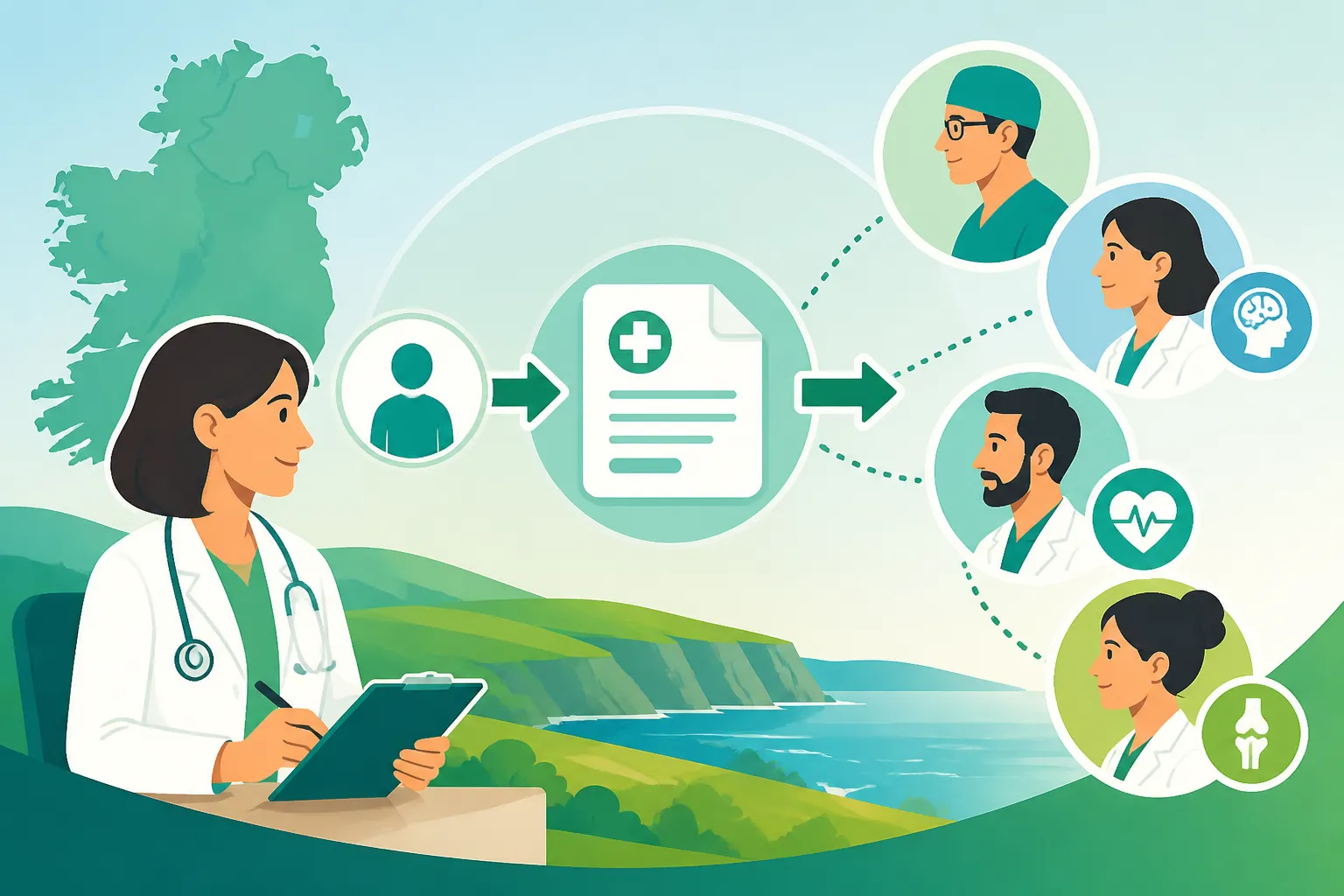
Your GP is more than just a doctor who treats the flu; they are the coordinator of your entire medical history in Ireland. When you present a problem that requires a specialist’s eye, the GP evaluates the severity of your condition. They then write a referral letter that outlines your symptoms, previous treatments, and the urgency of the matter. This letter is the "golden ticket" that opens the door to secondary care. Because the GP knows the local landscape, they often have specific consultants they prefer to work with. If you are just starting your journey, it is vital to understand Registering with a GP in Ireland: The Complete Expat Guide (2027) to ensure you have this essential point of contact.
Public vs Private Referral Pathways
The most critical decision you will make during your GP consultation is whether you want to be referred as a public patient or a private patient. This choice dictates everything from the length of your wait to the cost of the consultation. If you choose the public route, your referral is sent to a public hospital, and you are placed on a central waiting list. If you choose the private route, your GP sends the letter to a specific consultant’s private rooms. Many expats find that Public vs Private Healthcare in Ireland: Which Should Expats Choose? is the most important question to answer before they ever get sick, as the differences in wait times can be measured in years.
Navigating the Public Referral System (HSE)
The public system is designed to provide care based on clinical need rather than the ability to pay. While the quality of care in public hospitals like St. James’s in Dublin or University Hospital Galway is excellent, the volume of patients means the administrative side can be slow. When your GP sends a public referral, it enters a "triage" system. A consultant at the hospital reviews the letter and assigns it a priority: Urgent, Soon, or Routine.
Understanding Public Hospital Waiting Lists
It is no secret that Ireland struggles with long waiting lists in the public sector. For a "Routine" referral—perhaps a non-emergent sinus issue or a slow-growing cataract—it is not uncommon to wait 12 to 24 months for an initial consultation. For those moving from countries with instantaneous care, this can be a massive shock. You can check the National Treatment Purchase Fund (NTPF) website for anonymized data on wait times, but the reality on the ground often feels more opaque. This is one reason why many newcomers find Understanding How Ireland's Health System Works: The HSE vs Private Explained (2026) so essential for managing their expectations.
How Triage Works in the Public System
Once your GP sends the referral, it is categorized. An "Urgent" referral might get you seen within weeks, especially if there is a suspicion of something serious like cancer or a major cardiac event. A "Soon" referral usually aims for a few months, while "Routine" covers everything else. The frustration for many expats is that "Routine" does not mean "unimportant." It simply means not life-threatening in the immediate future. If your condition worsens while you are waiting, you must go back to your GP so they can send an "update" letter to the hospital to potentially upgrade your triage status.
Patient Rights and the National Treatment Purchase Fund
If you have been on a public waiting list for an excessive amount of time—usually longer than six months for certain procedures—you may be eligible for the National Treatment Purchase Fund (NTPF). This is a government initiative that pays for public patients to be treated in private hospitals to clear the backlog. It is not something you can easily apply for yourself; the hospital usually contacts you if you qualify. However, being aware of it allows you to ask the hospital’s appointments office specifically if you are being considered for NTPF funding. Understanding these nuances is part of Navigating the Irish Healthcare System: An Expat's Roadmap (2027).
Going Private: The Faster Alternative
For those who cannot afford to wait years for a diagnosis, the private system is the standard path. In the private sector, the referral process is much more direct. You still need that GP letter, but once it is sent to a private consultant, you are often seen within two to four weeks. The "private" label refers to the fact that you (or your insurance) are paying the full cost of the consultant’s time and the hospital facilities.
How to Request a Private Referral
When you are sitting in the GP’s office, you must explicitly state, "I would like to see a consultant privately." If you don’t say this, the GP might assume you want the public route to save money. If you have insurance through a provider like SafetyWing or a local Irish firm, your GP will usually ask for the name of the consultant you’d like to see, or they will recommend one they trust. The GP then faxes or emails the letter directly to the consultant’s private secretary. You will then receive a call or letter with an appointment time. This is why How to Access Specialist Care Through Private Insurance in Ireland is a frequent topic of conversation among the expat community.
Consultant Fees and Out-of-Pocket Costs
Going private is fast, but it is not free. A first-time consultation with a private specialist in Ireland typically costs between €150 and €250. This fee is usually paid on the day of the visit. If the consultant orders tests—like an MRI, blood work, or an X-ray—these are billed separately. It is vital to check if your insurance policy covers these outpatient costs. Some plans require you to pay upfront and claim back, while others have "direct settlement" for more expensive procedures. For a clearer picture of these expenses, see The Cost of Healthcare in Ireland: A Complete Breakdown for Foreigners (2026).
The Importance of Private Health Insurance
While you can "self-pay" for a private consultation, the costs of actual treatment (like surgery or a hospital stay) in a private facility are astronomical. This is where private health insurance becomes mandatory for peace of mind. For expats, having a plan from SafetyWing can be a lifesaver, especially during the initial months when you might be waiting for a PPS number or local insurance to kick in. Most private hospitals, such as the Beacon Hospital in Dublin, are accustomed to dealing with both local and international insurers. To understand your options, read Health Insurance in Ireland: VHI, Laya, Irish Life and Options Explained.
The Referral Process Step-by-Step
Understanding the theory is one thing, but knowing the "to-do" list is what actually gets you through the door. The process is a sequence of events that requires you to be proactive. If you sit back and wait for the system to work perfectly, you might find yourself lost in a filing cabinet.
The Initial GP Consultation
Your journey begins at the GP clinic. Be prepared to explain your symptoms clearly. If you have had previous treatment for the condition in your home country, bring those records with you. The GP needs a reason to refer you. If they believe the issue can be managed with a simple prescription, they won't write the referral. Be firm but respectful about your desire for a specialist opinion. For more on what to bring, check What Documents Do I Need to See a Doctor in Ireland?.
Tracking Your Referral Letter
Once the GP says they will send the referral, the "tracking" phase begins. In the public system, you should receive an "acknowledgment letter" from the hospital within two to three weeks stating they have received the referral. If you don't get this, call your GP to ensure it was sent, and then call the hospital’s central appointments office. In the private system, the consultant’s secretary is your point of contact. Don't be afraid to ring them a few days after your GP visit to see if they have a slot available. Persistence is key in the Irish health landscape.
Preparing for Your First Consultant Appointment
When the day finally arrives, bring your referral letter (if you have a physical copy), a list of current medications, and your insurance details. If you are using international coverage like SafetyWing, have your policy number and the "proof of insurance" document ready. The consultant will perform an assessment and decide on a treatment plan. If you need surgery, they will explain whether this will happen in a public or private facility. Understanding How Specialist and Consultant Referrals Work in Ireland is mostly about knowing who to call and when.
Comparing Public and Private Specialist Care
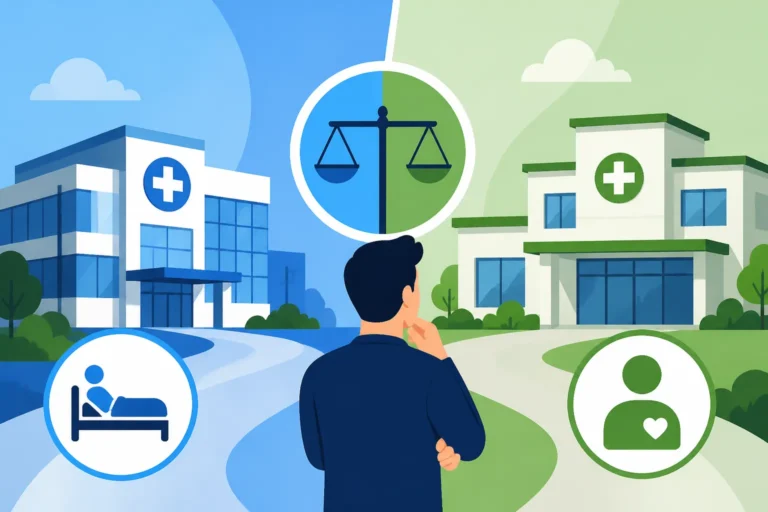
Choosing between the two paths is a trade-off between cost and time. There is no difference in the clinical expertise of the doctors—in fact, most consultants in Ireland work in both public and private hospitals. The difference lies entirely in the "hotel" aspects of the hospital and the speed of access.
| Feature | Public Specialist Care (HSE) | Private Specialist Care |
|---|---|---|
| Wait Time (Initial) | 6 months to 2+ years | 1 to 4 weeks |
| Consultation Fee | Free (with Medical Card) or nominal | €150 – €250 |
| Choice of Doctor | No (assigned by the hospital) | Yes (you can choose your consultant) |
| Hospital Room | Multi-occupancy ward (often 4-6 beds) | Semi-private or Private room |
| Diagnostics (MRI/CT) | Long wait unless urgent | Usually within days |
| Follow-up Care | Can be inconsistent (different doctors) | Consistent (same consultant) |
Quality of Care vs. Speed of Access
It is important to emphasize that if you are in a car accident or have a heart attack, the public system is world-class. You will be rushed to an Emergency Department and see a consultant immediately. The referral system we are discussing is for "elective" or non-emergency care. In these cases, the private system is almost always preferable if you have the means or the insurance. Many expats who are here on work permits find that Is Public or Private Healthcare Better for Expats in Ireland? depends entirely on their specific health needs and budget.
Facility Access and Choice of Consultant
In the private system, you can research consultants online, look at their specialties, and ask your GP to refer you to a specific person. This level of autonomy is highly valued by expats. In the public system, you are referred to the "Department of Cardiology" or "Department of Orthopaedics," and you will see whichever consultant or "Registrar" (a senior doctor training to be a consultant) is on duty that day. For more on the specific hospitals available, you might look into How to Use Private Hospitals Like the Mater, Beacon and Blackrock in Ireland.
Special Considerations for Expats and Newcomers
Moving your health life across borders adds a layer of complexity to the referral process. You aren't just a new patient; you are a patient with a "ghost" medical history that exists in another country’s database.
Transferring Medical Records from Abroad
One of the biggest mistakes newcomers make is assuming their Irish GP can "pull" their records from their home country. They cannot. You must take the initiative to get your records—ideally in digital format or a translated paper copy—before you leave. When you go for your referral consultation, having your previous imaging (like an MRI on a USB drive) or pathology reports can save you from having to repeat expensive tests in Ireland. If you are still in the process of moving, read The Complete Guide to Moving to Ireland: Your First 90 Days (2027) for more logistical tips.
Using International Insurance and SafetyWing
If you are a digital nomad or a new expat who hasn't yet settled into a long-term Irish health insurance plan, international providers like SafetyWing are vital. They are particularly useful because they often cover you in multiple countries, which is great if you are traveling back and forth. When seeking a referral, ensure the consultant’s office knows you have international coverage. Some offices may require you to pay upfront and seek reimbursement from SafetyWing later, so keep every single receipt and a copy of the referral letter.
Finding English-Speaking Specialists
While English is the primary language in Ireland, the medical community is incredibly diverse. You will find consultants from all over the world. If you have a specific linguistic preference or need a doctor who understands a specific cultural context, you can mention this to your GP. Most GPs are happy to help you find a consultant where you feel comfortable. If you are specifically in the capital, Where Can I Find an English-Speaking Doctor in Dublin? can provide more localized advice.
Common Challenges and How to Overcome Them
Even with a perfect referral letter, things can go wrong. The Irish healthcare system is under pressure, and administrative errors happen. Being your own advocate is the only way to ensure you don't fall through the cracks.
What to Do If Your Referral Is Declined
Occasionally, a hospital might "reject" a referral. This usually happens if the consultant feels the GP hasn't provided enough information or if they believe the condition should be managed in primary care. If this happens, don't panic. Go back to your GP. Ask them to call the consultant’s secretary for a "peer-to-peer" chat. Often, a quick phone call between doctors can clear up a misunderstanding and get the referral back on track.
Managing Long Wait Times Mentally and Physically
If you are stuck on a public waiting list, the wait can be demoralizing. During this time, keep a log of your symptoms. If things get worse, don't just suffer in silence. Every "flare-up" is a reason to contact your GP. They can send an "expedite" letter. While it doesn't guarantee a faster spot, it keeps your file active and moving. For those who find the wait unbearable, exploring How Much Does Private Health Insurance Cost in Ireland in 2026? might reveal that a basic plan is more affordable than you thought, potentially allowing you to switch to the private path midway through.
Disclaimer
This guide is intended for informational purposes only and does not constitute professional medical or legal advice. Healthcare regulations and waiting times in Ireland are subject to change. Always consult with a qualified General Practitioner (GP) or a legal expert regarding your specific circumstances and insurance coverage. The author is a lifestyle blogger and expat, not a medical professional.