How Do I Pay My Electricity Bill Online in Ireland?
Moving to Ireland is an exciting adventure, but let's be honest, getting those initial administrative bits sorted can feel like trying to untangle a ball of yarn after a cat's had its way with it. One of the first and most crucial hurdles is setting up your home utilities, and getting your head around electricity bills – let alone figuring out how to pay them online – can be a real head-scratcher. This guide is here to walk you through the ins and outs of paying your electricity bill online in Ireland, ensuring you stay powered up without the unnecessary stress.
Understanding Your Electricity Bill in Ireland
When you first arrive, everything feels new, and that often extends to how things work, right down to your utility bills. In Ireland, electricity bills can seem a bit cryptic at first glance, but once you break them down, they make a lot more sense. Most suppliers send out bills every two months, or bi-monthly, which is a fairly standard cycle here.
The Anatomy of an Irish Electricity Bill
Your electricity bill isn't just a single number; it's a breakdown of several components that contribute to your total usage and charges. Understanding each part helps you keep track of your consumption and costs.
First, you'll see your Meter Reading, which is the amount of electricity you've consumed. This might be an 'Actual' reading, taken by a meter reader or submitted by you, or an 'Estimated' reading, which is based on your past usage. Always aim for actual readings to avoid surprises. Then there's the Unit Rate, which is the price per unit (kilowatt-hour, or kWh) of electricity you use. This can vary depending on your tariff, so it's worth checking if you're on a single rate or a day/night rate.
Beyond consumption, there are Standing Charges, which are fixed daily or bi-monthly fees that cover the costs of providing electricity to your home, regardless of how much you use. You'll also encounter the Public Service Obligation (PSO) Levy, a government-mandated charge that supports renewable energy and energy efficiency initiatives. Finally, don't forget VAT (Value Added Tax), which is applied to all these charges. The current VAT rate on electricity in Ireland is 13.5%, though this can change. Seeing all these line items for the first time can be a bit overwhelming, but know that they’re standard across all suppliers.
Meter Readings: Estimated vs. Actual
As mentioned, your bill might be based on an 'Estimated' or 'Actual' meter reading. An estimated bill is essentially your supplier guessing how much electricity you've used based on your previous consumption patterns. While convenient, it can sometimes be inaccurate, leading to you either overpaying or underpaying. If you underpay, you'll face a larger bill down the line to cover the difference.
That's why it's always best to submit your own 'Actual' meter readings. Most suppliers make this easy to do online or through their apps. If you have a traditional meter, you simply read the numbers displayed. If you've been upgraded to a smart meter, things get even easier, as these often send readings automatically to your supplier, removing the need for manual submissions entirely. It gives you so much more peace of mind knowing your bill reflects your real usage, not just a best guess.
Your Options for Paying Electricity Bills Online
The good news is that paying your electricity bill online in Ireland is incredibly convenient, offering several flexible options to suit your preferences. Gone are the days of needing to physically queue up at the post office or a payment point, which, let's face it, is a huge relief when you're still finding your feet here.
Direct Debit: The Set-and-Forget Solution
For many expats, setting up a direct debit is the preferred method for bill payment, and for good reason. Once it's set up, the payment is automatically deducted from your bank account on a specific date, meaning you never have to worry about missing a payment or incurring late fees. This truly is the "set it and forget it" option, allowing you to focus on more pressing matters, like exploring the stunning Best Places to Live in Ireland for Expats: A Complete Guide.
Most electricity suppliers in Ireland actively encourage direct debit payments, often offering a small discount on your unit rates or standing charges for choosing this method. It's a win-win: they get consistent payments, and you save a few quid. To set this up, you'll typically need to provide your bank account details (IBAN and BIC) to your electricity provider, either through their online portal or by filling out a form. Just ensure you always have enough funds in your account to cover the payment on the due date, as a failed direct debit can sometimes incur a fee from your bank or supplier.
Online Account & One-Off Payments: Full Control at Your Fingertips
If you prefer to have more direct control over when and how much you pay, using your supplier's online account portal for one-off payments is an excellent alternative. Every major electricity provider in Ireland, be it Electric Ireland, Bord Gáis Energy, SSE Airtricity, or others, offers a secure online platform where you can manage your account.
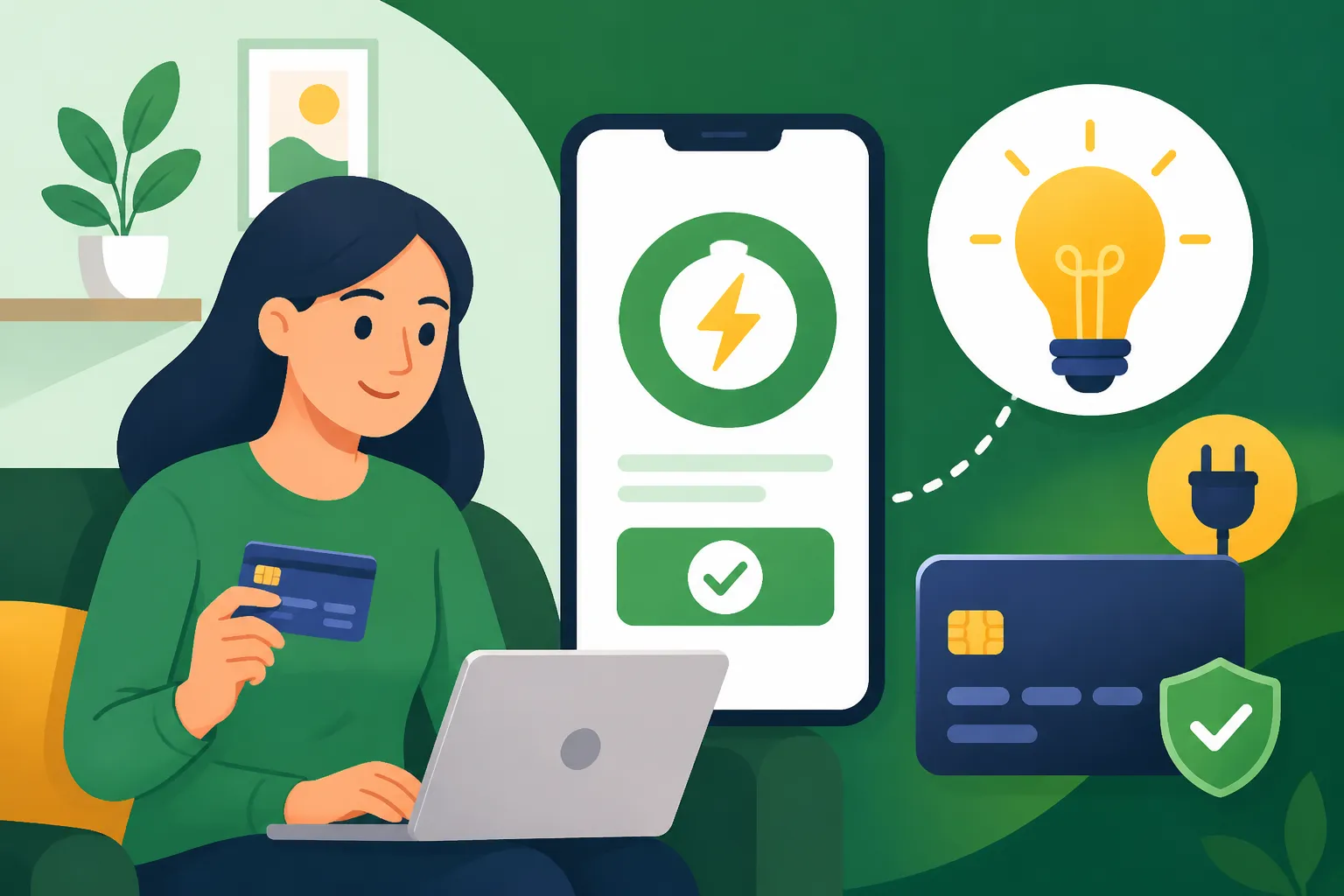
Once you've registered and logged in, you'll find options to view your current and past bills, submit meter readings, update your personal details, and, crucially, make a payment. You can usually pay using a credit or debit card, entering the details each time or saving them for future convenience. This method is great if you want to check your bill thoroughly before paying, or if you prefer to make payments closer to your payday. It gives you that immediate confirmation and reassurance that your payment has gone through successfully.
App-Based Payments: Convenience on the Go
In our increasingly digital world, mobile apps have become indispensable, and electricity suppliers in Ireland are no exception. Most major providers now offer dedicated mobile apps for both iOS and Android devices, bringing the full functionality of their online portals to your smartphone.
These apps are designed for ultimate convenience. You can check your balance, view your usage history, receive bill notifications, and, of course, make payments directly from your phone, no matter where you are. This is particularly handy if you’re out and about, perhaps using an eSIM from a service like Airalo to stay connected, and remember you need to pay a bill. A quick tap, a few details, and done! The apps often feature intuitive interfaces and allow for quick, secure payments, making them a fantastic tool for managing your electricity account on the move.
Revolut, N26, and Digital Bank Payments: Modern Solutions
For many expats, digital banks like Revolut and N26 have become central to managing finances in Ireland. These platforms offer excellent tools for tracking spending, budgeting, and, yes, paying bills. If you've chosen to Open a Bank Account at an Irish Bank as a Foreigner with one of these providers, you'll find them very adept at handling your electricity payments.
You can often set up payments to your electricity supplier directly through your Revolut or N26 app, either as a scheduled payment or a one-off transfer. You'll typically need your electricity supplier's bank details (which can be found on your bill or their website) and your unique account reference number to ensure the payment is correctly attributed to your account. This method leverages the convenience and modern features of digital banking, giving you another layer of flexibility in managing your household expenses.
Step-by-Step Guide to Setting Up Online Payments
Alright, let's get down to the brass tacks of actually setting up these online payment methods. It might seem like a lot of steps, but trust me, once you've done it, it's smooth sailing. The general process is pretty similar across all major electricity providers in Ireland, so this guide will give you a solid roadmap.
Choosing Your Electricity Supplier
Before you even think about paying, you need an electricity supplier! When you first move into a property in Ireland, you'll likely inherit the previous occupant's supplier. However, you are absolutely not obligated to stick with them. The Irish electricity market is competitive, with several major players vying for your business. The big names you'll encounter are Electric Ireland (the former state-owned utility), Bord Gáis Energy, SSE Airtricity, Flogas, and some smaller ones like Panda Power.
It's highly recommended that you take some time to compare their offerings. Look at their unit rates, standing charges, contract lengths, and any incentives they offer (e.g., discounts for online billing or direct debit). Websites like bonkers.ie or switcher.ie are invaluable resources for comparing tariffs and finding the best deal. Choosing the right supplier can save you a significant amount over the year, so don't just jump at the first one. Think about what matters most to you: lowest price, green energy options, or excellent customer service.
Registering for an Online Account
Once you've settled on a supplier and your account is active (meaning electricity is flowing to your home and you have an account number), the next step is to register for their online portal. This usually involves visiting their website and looking for a "Register" or "My Account" section.
You'll need a few key pieces of information to complete the registration:
- Your Electricity Account Number: This is a unique identifier for your account, usually found on any correspondence you've received from your supplier.
- Your MPRN (Meter Point Reference Number): This is an 11-digit number that identifies your electricity supply point (your home) on the national network. It stays with the property, regardless of who the supplier is. You can usually find this on a previous bill or by contacting the Electricity Supply Board Networks (ESB Networks).
- Personal Details: Your name, address, email address, and possibly your date of birth.
- Create a Username and Password: Choose something secure but memorable.
After entering your details, you'll likely receive a verification email. Click the link in this email to activate your account, and voilà, you're in! This is a crucial step towards taking control of your How the Irish Tax System (Revenue) Works: PAYE, PRSI and USC Explained (2027) and other financial obligations.
Linking Your Payment Method
With your online account set up, it's time to link your preferred payment method.
- For Direct Debit: Look for a "Payments" or "Manage Direct Debit" section within your online account. You'll need to enter your Irish bank account's IBAN (International Bank Account Number) and BIC (Bank Identifier Code). Double-check these numbers carefully to avoid any issues. The system will then send a request to your bank to authorise the direct debit.
- For One-Off Card Payments: Most platforms will have a "Pay Bill" option. Here, you'll be prompted to enter your credit or debit card details: the 16-digit card number, the expiry date, and the CVV/CVC security code from the back of the card. Some providers allow you to save these details for faster payments in the future, which is a real time-saver.
- For App Payments: The process is largely identical to the online portal. Download the app, log in with your new credentials, and navigate to the payment section. The interface is usually very user-friendly.
Always make sure you receive a confirmation of your payment or direct debit setup. This could be an on-screen message, an email, or both. Keep these confirmations for your records, just in case there's ever a query.
Managing Your Payments and Usage Online
Having an online account isn't just about paying bills; it's a powerful tool for managing your electricity consumption and costs. Through your online portal or app, you can typically:
- View Current and Past Bills: Access a digital archive of all your bills, allowing you to track your spending over time.
- Submit Meter Readings: Regularly submitting actual readings helps ensure your bills are accurate and you're only paying for what you've used. This is especially important if you don't have a smart meter yet.
- Monitor Usage: Many providers offer graphs and charts showing your electricity consumption over days, weeks, or months. This visual data can be incredibly helpful for identifying trends and finding ways to reduce your energy use, particularly during peak times if you're on a smart tariff.
- Update Personal Details: If you change your phone number, email address, or even move house (though you'd likely set up a new account for a new property), you can update these details online.
- Switch Tariffs: Some providers allow you to explore and switch to different tariffs directly through your account if you find a better deal that suits your usage patterns.
This level of insight and control can be a game-changer for budgeting and becoming more energy-efficient, making the effort to set up your online account truly worthwhile.
Troubleshooting Common Online Payment Issues
Even with the best intentions and careful setup, sometimes things go a little sideways. Online payments, while convenient, aren't immune to issues. Here's a look at some common problems you might encounter and how to tackle them.
Forgotten Passwords or Login Issues
"Oh, the dreaded forgotten password!" It's a universal experience, isn't it? We've all been there, staring blankly at the login screen. If you can't remember your password, the solution is usually straightforward. Look for a "Forgot Password" or "Reset Password" link on your electricity provider's login page.
You'll typically be asked to enter your registered email address or account number. They'll then send a link to your email (or sometimes a code to your phone) that allows you to reset your password. Make sure to check your spam folder if it doesn't appear in your inbox straight away. If you're having trouble logging in even with the correct password, ensure your Caps Lock isn't on and try clearing your browser's cache and cookies, as sometimes old data can interfere with login processes. If all else fails, a quick call to their customer service team should get you sorted.
Payment Errors or Rejected Payments
It can be frustrating when you click 'pay' and get an error message or find out your payment was rejected. This can happen for several reasons.
- Incorrect Card Details: Double-check that you've entered your card number, expiry date, and CVV/CVC code correctly. Even a single digit out of place will cause a rejection.
- Insufficient Funds: If you're making a payment by direct debit or a card payment, ensure there's enough money in your bank account or on your card to cover the bill.
- Bank Security Blocks: Sometimes, your bank might flag a transaction as suspicious, especially if it's a new merchant or a larger amount than usual. They might block the payment for your protection. If you suspect this, contact your bank directly to authorise the transaction.
- Technical Glitches: On rare occasions, there might be a temporary issue with the payment gateway or the supplier's website. If you've checked everything on your end, try again after a few minutes, or even an hour.
If a payment fails, you'll usually receive an error message explaining why. If it's not clear, it's always best to contact your electricity supplier's customer support. They can investigate the issue and guide you on how to proceed.
Discrepancies in Bills: When Things Don't Add Up
There's nothing quite like the jolt of seeing a bill that's significantly higher or lower than you expected. If you spot a discrepancy, don't panic.
- Estimated Bills: If your bill is estimated, this is often the culprit. Submit an actual meter reading immediately through your online account or app. Your next bill should then correct the previous estimate.
- Usage Spikes: Have you had more people staying, used a new appliance, or been home more than usual? Sometimes, higher usage is the genuine reason for a higher bill. Review your usage history on your online account to see if there's a corresponding increase.
- Meter Malfunction: While rare, meters can sometimes be faulty. If you consistently get unusually high or low bills despite accurate readings, you might want to contact your supplier to request a meter check.
- Tariff Changes: Have you recently switched tariffs or had an introductory offer expire? These changes can affect your unit rate.
- Errors: Human error (or system error) can happen. If you genuinely believe there's a mistake, gather all your previous bills and meter readings, and then contact your supplier's customer service. Be patient and clear in explaining your issue, and they should be able to help resolve it.
Knowing how to find your Understanding Public Hospital Charges and the A&E Fee in Ireland is one thing, but understanding the line items on your electricity bill is equally important for your peace of mind.
Smart Meters and Bill Accuracy
Ireland has been rolling out smart meters across the country, which are a real game-changer for bill accuracy and energy management. These meters automatically send your actual meter readings to your supplier, meaning you should never receive an estimated bill again. This alone can prevent a lot of bill discrepancies.
Furthermore, smart meters often come with access to more detailed usage data through your online account or app, sometimes even showing your consumption in 30-minute intervals. This level of detail empowers you to understand when you're using electricity and allows you to adjust your habits to take advantage of smart tariffs (like cheaper electricity during off-peak hours). If you have a smart meter, ensure you're opted into receiving smart services from your provider to maximise its benefits.
Tips for Expats Navigating Irish Electricity Bills
As an expat, everything feels a bit different when you first arrive in Ireland, and utility bills are no exception. But with a few insider tips, you can navigate the system like a seasoned local and even save some money along the way.
Understanding Different Tariffs and Plans
One of the biggest opportunities to save money on your electricity bill lies in choosing the right tariff. It's not a one-size-fits-all situation, and what works for your neighbour might not be best for you.
- Standard Rates: This is the basic tariff, where you pay a flat rate per unit (kWh) of electricity, regardless of the time of day you use it. It's simple and predictable, good for those who don't want to think too much about their usage patterns.
- Day/Night Rates: Also known as 'Nightsaver' tariffs, these offer cheaper electricity during off-peak hours (typically 11 pm to 8 am during winter, and 12 am to 9 am during summer) and a higher rate during peak daytime hours. This is ideal if you can shift a significant portion of your electricity usage – think running your washing machine, dishwasher, or charging an electric vehicle overnight.
- Smart Tariffs: With the rollout of smart meters, smart tariffs are becoming increasingly popular. These tariffs offer varying prices throughout the day, often with even cheaper rates during specific off-peak periods and potentially higher rates during peak times. They require a bit more active management of your energy use to truly benefit, but the savings can be substantial if you're flexible. Make sure you check out How to Set Up Electricity and Gas in Your Irish Home to understand the initial setup process.
Always review your current usage patterns before committing to a day/night or smart tariff. If you work from home and use a lot of electricity during the day, a standard tariff might actually be more cost-effective.
Comparing Suppliers: Shop Around!
This is probably the most important piece of advice any expat can get about utilities in Ireland: never just accept the default supplier or stick with the first one you chose. The Irish electricity market is very competitive, and suppliers regularly offer enticing deals to new customers. These often include significant discounts for the first 12 months, cashback offers, or special bundles with gas.
Websites like bonkers.ie and switcher.ie are your best friends here. They allow you to compare prices and tariffs from all major suppliers by simply entering your MPRN (Meter Point Reference Number) and an estimate of your annual usage (which you can find on a recent bill). Don't be afraid to switch providers every 12-18 months. It might seem like a hassle, but the process is usually seamless, and your new provider will handle most of the transfer details. This proactive approach can save you hundreds of euros each year, a saving that could go towards something much more enjoyable, like exploring the country or maybe even a new mobile plan.
Monitoring Usage and Reducing Costs
Beyond choosing the right tariff, actively monitoring and reducing your electricity usage is key to keeping those bills manageable.
- Turn off Lights and Appliances: It sounds simple, but truly unplugging devices or switching them off at the wall when not in use (known as tackling "vampire drain") can make a difference.
- Energy-Efficient Appliances: If you're buying new appliances, look for high energy ratings. While they might cost more upfront, they'll save you money in the long run.
- Insulation and Draughts: Ireland's climate means heating is a big expense. Ensure your home is well-insulated, and tackle any draughts around windows and doors.
- Smart Meter Insights: If you have a smart meter, dive into the detailed usage data provided by your supplier. Identifying peak usage times and making small changes can have a big impact, especially on smart tariffs.
- Heating Habits: Use your heating efficiently. Don't overheat rooms you're not using, and consider a smart thermostat to control your heating remotely.
Even small changes in habit can add up, helping you save money and reduce your carbon footprint. Plus, it gives you more budget for other things, perhaps an outing to a place you discovered through The Complete Guide to Moving to Ireland: Your First 90 Days (2027).
Getting a PPSN and Bank Account for Ease
While you can technically get by for a short time without these, having your Irish PPSN (Personal Public Service Number) and a local bank account will make setting up and paying all your bills, including electricity, infinitely easier. Your PPSN is essential for many administrative tasks, and having a local bank account allows for seamless direct debit setups and often smoother online transactions.
It's a foundational step for anyone settling in Ireland, simplifying everything from employment to paying utility bills. If you're still on the fence about getting a local bank account, perhaps Banking in Ireland: A Complete Guide for Foreigners (2027) could offer more insights. You'll find that companies like Sirelo, who help with the broader relocation process, often highlight the importance of sorting out these basics early on to ensure a smoother transition.
Table: Comparison of Major Irish Electricity Suppliers and Online Payment Options
| Supplier | Main Online Payment Options | Mobile App? | Direct Debit Discount? | Key Features/Notes |
|---|---|---|---|---|
| Electric Ireland | Direct Debit, Card (online) | Yes | Often | Largest supplier, broad range of tariffs, loyalty rewards. |
| Bord Gáis Energy | Direct Debit, Card (online) | Yes | Often | Gas & electricity bundles, partner rewards. |
| SSE Airtricity | Direct Debit, Card (online) | Yes | Often | Focus on green energy, competitive offers. |
| Flogas | Direct Debit, Card (online) | No | Often | Gas & electricity bundles, sometimes very competitive. |
| Panda Power | Direct Debit, Card (online) | No | Often | Smaller supplier, often good introductory offers. |
Note: Discounts and features can change frequently. Always check the supplier's website for the most up-to-date information.
Setting up your electricity bill payments online in Ireland doesn't have to be a daunting task. By understanding your bill, exploring the various online payment methods, and taking advantage of the competitive market, you can ensure your home stays powered up efficiently and affordably. It's just another step in making Ireland feel like home. You've got this!
Disclaimer
Please note that this guide provides general information based on current practices in Ireland. Utility policies, tariffs, and government levies can change. Always refer to your specific electricity provider's terms and conditions, and consult official sources like the Commission for Regulation of Utilities (CRU) or your supplier for the most accurate and up-to-date information regarding your electricity account and billing.