Do I Have to Pay for Water in Ireland?
One of the most common head-scratchers for newcomers arriving in Ireland is the question of water charges. You’ve likely heard conflicting stories or seen news reports from years past, leaving you thoroughly confused about whether you’ll be getting a separate bill for flushing the loo or doing the dishes. It’s a completely valid frustration, as Ireland’s journey with water billing has been, shall we say, a bit of a saga. This guide is here to untangle that knot for you, explaining exactly what to expect regarding water payments as a resident here.
The Curious Case of Irish Water Charges: A Bit of History
When you move to a new country, you expect to pay for your utilities: electricity, gas, broadband. Water is usually on that list. But Ireland has a unique story when it comes to domestic water charges, and understanding this history is crucial to grasping the current situation.
For decades, domestic water supply in Ireland was funded entirely through general taxation, meaning no direct household bills for the water coming into your taps or going down your drains. This was the norm, and it worked, more or less. However, in the wake of the 2008 financial crisis and subsequent bailout, there was immense pressure from international lenders to introduce water charges as a way to fund much-needed investment in the country's aging water infrastructure.
So, in 2014, a new national utility, Uisce Éireann (then known as Irish Water), was established, and domestic water charges were introduced. This was a massive political and social upheaval. People were furious. There were enormous protests across the country, with hundreds of thousands taking to the streets, arguing that water was a right, not a commodity to be paid for separately, especially after already contributing through taxes. It was a deeply divisive issue that became a touchstone for public dissatisfaction with austerity measures and government policy. The collection of these charges proved incredibly difficult, and the public resistance was unprecedented. After years of political wrangling, protests, and a general election where water charges were a central issue, the government effectively abolished domestic water charges in 2017. This explains why you might hear different answers depending on who you ask or what old news articles you stumble upon.
The Current State of Domestic Water Charges for Residential Properties
Okay, so with that bit of history out of the way, let's get down to brass tacks: do you, as an expat living in a residential property in Ireland, have to pay for water?
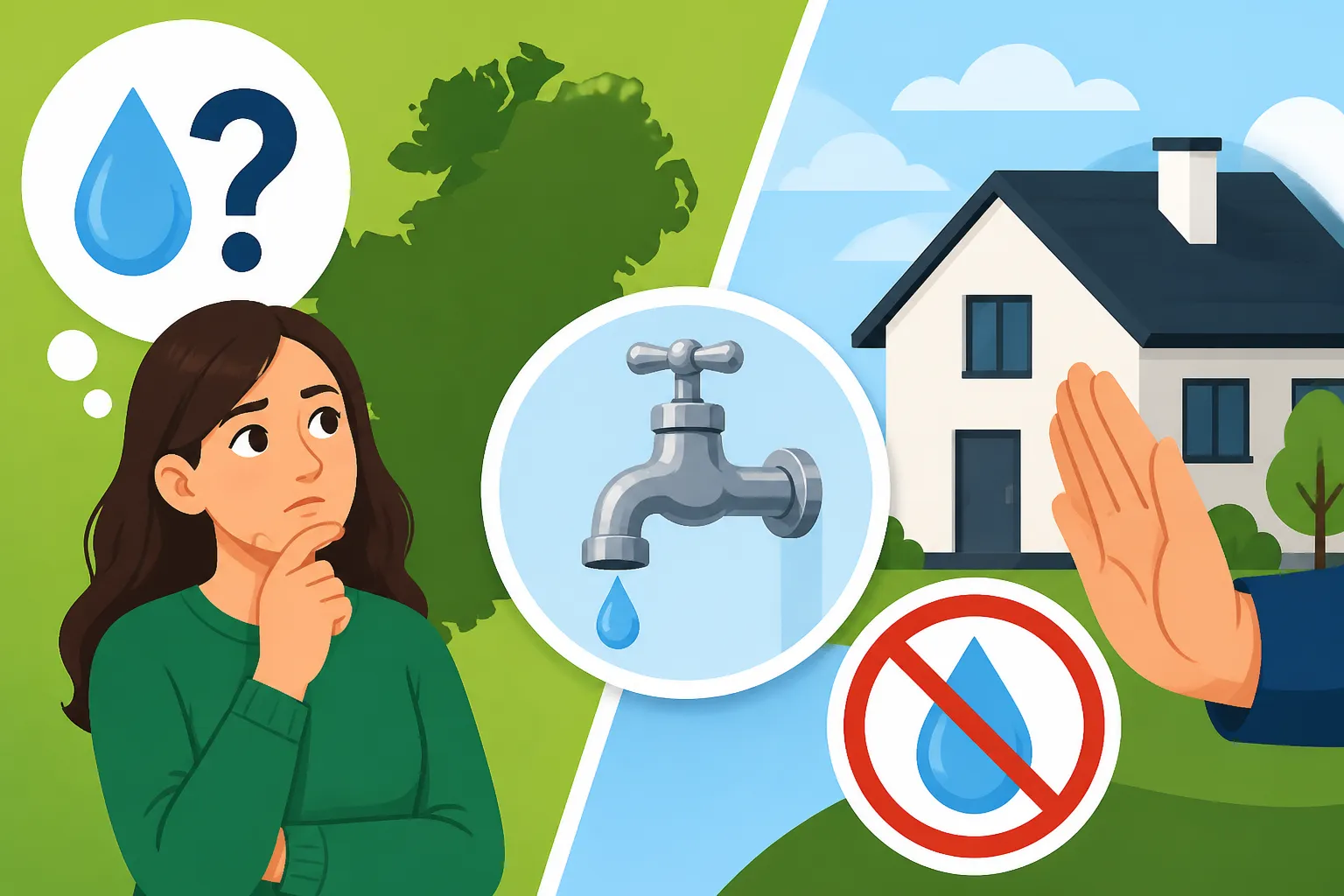
The straightforward answer for most households is: no, not directly. As of 2017, direct charges for domestic water supply and wastewater services have been abolished. This means you will not receive a separate bill from Uisce Éireann for the water you use in your home for showering, cooking, drinking, or flushing toilets. This can be a huge relief, especially if you're coming from a country where water bills are a significant household expense.
How Domestic Water is Funded Now
So, if you're not paying directly, how is all that water infrastructure and supply funded? It's gone back to being primarily funded through general taxation. This means that indirectly, through your income tax, Universal Social Charge (USC), and Local Property Tax (LPT), you are contributing to the national exchequer, which in turn allocates funds to Uisce Éireann to operate, maintain, and upgrade Ireland's water network.
This is an important distinction to make. While you don't get a bill, it's not "free" in the sense that no one is paying for it. It's just integrated into the broader tax system. If you're still getting your head around the Irish tax system, you might want to read our guide on How the Irish Tax System (Revenue) Works: PAYE, PRSI and USC Explained (2027). The amount you pay towards these general taxes is not directly linked to your individual water consumption, which is a key difference from when direct charges were in place. So, no need to stress about long showers or filling the paddling pool on a rare sunny day – at least not from a billing perspective.
Rental Properties and Apartments
The same rules apply whether you own your home or you're renting. If you’re renting a house or an apartment, your landlord cannot legally charge you extra for domestic water usage on top of your rent. This is a common misconception, and it’s good to be aware of your rights as a tenant. The cost of domestic water services is considered part of the property’s general operating costs and, as such, is factored into the overall rent, much like local property tax might be.
When you're wading through tenancy agreements and trying to understand your responsibilities, it’s always a good idea to clarify these points, though legally, your landlord cannot bill you for domestic water. If you’re in the process of moving and trying to get your new home sorted, our guide on The Complete Guide to Renting a Home in Ireland (2027) has loads of helpful tips to navigate the rental market. It’s a jungle out there, but knowing these details can save you a headache later.
Exceptions to the Rule: When You Might Pay for Water
While direct domestic water charges are mostly a thing of the past for residents, there are a few scenarios and specific circumstances where water-related costs can arise. It’s crucial to understand these exceptions so you don't get caught off guard.
Non-Domestic and Commercial Water Charges
First and foremost, it’s important to distinguish between domestic and non-domestic use. While households generally don't pay direct water charges, businesses and commercial properties absolutely do. If you're thinking about setting up your own business here, or if you're working in a commercial premises, those entities will receive bills from Uisce Éireann for their water supply and wastewater services. These charges are based on metered consumption, just like in many other countries. So, if you're running a cafe, a salon, or an office, expect a water bill. This is a fundamental difference, and it's where much of the initial confusion for expats stems from, especially if they have family or friends who run businesses here.
Group Water Schemes
Ireland has a lot of rural areas, and in some of these more remote locations, water is supplied not by Uisce Éireann directly, but by what are known as Group Water Schemes. These are typically community-run schemes that manage their own local water supply, often drawing from local sources, treating the water, and distributing it to members.
If you live in an area served by a Group Water Scheme, you will be a member of that scheme and will therefore pay a charge to them. These charges vary widely depending on the scheme's operating costs, the number of households it serves, and any grants it might receive. The charges cover the maintenance, treatment, and administration of the local water supply. So, if you're planning to move to a charming cottage in the countryside, it’s definitely worth inquiring about the water supply arrangements and whether it’s part of a Group Water Scheme.
New Connections and Infrastructure Contributions
If you're buying or building a brand new home, there might be fees associated with connecting to the public water and wastewater network. These are typically one-off development contributions or connection charges, rather than ongoing consumption charges. Developers usually factor these into the cost of new homes.
Similarly, if a property undergoes significant renovation or a change of use that requires new or upgraded water connections, there could be fees involved. These are specific project-related costs, not routine domestic bills.
Excessive Use and Leakage
While you won't get a regular bill based on your usage, there are provisions for Uisce Éireann to investigate cases of excessive water usage or undetected leaks in domestic properties. If Uisce Éireann identifies a significant leak on your property that you're responsible for, they might contact you to address it. In extreme cases of persistent, unrepaired leaks causing excessive loss, or if meters are installed and show highly unusual usage, there could be implications, though this is rare for domestic customers and typically involves efforts to resolve the issue rather than direct billing for the water lost.
It’s always a good idea to be mindful of your water usage, not just for the environment but also to avoid potential issues with leaks which can cause damage to your home and property.
Landlord-Tenant Agreements (Be Wary!)
As mentioned, landlords cannot directly charge tenants for domestic water consumption. However, it's wise to be vigilant when reviewing your rental agreement. Sometimes, especially in older properties or houses that have been converted into multiple units, the wording in a lease might be ambiguous. Always ensure that the rent stated is inclusive of all domestic utility services that are covered by general taxation. If you see any clause attempting to impose a separate water charge, question it immediately. Understanding Tenant and Landlord Rights Under the RTB in Ireland will empower you to identify and challenge unfair clauses.
The Residential Tenancies Board (RTB) is the official body for landlord-tenant relations, and they can provide clarity on your rights. Don't be shy about reaching out to them if you have doubts, especially if your landlord is trying to pull a fast one. It's an administrative hurdle, yes, but protecting yourself is key.
Understanding Uisce Éireann (Irish Water) in the Modern Context
Even without direct domestic charges, Uisce Éireann still plays a monumental role in Ireland's infrastructure. It's easy to dismiss them if you don't see a bill, but they are the national water utility responsible for providing safe, clean drinking water and collecting and treating wastewater across the vast majority of the country.
What is Uisce Éireann's Role?
Think of them as the unsung heroes of your daily hydration and sanitation. Their responsibilities include:
- Water Supply: Sourcing, treating, and distributing drinking water to homes and businesses. This involves managing reservoirs, treatment plants, and thousands of kilometres of pipelines.
- Wastewater Treatment: Collecting wastewater (sewage), treating it to environmental standards, and safely discharging it. This means managing wastewater networks, pumping stations, and treatment plants.
- Infrastructure Investment: Planning and carrying out massive projects to upgrade and expand Ireland's water and wastewater infrastructure. This is critical for supporting population growth and ensuring long-term reliability.
- Leakage Reduction: A significant ongoing challenge for Uisce Éireann is reducing the high levels of leakage in Ireland's extensive and often very old pipe network. They actively work on repair programmes and monitoring.
- Customer Service: While you don't get a bill, you'll still contact them for things like water quality queries, reporting leaks in public areas, or issues with supply.
Essentially, they ensure that when you turn on your tap, clean water comes out, and when you flush, it goes away safely. Knowing this helps you understand why, despite no direct bills, it's still a well-funded and essential national service. If you need to report a public leak or have a water quality concern, you'll reach out to them directly. Their website (water.ie) is the primary point of contact for these matters. For a deeper dive into their role, check out Understanding Water Charges and Irish Water (Uisce Eireann).
Setting Up Other Utilities
While water may be off your immediate billing radar, you'll definitely need to get your other utilities sorted when you move in. Setting up electricity, gas, and broadband are high on the priority list. Companies like Electric Ireland, Bord Gáis Energy, and Flogas are the main players for electricity and gas, while providers like Eir, Virgin Media, and Sky offer broadband and TV services.
The process for these is generally straightforward: you contact a provider, give them your details, and they set up an account. This is usually one of the first things you tackle after securing accommodation. Our guide on The Expat Guide to Setting Up Utilities (Electricity, Gas, Water) in Ireland can walk you through the full process for all your essential services. It can be a lot to manage in those first few weeks, especially with all the other administrative hurdles. To make sure you're always connected during this process, considering an eSIM from a provider like Airalo can be incredibly handy for reliable mobile data while you get your local SIM and home internet sorted.
What about the Cost of Living Generally?
While water might be a pleasant surprise on the 'no direct bill' front, the overall The Complete Guide to Cost of Living in Ireland for Expats (2026) can still be quite high, especially in urban centres like Dublin. So, don't let the lack of a water bill lull you into a false sense of cheap living! Rent, groceries, and other utilities like electricity and heating can certainly add up. Knowing that water is covered by general taxation means you can budget more precisely for other expenditures.
Moving to Ireland: Practical Advice on Water
Navigating the nuances of utilities and daily life in a new country can be overwhelming. Here’s some practical advice tailored for expats regarding water in Ireland.
Don't Assume, Always Verify
While domestic water charges are abolished, it’s always prudent to confirm the situation for your specific property, especially if it's a unique setup.
- Rural Properties: If you're moving to a rural area, ask your landlord or the previous owner if the property is connected to a Group Water Scheme. If it is, find out what the annual charges are and how they are paid.
- New Builds: For new homes, clarify with the developer or your solicitor if all water connection fees have been settled.
- Rental Agreements: As mentioned, read your lease carefully. If anything seems off, query it. The phrase "included in rent" for utilities typically means electricity and gas (if it’s a fully serviced apartment where the landlord manages these too), but for water, it's a non-issue anyway.
Be Mindful of Water Conservation
Even though you're not paying directly per litre, water is a precious resource. Ireland has faced water shortages and boil water notices in the past, particularly during dry spells or due to infrastructure issues. Uisce Éireann actively promotes water conservation. Being mindful of your usage – taking shorter showers, turning off the tap while brushing your teeth, fixing leaky faucets – contributes to the national effort to protect this resource. It’s also just good practice, no matter where you live.
Emergency Information and Reporting
If you experience a disruption to your water supply, a drop in water pressure, or notice a burst pipe or significant leak in your area, Uisce Éireann is your first point of contact. Their customer care line and online reporting tools are available 24/7. It's always a good idea to save their contact number (1800 278 278) in your phone or know where to find it. They also have an interactive map on their website where you can check for reported outages and planned works in your area.
Settling In Beyond Water
Beyond water, there are many other aspects of setting up your new home in Ireland. From understanding local property taxes to getting your broadband connected, there’s a list as long as your arm. If you're coordinating a move, services like Sirelo can be really useful for finding reputable moving companies and comparing quotes, taking some of the logistical stress off your shoulders. They can help you plan your entire relocation, which is a massive help when you're also trying to figure out things like whether you pay for water! When you're in those critical first 90 days of getting established, having a good checklist is vital, and our comprehensive guide, The Complete Guide to Moving to Ireland: Your First 90 Days (2027), can definitely help.
Summary of Domestic Water Charges
To give you a clear, concise overview, here's a table summarising the typical situation for water charges in Ireland:
| Category | Direct Water Charge? | How it's Funded/Handled | Key Considerations for Expats |
|---|---|---|---|
| Domestic Household | No | General taxation (income tax, USC, LPT) | No separate bill, included in overall tax contributions. |
| Rental Properties | No | Landlord cannot charge extra for domestic use | Verify lease wording; contact RTB if ambiguous. |
| Commercial/Business | Yes | Metered consumption billed by Uisce Éireann | Essential for business owners to budget for this utility. |
| Group Water Schemes | Yes | Charges set by the local scheme for maintenance/supply | Common in rural areas; inquire before moving to these locations. |
| New Connections | One-off fees | Development contributions or connection charges | Usually handled by developers for new builds; confirm with solicitor. |
| Excessive Leaks | Rarely | Uisce Éireann primarily seeks leak repair | Repair leaks promptly to avoid property damage or rare intervention. |
Hopefully, this clears up the confusion around water charges in Ireland for you. It's one less thing to worry about, and you can focus on enjoying your new life here without fear of an unexpected bill for every drop from the tap. Welcome to Ireland!
Disclaimer
The information provided in this guide is for general informational purposes only and does not constitute professional advice. While we strive to ensure accuracy and provide up-to-date information based on publicly available data, laws, regulations, and policies can change. It is always recommended to consult with relevant official bodies, such as Uisce Éireann, the Residential Tenancies Board (RTB), or a legal professional, for advice specific to your individual circumstances. We accept no liability for any loss or damage arising from reliance on the information contained herein.