How to Pay Your Utility Bills Online in Ireland
Ah, moving to Ireland! It's an adventure, isn't it? But then you start settling in, and suddenly you're faced with a mountain of new things, like navigating how to get your electricity, gas, and broadband up and running, and then, the big one: how to actually pay for it all. Many of us expats find the process of setting up utilities and understanding the payment systems a bit baffling at first. This guide is here to walk you through the ins and outs of paying your utility bills online in Ireland, making the whole process as stress-free as possible.
Understanding the Landscape of Irish Utilities
When you first arrive, you might be surprised by the sheer number of utility providers here, each with their own rules and ways of doing things. It's not always as straightforward as it seems, and understanding who provides what and how they operate is your first step to smooth sailing when it comes to payments.
Key Utility Providers in Ireland
Ireland's utility market, especially for electricity and gas, is quite competitive, which is generally a good thing for consumers. You'll find several companies vying for your business, often offering different tariffs and incentives. For electricity, Electric Ireland is the long-standing incumbent, but you'll also see companies like Bord Gáis Energy, SSE Airtricity, Flogas, and Energia. They all draw power from the same national grid but offer different billing plans. It's a similar story for natural gas, where Bord Gáis Energy is a major player, but others like Flogas and SSE Airtricity also compete. Often, companies offer dual-fuel discounts if you get both electricity and gas from them, which can be a real money-saver.
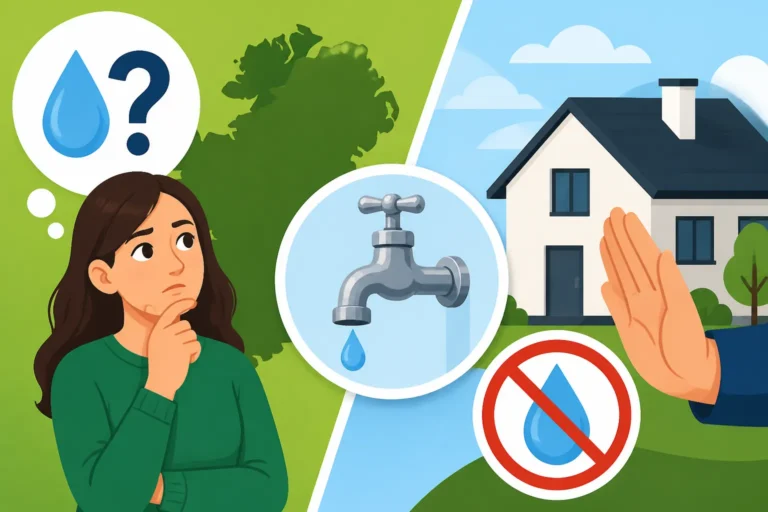
Then there's broadband and TV. Virgin Media, Sky, and Eir are the big names here, offering various bundles that often include landline phones. The speeds and availability can vary significantly depending on where you live, so always check what's available at your specific address. Finally, water. Unlike many countries, residential water usage in Ireland is generally not directly charged based on consumption for most households. Instead, water services are managed by Uisce Éireann (Irish Water), and funding comes from general taxation. So, while you won't typically receive a monthly water bill to pay, you might encounter charges for new connections or specific commercial uses. Understanding this distinction is crucial, as it means one less bill to worry about.
The Shift to Digital Payments: Why Online is King
The good news amidst all this choice is that almost all Irish utility providers have fully embraced online platforms for managing accounts and payments. Gone are the days when you needed to queue up at the post office or send a cheque through the mail. Seriously, trying to manage physical bills when you're busy navigating life in a new country is just an added headache you don't need.
Online payment methods offer unparalleled convenience. You can pay your bills from the comfort of your couch, during your lunch break, or even while on holiday, as long as you have an internet connection. This digital shift not only saves time but also provides better record-keeping, allowing you to easily track your past payments and current usage. For expats, this is particularly beneficial, as it reduces the potential for misunderstandings or missed payments due to unfamiliarity with the local postal system or banking hours. It puts you in control, which is essential when you're building a new life.
Setting Up Your Online Accounts: A Step-by-Step Guide
Getting your online accounts properly set up is the foundation for hassle-free utility bill payments. It might seem like a bit of a chore at first, especially when you're dealing with multiple providers, but trust me, it’s worth every minute. This initial effort will save you so much time and potential frustration down the line.
Gathering Your Essentials: What You'll Need
Before you dive into registering, make sure you have all the necessary information at hand. This will make the process much smoother and prevent you from having to stop and search for documents halfway through. Firstly, you'll need your account number for each utility, which you'll find on any initial correspondence or welcome pack you received from your provider. If you're just starting and haven't received a bill yet, the provider might issue you an account number when you first sign up for service.
Secondly, a valid email address is crucial, as this will be your primary login and communication channel for most online portals. Make sure it's an email you check regularly. Thirdly, be ready with your bank details, specifically your IBAN (International Bank Account Number) and BIC (Bank Identifier Code) for setting up direct debits or making bank transfers. If you've just arrived and are still getting your finances sorted, you can find guidance on The Expat Guide to Opening a Bank Account in Ireland. Lastly, having a mobile phone number is often required for account verification or password resets, so have your Irish mobile number ready. If you're still on your home country's SIM, consider getting a local one or an eSIM like Airalo to ensure you have reliable connectivity during this setup phase.
Registering with Each Provider's Online Portal
Once you have your essentials, it's time to hit the websites. Each utility provider will have a "My Account" or "Register" section on their website. For example, if you're with Electric Ireland, you'll go to electricireland.ie and look for the 'My Account' option. The process usually involves:
- Finding the registration link: Look for "Register for online account," "First-time user," or similar phrasing.
- Entering your account details: This is where you'll input your specific utility account number.
- Creating a username and password: Choose something secure and memorable. Many sites will have specific password requirements (e.g., minimum length, mix of characters).
- Providing personal details: This typically includes your name, email address, and sometimes your date of birth or a security question to verify your identity.
- Verifying your account: You'll often receive an email with a verification link that you need to click to activate your online account. Don't skip this step!
Repeat this process for your electricity, gas, and broadband providers. While it might feel repetitive, think of it as building your digital command centre for household finances.
Linking Your Payment Methods: Direct Debits and Card Payments
With your online accounts registered, the next step is to link your preferred payment methods. This is where the real convenience kicks in. The most popular and often recommended method is setting up a Direct Debit. This authorises the utility company to automatically deduct the bill amount from your bank account on or around the due date. Most providers offer a small discount for paying by direct debit, so it's a win-win. To set this up, you'll usually navigate to the "Payments" or "Manage Payments" section within your online account and enter your IBAN and BIC.
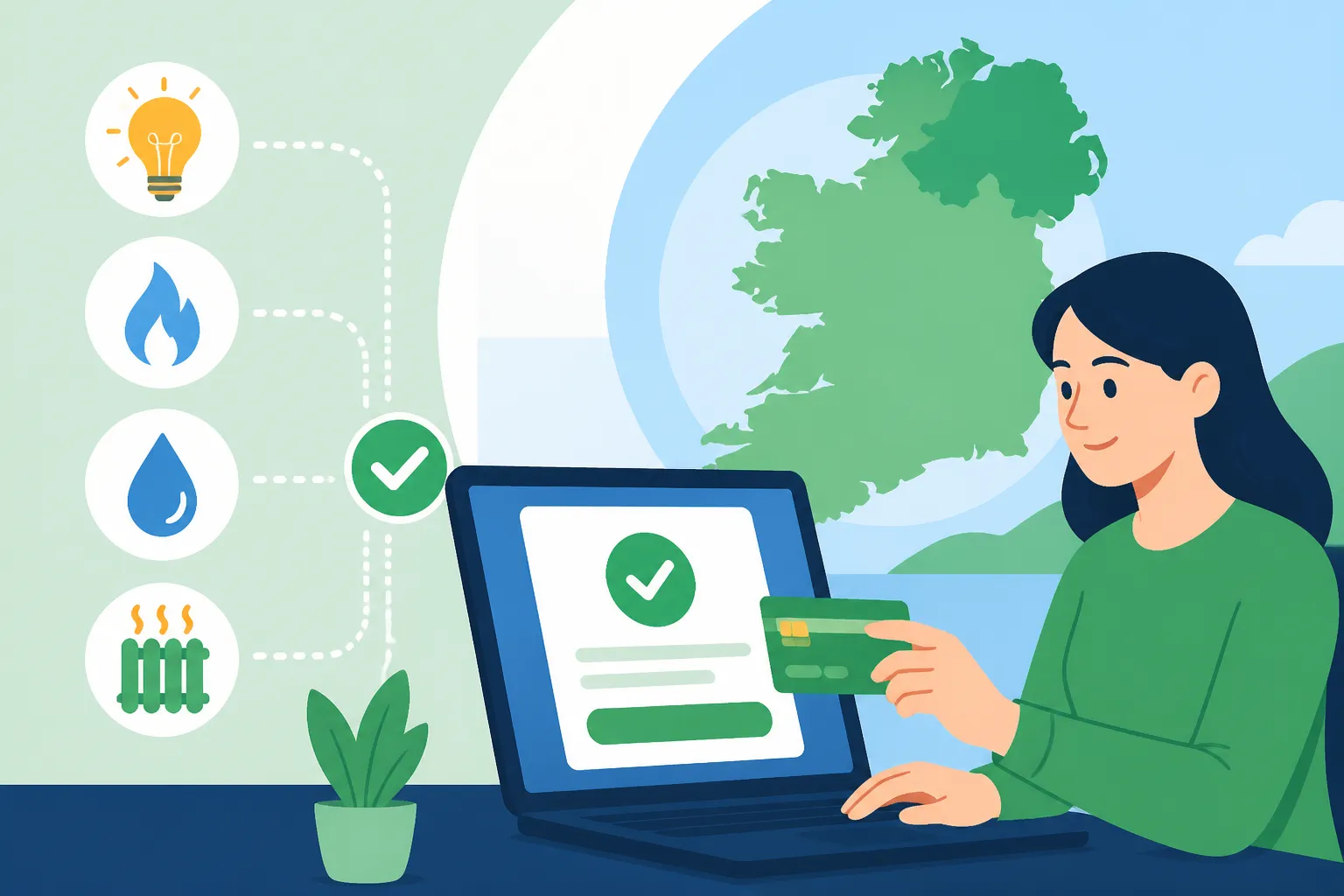
Alternatively, you can register a credit or debit card for one-off payments. This is useful if you prefer to review each bill before paying or if your income is irregular. Again, within the "Payments" section, you'll find an option to "Add a new card" or "Make a payment." Simply input your card details (card number, expiry date, CVC) and save it for future use if the site allows. Remember, for security, you'll often need to re-enter your CVC for each transaction. This flexibility is key to managing your finances effectively in Ireland, especially as a newcomer still finding your feet. You can learn more about managing automatic payments in our guide, How Do I Set Up Direct Debits at an Irish Bank?.
Navigating Different Online Payment Methods
Now that your accounts are set up, let's look at the different ways you can actually pay those bills online. Each method has its pros and cons, and understanding them will help you choose what works best for your financial habits and circumstances.
Direct Debit: The Easiest Option for Regular Payments
For most expats, setting up a direct debit is by far the most convenient way to pay regular utility bills. Once it's authorised, you effectively "set it and forget it." The utility provider will automatically take the correct amount from your designated Irish bank account on the specified date, usually shortly after your bill is issued. This eliminates the risk of missing payment deadlines, incurring late fees, or having your service interrupted. Many providers, like Bord Gáis Energy and SSE Airtricity, incentivise direct debit payments with slightly lower tariffs or discounts, making it an economically smart choice too.
However, a word of caution: always ensure you have sufficient funds in your account to cover the direct debit. A failed direct debit can result in bank charges and potentially a penalty fee from the utility company. It's also good practice to regularly check your bank statements and the utility provider's online portal to ensure the amounts being debited are correct and to track your usage. While convenient, it’s not entirely hands-off; a quick review each month can prevent any surprises. Should you need to cancel a direct debit for any reason, you can usually do so directly through your online banking portal or by contacting your bank, as well as notifying the utility provider.
One-Off Payments: Credit/Debit Cards and Bank Transfers
If direct debits aren't for you, perhaps due to irregular income, a preference for tighter control over each payment, or simply wanting to use a foreign card for flexibility, then one-off payments are your alternative. Most utility providers' online portals allow you to pay your bill directly using a credit or debit card. This involves logging into your account, navigating to the "Pay Bill" section, entering your card details, and confirming the payment. This method gives you the flexibility to pay the exact amount when you choose, as long as it’s before the due date. Major Irish banks like AIB and Bank of Ireland, as well as digital banks, offer debit cards that are widely accepted for these payments.
Another option for one-off payments is a bank transfer or an Electronic Funds Transfer (EFT). Some utility companies will provide their bank account details on your bill or within your online account, allowing you to transfer the funds directly from your online banking. This can be useful if you prefer not to share card details online or if you're transferring a larger sum. However, always double-check the recipient's account details meticulously to avoid sending money to the wrong place, and be aware that bank transfers can sometimes take a day or two to process, so factor this into your payment timing to avoid late fees. Remember, it's about finding the balance between convenience and control that suits your lifestyle.
Understanding Pay-As-You-Go and Prepay Options
For some utilities, particularly electricity and gas, pay-as-you-go or prepay meters are an option, offering a different online payment dynamic. These systems involve topping up a credit balance on your meter, much like a mobile phone. You pay for your energy before you use it. This can be particularly useful for those on a tight budget, who want to closely monitor their energy consumption, or for those in rental properties where the landlord has chosen this setup.
Topping up these meters can often be done online through the utility provider's website or app, similar to buying mobile credit. You'll typically enter your meter number, the amount you wish to top up, and pay using a debit or credit card. Once the payment is processed, you might receive a code to input into your meter, or the credit might be applied automatically if it's a smart meter. While this offers excellent budget control, it does require more active management to ensure you don't run out of credit, especially during peak usage times. Companies like PrepayPower specialise in this model, making it very straightforward to manage your top-ups online or through their app. It's a system that takes a bit of getting used to, but for some, it offers invaluable peace of mind when managing household expenses.
Here's a quick comparison of popular payment methods:
| Payment Method | Convenience | Control | Potential Savings | Risk of Late Fees | Recommended For |
|---|---|---|---|---|---|
| Direct Debit | Very High | Low | Yes (discounts) | Low (if funds exist) | Regular income, set-it-and-forget-it preference |
| Credit/Debit Card | High | High | No | Medium (if you forget) | Reviewing each bill, variable income, using rewards cards |
| Bank Transfer | Medium | High | No | Medium (if you forget or transfer slow) | Larger sums, preference for bank app over utility portal |
| Prepay/Top-up | High (online) | Very High | No (can be more expensive overall) | Low (as you pay in advance) | Budget control, managing consumption closely, specific rental setups |
Troubleshooting Common Online Payment Issues
Even with the best intentions and careful setup, technology can sometimes throw a curveball. It’s frustrating, believe me, when you’re sure you’ve paid and then get a reminder, or worse, a disconnection notice. Knowing how to troubleshoot these common online payment issues can save you a lot of stress and prevent further complications.
Dealing with Payment Failures and Late Fees
One of the most common issues is a payment failing to process. This can happen for several reasons: insufficient funds in your bank account, an expired credit card, a daily transaction limit on your card, or even a technical glitch on the utility provider's website. If a direct debit fails, your bank will usually notify you, and the utility provider will also send a notification, often allowing a grace period to make a manual payment. If your card payment fails, you'll usually get an immediate on-screen error message.
The key here is acting quickly. As soon as you're aware of a failed payment, log back into your online account and attempt to make a payment using an alternative method or a different card. If you've corrected the underlying issue (e.g., topped up your bank account), try the original method again. Delaying can lead to late fees, which vary by provider but can add an unnecessary cost to your bill. For example, a late payment fee for electricity might be around €10. Repeated missed payments could even lead to your service being disconnected, which is a massive hassle to get reconnected. Always keep an eye on your emails and text messages from providers, as they often use these channels for payment reminders and alerts.
Contacting Customer Support for Online Billing Queries
Sometimes, the issue isn't as simple as a failed payment. You might have a query about a charge, an incorrect meter reading, or a technical issue with the online portal itself. This is when you'll need to reach out to customer support. Most Irish utility providers offer multiple channels for support:
- Online Chat: Many websites now feature a live chat function, which can be quick for simple queries.
- Phone: A direct phone call is often best for urgent or complex issues. Have your account number and a brief explanation of your issue ready. Be prepared for potential wait times, especially during peak hours.
- Email/Contact Form: For less urgent matters, an email or web form can be useful as it provides a written record of your communication.
- Social Media: Some providers are active on platforms like X (formerly Twitter) or Facebook and might offer support there, which can sometimes yield a quicker response.
When contacting them, always be polite, clear, and concise. Provide your account number immediately and explain the problem thoroughly. If you're disputing a charge, have any relevant documentation (e.g., past bills, meter readings) ready. Remember that Irish customer service might operate slightly differently from what you're used to back home, so patience is a virtue!
Security Concerns: Protecting Your Financial Information Online
In our digital world, security is paramount, especially when handling financial transactions online. When paying utility bills, you're entrusting sensitive bank or card details to the provider's website. To protect yourself, always ensure you are on the official website of your utility provider. Check the URL for "https://" and look for a padlock icon in your browser's address bar, indicating a secure connection. Avoid clicking on suspicious links in emails that claim to be from your utility company, as these could be phishing attempts. If in doubt, type the official website address directly into your browser.
Furthermore, use strong, unique passwords for each of your online utility accounts, and consider using a password manager. Never share your login details with anyone. Be cautious about public Wi-Fi networks when accessing sensitive financial information; your home broadband connection or a secure mobile data connection (like the one you'd get from a local SIM or eSIM from Airalo) is always safer. Regularly review your bank statements to spot any unauthorised transactions promptly. Most Irish banks offer robust fraud protection, but being proactive is your best defence against online scams.
Managing Your Utility Accounts on the Go
Life in Ireland moves fast, and often you're out and about, whether it's exploring the Cliffs of Moher, commuting to work, or simply enjoying a walk in Phoenix Park. The ability to manage your utility accounts from anywhere is a huge advantage, and providers have made great strides in making this possible through mobile technology.
Leveraging Provider Mobile Apps and Features
Many of Ireland's major utility providers have developed dedicated mobile apps, designed to put account management right at your fingertips. For instance, Electric Ireland, Bord Gáis Energy, and Virgin Media all have apps available on both iOS and Android platforms. These apps typically mirror the functionality of their web portals, allowing you to:
- View your current and past bills.
- Make one-off payments.
- Submit meter readings (often with a handy camera function to scan your meter!).
- Track your energy or data usage.
- Manage direct debits and personal details.
- Access customer support directly through the app.
Using these apps can be incredibly convenient, especially for quick tasks like submitting a meter reading, which helps ensure accurate billing and avoids estimated charges. They often provide push notifications for new bills or payment reminders, adding an extra layer of peace of mind. Familiarise yourself with your provider's app early on; it's a game-changer for staying on top of your household bills.
Monitoring Usage and Understanding Your Bills Online
One of the greatest benefits of online utility accounts is the transparency they offer regarding your consumption. Most providers' online portals and apps feature detailed usage graphs and breakdowns, allowing you to see how much electricity, gas, or broadband data you're actually consuming. This can be invaluable for budgeting and identifying areas where you might be able to reduce your usage, which is good for both your wallet and the environment.
Understanding your bill can be a bit of a learning curve, especially with new terminology and different taxes or levies. Irish electricity bills, for example, will include charges for unit consumption (kWh), a standing charge (a fixed daily rate), and various taxes and levies like the PSO Levy (Public Service Obligation Levy) and VAT. Gas bills are similar. Broadband bills are usually simpler, often a flat monthly rate for your package. Take the time to familiarise yourself with each section of your bill through the online portal, where explanations are often provided. If anything is unclear, don't hesitate to use the online chat or phone support to ask questions – it's your money, and you have every right to understand exactly what you're being charged for. You can always refer to The Cost of Healthcare in Ireland: A Complete Breakdown for Foreigners (2026) for comparison on other costs.
Staying Connected: The Role of Mobile Data and Wi-Fi for Bill Management
In Ireland, a reliable internet connection is essential for managing your online utility accounts. Whether it's your home broadband or your mobile data, being connected allows you to check balances, pay bills, and communicate with providers without interruption. For those first few weeks after arriving, before your home broadband is fully installed, having a robust mobile data plan is crucial. This is where services like Airalo, which offer eSIMs for international travel, can be incredibly useful. You can get instant data access upon arrival without waiting for a physical SIM, ensuring you're connected from day one to handle all those crucial initial setups and bill payments.
Even after your home broadband is active, mobile data offers flexibility. Imagine you're out and about, and you suddenly remember a bill is due, or you need to submit a meter reading. Being able to quickly pull out your phone and use a secure mobile data connection to manage these tasks is incredibly convenient. Public Wi-Fi is available in many cafes and public spaces, but for sensitive financial transactions, always err on the side of caution and use your private mobile data or a secure home network. Ensuring you're always connected means you're always in control of your utility payments.
Tips for Expats: Making Utility Payments Seamless
Moving to a new country like Ireland means a lot of new processes and systems to learn. Paying utility bills might seem minor compared to finding a job or a home, but getting it wrong can lead to unnecessary stress and expense. As a veteran expat, I've picked up a few tricks to make this part of your life as seamless as possible.
Setting Up Reminders and Auto-Pay for Peace of Mind
For true peace of mind, especially when you're juggling so many new things, automate where you can. Beyond direct debits, consider setting up calendar reminders for any bills you pay manually. Many online banking apps in Ireland also allow you to set up recurring payments or payment alerts, which can be a great backup. If you choose one-off card payments, make a note of the due date for each utility.
For many, auto-pay (direct debit) is the ultimate solution. It removes the mental burden entirely, ensuring bills are paid on time every month. Just remember my earlier advice: always keep an eye on your account balance to avoid failed payments and those pesky bank charges. If you’re worried about fluctuating bills, many providers offer “budget plans” where they estimate your annual usage and divide it into 12 equal monthly payments, with an annual reconciliation. This can help with budgeting stability, regardless of whether you choose direct debit or manual payment.
Keeping Records and Understanding Your Rights
Keeping good records is vital. While online portals store your bills, it’s a good habit to download and save PDF copies of your bills to your personal computer or cloud storage. This way, you have your own archive, independent of the provider’s website. These records can be invaluable for budgeting, tax purposes, or if you ever need to dispute a charge or prove residency.
As a consumer in Ireland, you have rights. The Commission for Regulation of Utilities (CRU) is Ireland's independent energy and water regulator, and they set the rules that energy and water companies must follow. If you have a complaint that your utility provider hasn't resolved to your satisfaction, you can escalate it to the CRU. They provide information and help resolve disputes, ensuring consumers are treated fairly. Familiarising yourself with their role can empower you if you ever face significant issues. Knowledge truly is power when navigating a new system. For wider context on your rights, you might find our guide Understanding Irish Employment Law and Worker Rights (2027) interesting, even though it's not utility-specific.
Getting Your New Home Set Up: From Utilities to Moving Logistics
Remember that setting up utility payments is just one piece of the larger puzzle of moving to Ireland and getting settled. The first few weeks and months are a whirlwind of activity, from securing your PPS number to finding accommodation. All these elements are interconnected. For example, you can't pay utility bills until you have a bank account and a service provider, and you can't set up services until you have an address.
That's why a holistic approach to moving is so important. Consider using resources and platforms that help coordinate various aspects of your move. Moving services like Sirelo can be incredibly helpful for managing the logistics of getting your belongings to Ireland, allowing you to focus your energy on the administrative tasks like utility setup. From choosing the right broadband provider to setting up your waste collection (another essential utility that varies by region), approaching these tasks systematically will save you headaches. Remember, you're not alone in finding this process complex; every expat has been there.
Disclaimer
Please remember that while I've done my best to provide accurate and up-to-date information, utility providers' policies, tariffs, and online systems can change. This guide is for informational purposes only and does not constitute financial or legal advice. Always consult the official websites of your utility providers or seek professional advice for specific situations.