Self-Employment in Ireland: Registering as a Sole Trader and Beyond (2027)
Moving to Ireland and dreaming of being your own boss often comes with a heap of excitement, but let's be honest, it's also quickly followed by a heavy dose of "how on earth do I actually do this?" The administrative labyrinth for self-employment can feel like a riddle wrapped in an enigma, especially for those of us new to the Emerald Isle. This comprehensive guide will meticulously walk you through the entire process of establishing yourself as a sole trader in Ireland, from initial considerations to navigating taxes and beyond, helping you confidently forge your path in the Irish business landscape.
Deciding to Go Solo: Is Self-Employment Right for You in Ireland?
Before diving headfirst into the paperwork, it's crucial to pause and really consider if the sole trader path is the right fit for your entrepreneurial spirit here in Ireland. It's a fantastic option for many, offering unparalleled flexibility and direct control, but it also comes with its own set of responsibilities and potential challenges, particularly for expats navigating a new system.
Weighing the Pros and Cons of Being a Sole Trader
Being a sole trader in Ireland means you are, for all intents and purposes, the business. You own it entirely, make all the decisions, and reap all the profits. It sounds brilliant, and often it is! The setup is generally straightforward and relatively inexpensive compared to forming a limited company. You have direct control over your working hours, your client base, and the direction of your services or products. For many expats, this flexibility is a huge draw, allowing them to pursue passions, manage family commitments, or explore niche markets that might not be available in traditional employment.
However, the flip side of this freedom is unlimited personal liability. This means there's no legal distinction between you as an individual and your business. If your business incurs debt or faces legal issues, your personal assets – your home, savings, car – could be at risk. This is a significant point of consideration, especially if your business involves higher risks or substantial investments. Additionally, while the administrative burden is lighter than for a company, you are solely responsible for all tax filings, record-keeping, and compliance. There's no HR department or accounts team to lean on, which can feel daunting when you're also trying to grow your business. You also don't automatically get access to the same social welfare benefits as an employee, which we’ll delve into later.
Identifying Your Business Niche and Market in Ireland
Once you've reflected on the structure, the next logical step is to pinpoint what exactly your business will do and who it will serve. Ireland, with its thriving economy and diverse population, offers a multitude of opportunities, especially in service-based industries, tech, and creative fields. Are you offering consultancy services to multinational corporations? Perhaps you're a graphic designer catering to small Irish businesses, or a private tutor helping students prepare for exams.
Consider the demand for your skills or product in Ireland. Is there a gap in the market you can fill? For instance, perhaps you have a unique skill in language instruction. Platforms like iTalki could be a fantastic starting point to connect with students both locally and globally, allowing you to test the waters and build a client base with minimal overhead. Research your target audience: what are their needs, where are they located, and what are they willing to pay? Look at your potential competitors. What makes your offering unique? Is it your cultural background, a specific skillset, or a particular approach? Don't be afraid to put yourself out there and network. Attend local business events, join expat groups, and talk to people about your ideas. Often, the best market insights come from direct conversations and observing everyday life around you in your chosen town or city, be it Dublin, Cork, or Galway.
Understanding the Sole Trader Route: Your First Steps
Okay, you've decided to take the leap! Fantastic. Now, let's get into the nitty-gritty of what becoming a sole trader in Ireland actually entails from an administrative perspective. It’s less complicated than you might imagine, but there are definite boxes you need to tick.
The Importance of a PPS Number and Tax Registration
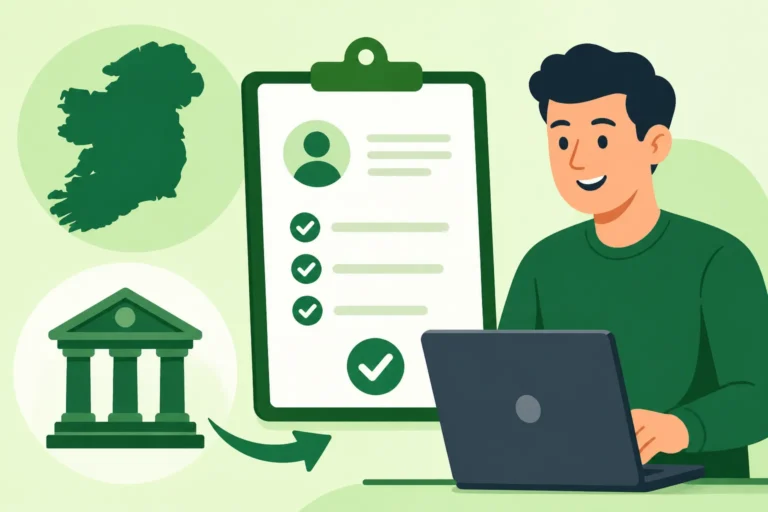
Before you can even think about earning income as a sole trader, you absolutely need an Irish Personal Public Service (PPS) number. If you've been employed in Ireland before, you'll already have one. If you're new to the country, securing this number is one of your very first bureaucratic hurdles, as it's essential for all interactions with public services, including the tax authority, Revenue. You can't register for tax as self-employed without it. This guide on How to Register for Tax and Get a PPS Number in Ireland is an excellent resource if you're still in the early stages of getting settled.
Once you have your PPS number, your next critical step is to register with Revenue (Ireland's tax authority) as a self-employed individual. This tells them you’re going to be generating income outside of the Pay As You Earn (PAYE) system. The registration process is primarily done online through Revenue's myAccount service. You'll typically register as a "sole trader" or "self-assessed individual." This act of registration is what formalises your self-employment for tax purposes. Without it, you could face penalties for undeclared income, which is something no one wants to deal with when building a new life.
Setting Up Your Business Name and Bank Account
Choosing a business name is often one of the most exciting parts for new entrepreneurs! As a sole trader, you can simply trade under your own name (e.g., "Jane Smith Marketing"). However, if you want a distinct business name (e.g., "Emerald Isle Marketing Solutions"), you need to register it with the Companies Registration Office (CRO). This is a separate step from Revenue registration and ensures your chosen name isn't already in use. It's a good idea to check the CRO's register online first to see if your preferred name is available before you get too attached to it. The registration process itself is relatively simple, requiring you to fill out a form (Form RBN1 for individuals) and pay a small fee.
While not a legal requirement for sole traders, opening a separate bank account for your business finances is highly recommended. Seriously, do not skip this step. Mixing personal and business funds can make bookkeeping an absolute nightmare, especially when it comes to tax time. Imagine trying to differentiate between your grocery shopping and a business expense if everything is in one account! A separate account provides clarity, simplifies record-keeping, and makes you look more professional to clients. Most Irish banks, like Bank of Ireland and AIB, offer specific business accounts tailored for sole traders. You can find more detailed advice on The Expat Guide to Opening a Bank Account in Ireland, which covers the nuances foreigners face when dealing with Irish financial institutions.
Registering Your Self-Employment with Revenue
The actual registration process with Revenue isn’t as scary as it sounds, but it does require attention to detail. This is where you officially declare your intention to operate as a self-employed individual.
Step-by-Step Guide to Online Registration
The vast majority of self-employment registrations in Ireland happen online via Revenue's myAccount service. If you're already registered for PAYE (because you had an employer in Ireland previously), you'll use your existing myAccount login. If not, you'll need to register for myAccount first using your PPS number.
Here's a simplified walkthrough:
- Access myAccount: Go to the Revenue.ie website and log into your myAccount.
- Navigate to Registration: Once logged in, look for a section related to "Manage Your Tax" or "Registration." You're typically looking for "Register for a Tax, Duty or Scheme."
- Select 'Income Tax': You'll be presented with various tax options. Choose "Income Tax" and then "Self Assessment (Self Employed)."
- Provide Business Details: You'll be asked for details about your business, such as the start date of your self-employment, a description of your business activity (e.g., "IT Consultant," "Freelance Writer," "Artist"), and your business name (if different from your personal name).
- Confirm and Submit: Review all the information carefully before submitting. Once submitted, Revenue will process your registration. You should receive a confirmation notice, usually within a few days, indicating that you are now officially registered as self-employed for tax purposes. It's a good idea to print or save this confirmation for your records. This is also the point where Revenue will assign you a Tax Registration Number (TRN), which is effectively your PPS number used in a business context.
It’s genuinely quite user-friendly, but if you hit a snag, don't hesitate to call Revenue directly. Their helplines are generally quite helpful.
Understanding Tax Responsibilities for Sole Traders
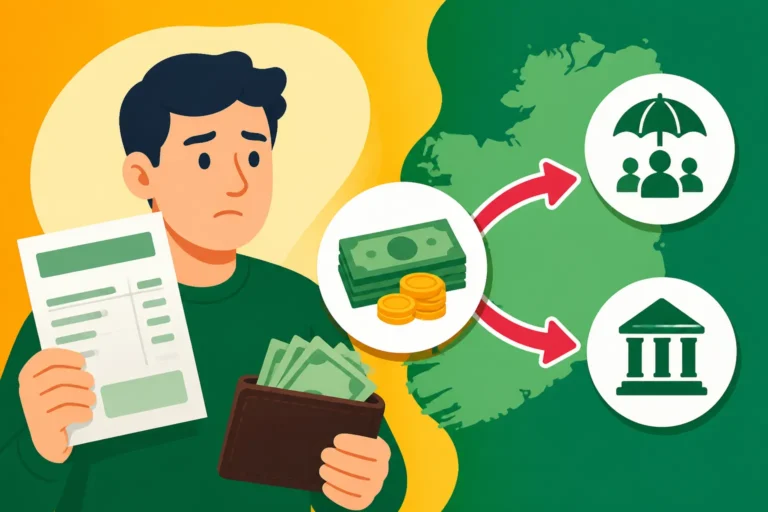
Registering with Revenue means you are now responsible for what’s called "self-assessment." Unlike employees who have their tax deducted automatically via PAYE, you, my friend, are now the one responsible for calculating, reporting, and paying your own income tax, Universal Social Charge (USC), and Pay Related Social Insurance (PRSI). This can feel like a big shift from the employee model, so understanding your new obligations is key.
You will typically operate on a "tax year" basis, which runs from January 1st to December 31st. Your tax return for a given year is generally due by October 31st of the following year. For example, income earned in 2026 would be reported on your 2026 tax return, due by October 31st, 2027. You'll also need to make payments for preliminary tax, which is an estimate of the tax you'll owe for the current tax year, paid in advance. This system is designed to spread out your tax payments rather than having one massive bill at year-end. We'll dive much deeper into these financial responsibilities shortly, but understanding that this is your new reality as a sole trader is foundational.
Navigating Taxes and Financial Obligations as a Sole Trader
This is often the part that sends shivers down an expat's spine – taxes! But honestly, once you understand the system, it's manageable. It's about being organised and proactive.
Income Tax, USC, and PRSI: Your Sole Trader Breakdown
As a sole trader, your business profit is treated as your personal income for tax purposes. You'll pay income tax on this profit, calculated after deducting eligible business expenses. Ireland uses a progressive tax system with different tax bands and rates. For instance, in 2026, the standard rate of income tax is likely to be 20% on income up to a certain threshold (the standard rate cut-off point), and 40% on income above that threshold. These thresholds can change, so it's always worth checking the latest Revenue guidelines or consulting a tax professional.
Beyond income tax, you'll also pay Universal Social Charge (USC) and Pay Related Social Insurance (PRSI). USC is a tax on gross income, with different rates applying to different bands of income. PRSI contributions for self-employed individuals (Class S PRSI) are crucial. These contributions entitle you to certain social welfare benefits, such as the State Pension (Contributory) and Maternity Benefit, which are different from the benefits available to employees. The current Class S PRSI rate is 4% of your income, subject to a minimum payment. It's really important to understand that your PRSI contributions as self-employed are different from those paid by employees, and they may not cover all the same benefits. This guide on Understanding PRSI, the State Pension and Retirement in Ireland can offer more clarity on what your contributions mean for your future.
Eligible Business Expenses and Record Keeping
One of the significant advantages of being self-employed is the ability to deduct legitimate business expenses from your income, thereby reducing your taxable profit. This is where meticulous record-keeping becomes your best friend. What counts as an expense? Think about anything "wholly and exclusively" incurred for the purpose of your trade. This could include:
- Office supplies (pens, paper, printer ink)
- Rent for a dedicated office space (or a portion of your home expenses if you work from home)
- Utility bills (electricity, internet, phone – again, a portion if working from home)
- Professional fees (accountants, solicitors)
- Marketing and advertising costs
- Training relevant to your business
- Travel expenses directly related to your business (e.g., meeting clients)
- Equipment purchases (laptops, cameras, software)
Keep every single receipt, invoice, and bank statement. Seriously, don't throw anything away! Revenue can request to see your records for up to six years. Organise them digitally or in a physical filing system. A good system saves you immense stress at tax time. For those feeling overwhelmed by the financial complexities, resources from services like Taxes for Expats can be invaluable, especially if you have international income or specific expat tax situations that might complicate your filings.
Filing Your Annual Tax Return and Preliminary Tax
Your tax journey culminates each year with filing your Income Tax Return, typically Form 11, if you’re a self-assessed individual. This is where you declare all your income, claim your expenses, and calculate your final tax liability. The deadline for filing your return and paying your tax for the previous year (along with your preliminary tax for the current year) is generally October 31st. If you file online through Revenue’s ROS (Revenue Online Service) or myAccount, you usually get an extension until mid-November. The process of Filing Your Tax Return with Revenue in Ireland: The Complete Walkthrough (2027) will break down the specifics.
Preliminary tax is your estimated tax payment for the current year. You pay this by October 31st (or mid-November if filing online) of the current tax year. For example, when you file your 2026 tax return (due Oct 2027), you’ll also pay preliminary tax for 2027. This payment needs to be at least 90% of your final tax liability for the current year, or 100% of your tax liability for the previous year, or 100% of your tax liability for the year before that. Getting this right prevents interest charges on underpayments. It sounds like a lot, but once you've done it once or twice, it becomes part of your annual business cycle.
| Tax Type | Description | Rate (Approx. 2026) | Who Pays? | When Paid? |
|---|---|---|---|---|
| Income Tax | Tax on your net profits (gross income minus eligible expenses) | 20% / 40% (progressive bands) | Self-Employed Sole Trader | October 31st (previous year), Preliminary tax (current year) |
| USC | Universal Social Charge on gross income (with some exemptions) | 0.5% – 8% (progressive bands) | Self-Employed Sole Trader | October 31st (previous year), Preliminary tax (current year) |
| PRSI (Class S) | Pay Related Social Insurance, contributing to social welfare benefits | 4% of income (min. contribution) | Self-Employed Sole Trader | October 31st (previous year), Preliminary tax (current year) |
| VAT | Value Added Tax (if applicable, above threshold) | 23% (standard) | Businesses above threshold | Bi-monthly, bi-annually, or annually |
(Note: Tax rates and thresholds are subject to change by government budgets. Always consult Revenue.ie for the most up-to-date information.)
Practicalities of Running Your Business: Invoicing, Banking, and Insurance
Beyond the tax man, there are a lot of day-to-day practicalities that come with running your own show. These aren't just details; they're the operational backbone that keeps your business running smoothly and professionally.
Generating Invoices and Managing Payments
As a sole trader, you'll be responsible for creating and issuing invoices to your clients. A professional invoice isn't just a request for payment; it's a legal document and a reflection of your business. Your invoices should clearly state:
- Your business name and address (and CRO registration number if you have one)
- Your client's name and address
- A unique invoice number
- The date of issue
- A clear description of the goods or services provided
- The quantity and unit price
- The total amount due
- Any VAT charged (if you're VAT registered, which we'll discuss)
- Your bank details for payment
- Payment terms (e.g., "Payment due within 30 days")
Many accounting software packages, like QuickBooks or Xero, offer invoicing features that streamline this process. For smaller operations, even a professional template in Word or Google Docs can suffice. It's crucial to follow up on overdue invoices promptly and professionally to maintain good cash flow. Delays in payment can severely impact a small business.
Understanding VAT Registration Thresholds
Not every sole trader in Ireland needs to register for VAT (Value Added Tax). You are only obliged to register for VAT if your annual turnover from the supply of goods or services exceeds certain thresholds. For the supply of services, the threshold is €40,000, and for the supply of goods, it's €80,000 (these figures can change, so always verify with Revenue). If your turnover is below these thresholds, you can still opt to register for VAT voluntarily, which might be beneficial if your clients are mostly VAT-registered businesses who can reclaim the VAT you charge.
If you do register for VAT, you'll need to charge VAT on your services or goods, collect it from your customers, and then remit it to Revenue. You'll also be able to reclaim VAT on your eligible business expenses. This adds another layer of accounting and regular filings to your plate, usually on a bi-monthly basis. It's a system designed to ensure tax is collected at each stage of a product or service's journey. Most new sole traders start below the VAT threshold and only register when their business grows.
Securing Essential Business Insurance
Just as you might protect your personal assets, you need to think about protecting your business. Business insurance is often overlooked by new sole traders, but it's a vital safety net. Remember that unlimited liability we talked about? Insurance can help mitigate some of those risks. Common types of insurance for sole traders include:
- Public Liability Insurance: Covers claims from third parties for injury or property damage caused by your business activities (e.g., a client trips in your home office, or you accidentally damage a client's property).
- Professional Indemnity Insurance: Essential for anyone offering advice or professional services (consultants, designers, tutors). It protects you against claims of negligence, errors, or omissions in your work that cause financial loss to a client.
- Employer's Liability Insurance: If you plan to hire anyone, even on a casual basis, this is a legal requirement.
- Business Interruption Insurance: Helps cover lost income and additional expenses if your business is forced to temporarily close due to unforeseen circumstances (e.g., fire, flood).
The type and level of insurance you need will depend heavily on the nature of your business. A freelance writer working from home will have different needs than a sole trader operating a physical retail shop. Companies like FBD, Allianz, and AXA are prominent insurers in Ireland and can provide quotes tailored to your specific business. Don't skimp on this; a single unforeseen incident could otherwise wipe out your budding business.
Beyond Sole Trader: Other Business Structures and Growth Considerations
The sole trader structure is a brilliant starting point for many, offering simplicity and direct control. However, as your business grows and evolves, you might find yourself wondering if it's still the best fit. There are other structures available in Ireland, each with its own advantages and disadvantages.
Limited Company: When to Consider the Switch
The most common progression from a sole trader is to incorporate a limited company. This is a significant step, as it creates a separate legal entity for your business, distinct from you as an individual. The primary advantage of a limited company is limited liability, meaning your personal assets are generally protected if the business runs into financial trouble. Your liability is limited to the amount invested in the company.
Other benefits include:
- Perceived Professionalism: A limited company often has more credibility with larger clients, investors, and banks.
- Tax Efficiency: For higher earners, profits retained within a limited company might be taxed more favourably than drawing them all as personal income. Corporation tax rates in Ireland are very competitive.
- Easier Transfer of Ownership: Shares in a company can be sold or transferred more easily than a sole proprietorship.
However, moving to a limited company also brings increased administrative burdens. You'll need to file annual returns with the Companies Registration Office (CRO), prepare audited (or abridged) financial statements, and comply with more stringent company law regulations. It's definitely more complex than being a sole trader, and you'll likely need an accountant to manage the compliance. If you're seriously considering this, a deep dive into How to Register a Limited Company in Ireland as a Foreigner would be your next read.
Partnerships and Other Structures
While less common for individual expats starting out, a partnership is another option if you're going into business with one or more people. In a general partnership, all partners typically share unlimited liability, similar to a sole trader. There are also limited partnerships (LP) and limited liability partnerships (LLP) in some professions, which offer some degree of limited liability to certain partners.
For most individual expats, the journey will either start and potentially stay as a sole trader, or progress to a limited company. The key is to periodically review your business structure as your operations grow, your income increases, and your risk profile changes. What worked perfectly when you were just getting started might not be the most efficient or protective structure a few years down the line. Regular consultations with an accountant or business advisor can help you make informed decisions.
Niche Opportunities and Remote Work for Self-Employed Expats
Ireland’s vibrant economy and position as a global hub for many industries present unique opportunities for self-employed expats. Leveraging your skills, cultural background, and understanding of diverse markets can open doors that might not be as apparent to locals.
Leveraging Your Expat Background and Skills
Your international experience and native language skills are valuable assets that you can monetise. Many self-employed expats find success in areas where their background gives them an edge:
- Language Services: Translating, interpreting, or teaching your native language. As mentioned earlier, platforms like iTalki make it easy to find clients globally for language tutoring.
- Cultural Consulting: Helping Irish businesses understand foreign markets or assisting foreign companies in navigating the Irish landscape.
- Specialised Skills: If you have skills in high-demand sectors like IT, pharma, or finance, you can offer consultancy or freelance services to companies that might need project-based support without the commitment of a full-time hire. This is particularly true in cities like Dublin and Cork, where multinational companies are abundant.
- Catering and Hospitality: Bringing unique culinary traditions or event planning skills from your home country to the Irish market.
The key is to identify where your unique blend of skills and experiences creates value. Don't underestimate the demand for diverse perspectives and expert knowledge that comes from having lived and worked in different environments.
The Rise of Remote Work and the Digital Nomad Lifestyle
The pandemic accelerated the trend of remote work, making it even more viable for self-employed individuals to work from Ireland for clients located anywhere in the world. As a self-employed expat, you might be a graphic designer for a Silicon Valley startup, a content writer for a UK-based marketing agency, or a software developer for a German tech firm, all while enjoying the Irish lifestyle.
This digital nomad lifestyle, facilitated by self-employment, requires good internet connectivity (which is generally excellent in urban areas and improving across rural Ireland) and discipline. It also comes with specific tax considerations if your clients are primarily outside Ireland. You'll need to understand double taxation agreements to avoid being taxed twice on the same income. This guide on Working Remotely from Ireland: The Definitive Expat Guide (2027) will have more on this growing trend. The beauty is that your physical location becomes less of a barrier, allowing you to choose where you want to live based on lifestyle rather than proximity to an office.
Common Pitfalls and How to Avoid Them
Starting a business is thrilling, but it's also fraught with potential missteps. Many of these can be easily sidestepped with a bit of foresight, especially when you’re navigating a new country’s system.
Underestimating Administrative Burden and Record-Keeping
One of the biggest traps for new sole traders, particularly expats, is underestimating the sheer amount of administrative work involved. When you’re focused on delivering your service or making your product, it’s easy to let the paperwork pile up. Suddenly, it’s tax time, and you’re faced with a shoebox full of crumpled receipts and no clear idea of your income or expenses. This leads to stress, potential errors, and possibly penalties from Revenue.
How to Avoid: Implement a robust record-keeping system from day one. Use cloud-based accounting software (like Xero, QuickBooks, or FreeAgent, which all have Irish tax integration) or even a simple spreadsheet. Scan all your receipts immediately. Set aside dedicated time each week or month for administrative tasks, even if it's just an hour. Consider hiring a bookkeeper or an accountant early on, even if it feels like an extra expense. They can save you far more in avoided mistakes and tax efficiencies than their fees, especially as your business grows. Getting expert advice on The Complete Guide to Taxes in Ireland for Expats (2027) can make a massive difference.
Ignoring Local Regulations and Compliance
It’s tempting to assume that the rules are similar to your home country, but Ireland has its own set of unique regulations beyond just tax. Depending on your business, you might need specific licenses, permits, or professional registrations. For example, if you're a qualified professional (e.g., engineer, doctor, architect), your foreign qualifications might need to be recognised by the relevant Irish professional body before you can practice. If you handle food, you'll need to comply with food safety regulations. If you're selling goods online, you'll need to understand consumer protection laws.
How to Avoid: Research thoroughly! Before you launch, identify any industry-specific regulations or licensing requirements that apply to your business. Check with local authorities (your county council or city council), relevant professional bodies, and the Competition and Consumer Protection Commission (CCPC). Don't assume anything. A quick phone call or email can save you a world of trouble down the line.
Neglecting Networking and Building a Support System
As a sole trader, it can sometimes feel isolating. You're the CEO, the marketing department, the sales team, and the coffee maker all rolled into one. Expats often feel this even more acutely as they might not have an established professional network or social circle yet. While your business might be online, relying solely on digital interactions can limit your growth and mental well-being.
How to Avoid: Actively seek out networking opportunities. Join local business groups like your Chamber of Commerce, attend industry-specific events, or connect with other sole traders and freelancers. Look for expat business communities – many exist in larger cities. Building relationships can lead to referrals, collaborations, mentorship, and simply having people to bounce ideas off of or share frustrations with. Don’t forget about the Local Enterprise Offices (LEOs) across Ireland, which offer invaluable support, training, and sometimes even grants for new and small businesses. They are specifically designed to help local entrepreneurs thrive.
Disclaimer
The information provided in this guide is intended for general informational purposes only and does not constitute legal, financial, or tax advice. While we strive to provide accurate and up-to-date information, laws and regulations in Ireland can change. It is essential to consult with qualified professionals, such as accountants, tax advisors, legal professionals, or the relevant government bodies (e.g., Revenue, Companies Registration Office, Local Enterprise Offices), for advice tailored to your specific circumstances before making any business or financial decisions. The author and publisher disclaim all liability for any errors, omissions, or inaccuracies in the content.