Can I Get a Job in Ireland Without a Degree?
One of the biggest worries I hear from newcomers looking to build a life in Ireland is about securing employment, especially if you don't have a university degree tucked away. It’s a completely valid concern; many job descriptions seem to ask for a degree as a baseline, and it can feel like you're constantly hitting a wall. But let me tell you, that's not always the full picture. This comprehensive guide is here to shed light on the real opportunities in the Irish job market for those without a formal degree, offering practical advice and strategies to help you navigate your job search successfully.
The Reality of the Irish Job Market Without a Degree
It's easy to look at the thriving multinational companies in Dublin or Cork and assume that everyone needs a master's degree to get a foot in the door. While Ireland is certainly a hub for highly skilled professionals, that perception often overshadows the equally vibrant sectors that rely heavily on practical skills, experience, and a strong work ethic over academic credentials. The truth is, the Irish job market is far more diverse than it might first appear, and there are plenty of pathways to meaningful employment for those without a degree.
Dispelling Myths vs. Navigating Realities
Let’s be honest: you’ll see plenty of job postings that list a degree as a "required" or "preferred" qualification. This can be incredibly disheartening, making you feel like your chances are slim to none. It’s a reality that can cause a lot of frustration, especially when you know you have the skills, dedication, and experience to excel. However, it's crucial to understand that "preferred" doesn't always mean "mandatory," and even "required" can sometimes be bypassed with truly exceptional relevant experience. Recruiters and hiring managers are increasingly looking beyond traditional qualifications to find candidates who can genuinely do the job.
The myth is that you must have a degree. The reality is that for many roles, employers are looking for a specific skill set, demonstrable experience, and a good attitude. If you can clearly articulate how your non-degree background has equipped you with these attributes, you're already ahead. It often comes down to how you present yourself, your past achievements, and your readiness to learn and contribute to the Irish workplace culture.
Sectors That Value Experience Over Formal Qualifications
While certain professional fields, like medicine, law, or specific engineering disciplines, almost always require a degree, a significant portion of the Irish economy thrives on roles where practical experience and vocational training are king. These sectors are often more accessible for expats without a university degree, provided you have the right skills and enthusiasm.
One such area is the trades. Think plumbing, electrical work, carpentry, welding, and construction. Ireland has a constant demand for skilled tradespeople, and if you have certifications or extensive experience from your home country, there are often pathways to get these recognised or to gain Irish qualifications. Another robust sector is hospitality. Whether it's working in kitchens as a chef or line cook, behind a bar, or in hotel reception, these roles heavily prioritise experience, customer service skills, and reliability. Likewise, the retail sector, from shop assistants to store managers, often focuses on sales experience and interpersonal skills.
Healthcare support roles, such as healthcare assistants (HCAs) or care assistants in nursing homes, are another area of high demand. While specific certifications like a QQI Level 5 in Healthcare Support are typically required in Ireland, these are vocational qualifications that don't necessitate a university degree and can often be obtained relatively quickly. Even in the tech sector, while many roles are degree-centric, there are opportunities in areas like IT support, data entry, or quality assurance where demonstrable skills, self-taught knowledge, and relevant short-course certifications can open doors. Customer service, administrative support, and certain sales roles across various industries also frequently value experience and communication skills over a degree.
Strategies for Job Seekers Without a Degree
Alright, so you know it's possible. Now, how do you actually make it happen? It requires a strategic approach, focusing on what you do have rather than what you don't. Think of it as marketing yourself effectively, highlighting your unique strengths and proving your value to potential employers in Ireland.
Highlighting Skills, Experience, and Certifications
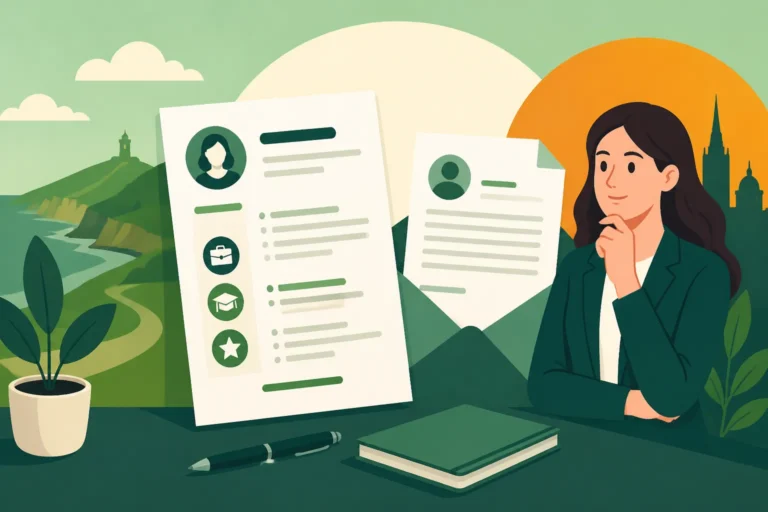
When you don't have a degree, your CV and cover letter become even more critical platforms for showcasing your capabilities. Instead of simply listing past jobs, focus on your transferable skills. These are the skills you’ve gained that can be applied across different jobs and industries. Think problem-solving, teamwork, communication, attention to detail, time management, and adaptability. Provide concrete examples of how you've used these skills to achieve results in previous roles.
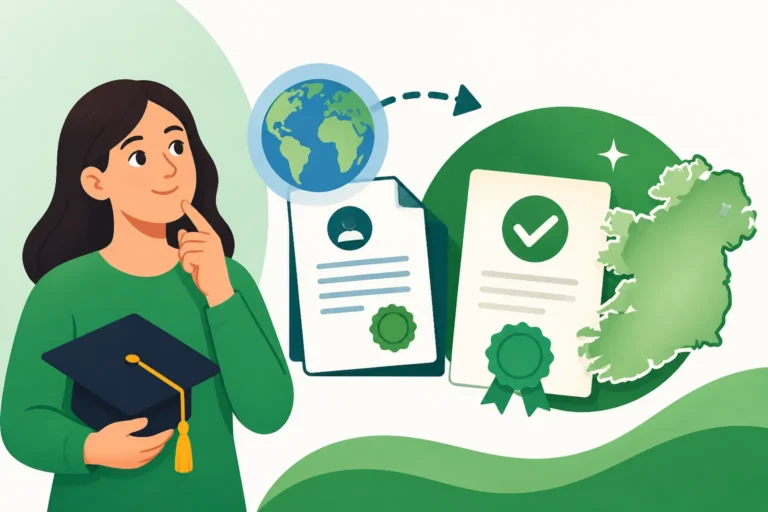
Vocational training and apprenticeships are hugely valuable. If you've completed a trade apprenticeship or gained certifications in areas like project management (e.g., PRINCE2 Foundation), specific software (e.g., Microsoft Office Specialist, Salesforce admin), digital marketing, or even a forklift license, these are powerful credentials. Make them prominent on your CV. Ireland, like many countries, values hands-on, practical expertise. If your qualifications from abroad are recognised, that’s fantastic. If not, research local certifications or courses that can bridge the gap. For example, some employers might be willing to take on a skilled electrician from outside the EU and support their journey to gain Irish accreditation, provided they demonstrate exceptional ability.
Networking and Localising Your Job Search
One of the most effective ways to find a job in Ireland, particularly without a degree, is through networking. It’s not just about who you know; it’s about making connections, learning about unadvertised opportunities, and getting advice. Attend industry events, meetups (look on platforms like Meetup.com), and professional association gatherings. LinkedIn is also incredibly powerful for connecting with people in your target industries and locations. Don't be shy about reaching out for informational interviews – a quick coffee with someone in a role you aspire to can provide invaluable insights and potential leads.
Beyond networking, it’s vital to localise your job search efforts. This means tailoring your CV to the Irish market. For example, in Ireland, a CV is usually two pages long, and it's common to include a personal statement or profile at the top. For more in-depth guidance, you might find articles like How to Write an Irish-Style CV and Cover Letter incredibly helpful. Also, engage with local job agencies. Many agencies specialise in specific sectors and have deep connections with employers who might be more open to hiring based on experience rather than degrees. Recruiters are often paid to find candidates, so they’re motivated to match you effectively. Mention the specific cities or regions you are interested in, as the job market can vary. For example, opportunities in Cork for trades might differ from administrative roles in Galway.
Finally, while English is the working language, any proficiency in Irish (Gaeilge), even basic, can be a charming addition, particularly for public-facing roles or in Gaeltacht areas. More broadly, if you speak other European languages, that can be a huge asset in multinational companies or the tourism sector. Boosting your language skills, perhaps even with platforms like iTalki where you can connect with native speakers, can significantly open doors and enhance your employability in a diverse economy like Ireland's.
Leveraging Language Skills
Ireland is an English-speaking country, so a strong command of English is typically a non-negotiable requirement for most jobs. However, if English isn't your first language, demonstrating your proficiency, perhaps through a language certificate or simply through confident communication, is crucial. But let's take it a step further: additional language skills can be a significant advantage, particularly for expats.
Many multinational companies operating in Ireland serve a pan-European or global market, meaning they often need staff who can communicate fluently in languages like French, German, Spanish, Portuguese, Italian, or Nordic languages. Roles in customer support, sales, shared services, and technical support frequently seek multilingual candidates. If you're proficient in another language, make sure this stands out on your CV and during interviews. Being able to offer a unique language skill can sometimes outweigh the lack of a degree, especially when coupled with relevant experience. If you’re looking to brush up on a language or even learn a new one that might boost your job prospects, online platforms like iTalki offer flexible options to connect with tutors and improve your conversational skills.
Practical Steps and Resources
Navigating the job market in a new country can feel like a labyrinth, but with a structured approach and knowing where to look for support, you can significantly improve your chances.
Crafting a Standout CV and Cover Letter
Your CV (Curriculum Vitae) and cover letter are your first impression, and when you don't have a degree, they need to work harder. Instead of a chronological list of academic achievements, focus on a "skills-based" or "functional" CV format. This allows you to group your skills and accomplishments by category (e.g., "Customer Service Excellence," "Project Management," "Technical Proficiency") rather than strictly by employer or education.
For each past role, use action verbs and quantify your achievements wherever possible. Instead of saying "managed social media," try "Increased social media engagement by 25% over six months, leading to X new customer inquiries." This demonstrates impact. Your cover letter is where you connect the dots for the employer, explaining why your unique set of experiences and skills makes you the ideal candidate for their specific job, even without the degree they might prefer. Research the company and tailor each letter. Generic applications rarely succeed. For more tailored advice, consider checking out resources like How to Improve Your CV for the Irish Job Market.
Understanding Employment Rights and Tax
Once you start working in Ireland, it's absolutely vital to understand your rights as an employee. Ireland has robust employment laws covering everything from minimum wage and working hours to annual leave and statutory sick pay. Familiarise yourself with these through the Workplace Relations Commission (WRC) or Citizens Information. Knowing your rights ensures you’re treated fairly and can advocate for yourself if needed. You might also want to look into Understanding Irish Employment Law and Worker Rights (2027) for a deeper dive.
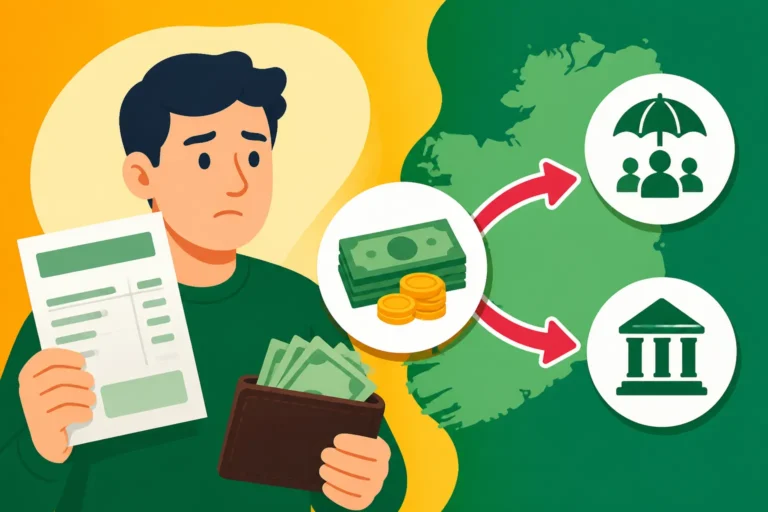
Equally important is understanding the Irish tax system. Your earnings will be subject to PAYE (Pay As You Earn), PRSI (Pay Related Social Insurance), and USC (Universal Social Charge). These deductions can seem complex, especially when you’re new to the system. Knowing how they affect your take-home pay is crucial for financial planning. Resources that simplify these concepts are incredibly helpful for expats. Understanding your take-home pay after deductions is crucial, and comprehensive guides and services, such as those offered by Taxes for Expats, can be invaluable in demystifying the Irish tax system and ensuring you’re compliant. You'll also need a PPS number to work, and guidance on How to Register for Tax and Get a PPS Number in Ireland is essential.
Upskilling and Further Education Options
Even if you don't have a degree, that doesn't mean your learning journey has to stop. Ireland offers numerous opportunities for upskilling and further education that don't require prior degrees.
- Further Education (FE) Colleges: These colleges offer a wide range of Post-Leaving Certificate (PLC) courses, QQI Level 5 and 6 qualifications, and vocational training in various fields like healthcare, business, IT, and creative arts. These qualifications are highly regarded by employers and often lead directly to employment or provide a stepping stone to higher education if you choose to pursue it later. Many of these courses are subsidised or free for eligible EU/EEA citizens and those with certain immigration statuses.
- Apprenticeships: Ireland has a growing number of apprenticeships across various sectors, not just traditional trades but also in areas like IT, finance, and hospitality. These combine on-the-job training with formal education, allowing you to earn a salary while gaining a recognised qualification.
- Online Courses and Certifications: Platforms like Coursera, edX, and local Irish providers offer flexible online courses that can enhance specific skills relevant to your desired industry. These can range from project management to digital marketing to specific software proficiencies.
- Language Learning: As mentioned, multilingualism is a huge asset. If you're looking to learn or improve another language, platforms like iTalki can provide accessible and affordable tutoring, giving you a competitive edge in certain job markets.
Investing in your skills and certifications shows initiative and commitment, which are qualities employers highly value, irrespective of your degree status. Remember, many of these programmes don't have stringent academic entry requirements beyond a certain level of English proficiency or a basic secondary school qualification.
Here's a quick overview of sectors and their typical degree considerations:
| Sector / Role Type | Degree Preference | Emphasis for Non-Degree Holders | Key Skills/Qualifications to Highlight |
|---|---|---|---|
| Trades (Plumber, Electrician, Carpenter) | Low to Medium | Vocational Certifications, Apprenticeships, Experience | Trade-specific qualifications (e.g., SOLAS, City & Guilds), years of hands-on experience, safety certifications. |
| Hospitality (Chef, Bar Staff, Hotel Ops) | Low | Experience, Customer Service, Reliability | Previous experience in similar roles, food safety certs (HACCP), excellent communication, multitasking, problem-solving. |
| Retail (Sales Assistant, Store Manager) | Low to Medium | Sales Experience, Interpersonal Skills | Customer service skills, sales track record, product knowledge, inventory management, cash handling. |
| Healthcare Assistant (HCA, Care Assistant) | Low (Vocational Cert) | QQI Level 5 (Healthcare Support), Empathy | QQI Level 5 Healthcare Support, First Aid, patient care experience, communication, compassion. |
| Customer Service / Call Centre | Low to Medium | Communication, Problem-Solving, Tech Literacy | Excellent verbal/written communication, conflict resolution, active listening, CRM software familiarity, multilingualism (if applicable). |
| Administrative Support (Admin Assistant, Office Manager) | Low to Medium | Organisational Skills, Software Proficiency | Microsoft Office (Word, Excel, Outlook), data entry, scheduling, attention to detail, communication. |
| IT Support (Entry-Level) | Medium | Certifications (CompTIA), Troubleshooting Skills | CompTIA A+, ITIL Foundation, basic networking, problem diagnosis, communication, self-taught tech skills. |
| Logistics & Warehousing | Low | Experience, Licences, Reliability | Forklift licence, inventory management, supply chain understanding, physical stamina, attention to detail. |
This table illustrates that while some sectors might prefer a degree, many genuinely prioritise practical skills and directly relevant experience. Your path into the Irish workforce is very much open, even if your educational background is different from what’s often advertised. Focus on what you can offer, showcase your capabilities, and don't be afraid to put yourself out there.
Disclaimer
The information provided in this guide is for general informational purposes only and does not constitute professional advice. While we strive to keep the content accurate and up-to-date, the Irish job market, immigration policies, and regulations can change rapidly. Readers are encouraged to verify all information with official sources, such as the Department of Enterprise, Trade and Employment, the Workplace Relations Commission, Revenue (Irish Tax and Customs), and the Immigration Service Delivery (ISD). Seeking personalised advice from relevant professionals (e.g., career counsellors, immigration solicitors, tax advisors) is always recommended for your specific situation.