What Is Capital Allowances for Business Assets in Ireland?
Navigating the labyrinth of tax regulations when you're running a business as an expat in Ireland can feel like trying to solve a Rubik's Cube blindfolded. One aspect that often leaves foreign entrepreneurs scratching their heads is understanding capital allowances – a crucial tax relief mechanism that can significantly impact your bottom line. This guide is designed to demystify capital allowances for business assets, helping you grasp how they work and how you can effectively claim them to ease your tax burden in your adopted home.
Understanding Capital Allowances: More Than Just a Tax Break
When you first set up a business in a new country, every penny counts. The thought of shelling out for essential equipment or even a building can be daunting, especially when you factor in the local tax implications. That's where capital allowances come into play. They're not just some obscure accounting term; they're a tangible benefit designed to reduce your taxable profits, making significant business investments more palatable.
What Exactly Are Capital Allowances?
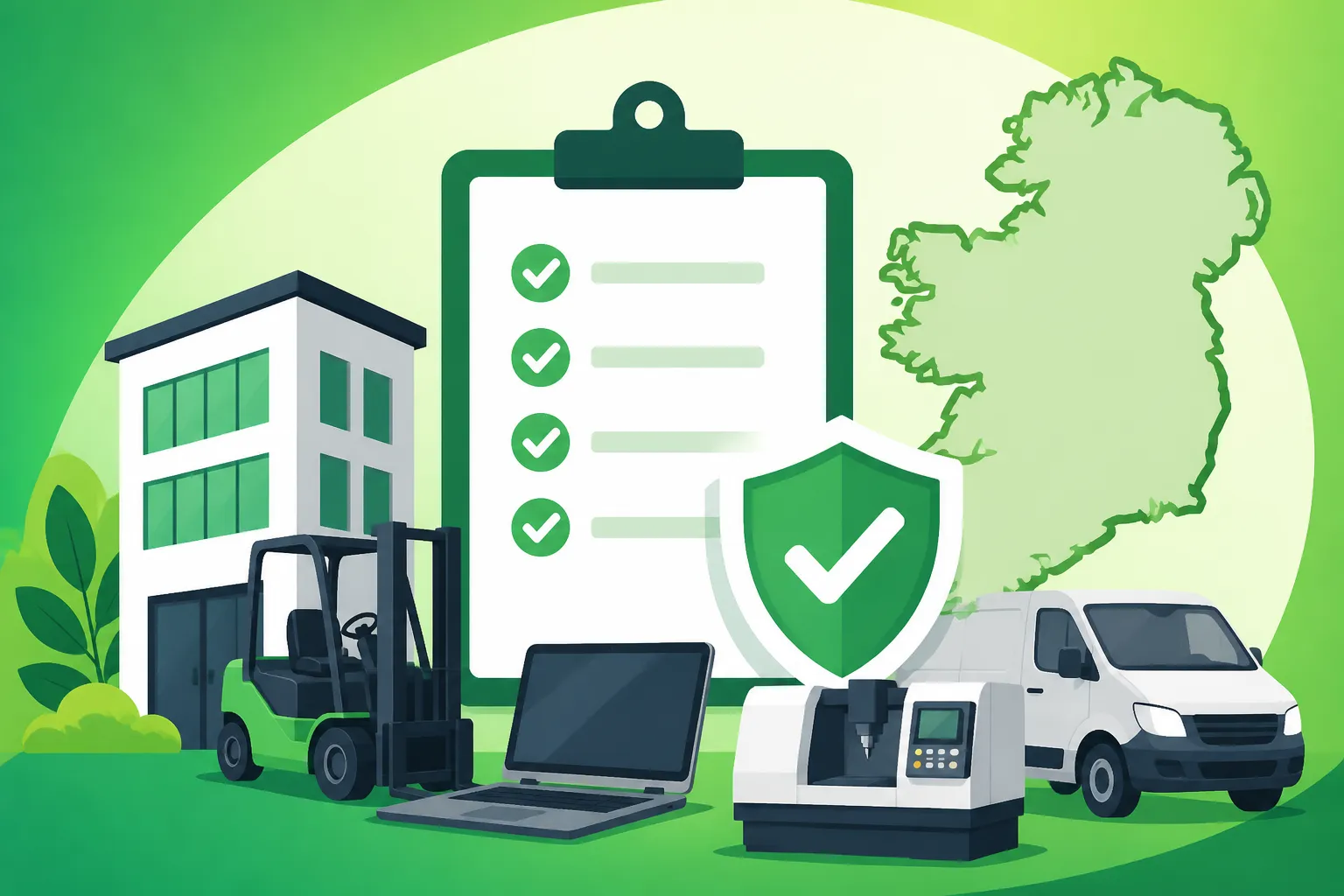
At its heart, a capital allowance in Ireland is a form of tax relief that allows businesses to deduct the cost of certain capital assets from their taxable profits over a period of time. Think of it like this: when you buy an asset for your business – a laptop, a company car, machinery, or even a building – that asset will naturally depreciate or 'wear out' over its useful life. The Irish tax system, overseen by Revenue, recognises this wear and tear. Instead of letting you deduct the entire cost of a brand-new, expensive piece of equipment in the year you buy it, which could drastically reduce your taxable profit unfairly for that single year, capital allowances spread that deduction out.
For expats running a small enterprise or even a larger company, understanding this concept is vital. It’s not just about getting a tax break; it’s about accurately reflecting the true economic cost of running your business and ensuring you're not paying tax on profits that have been effectively reinvested into the business through asset purchases. This system helps to encourage investment in assets that drive productivity and growth.
Who Can Claim Them?
The good news is that capital allowances are broadly available to a range of business structures operating in Ireland, whether you're a sole trader, part of a partnership, or running a limited company. The key is that you must be carrying on a trade, profession, or vocation, and the assets must be used for the purpose of that trade.
- Sole Traders: If you've decided to become a freelancer legally in Ireland or set up a small business on your own, you'll claim capital allowances on your annual tax return (Form 11). This will directly reduce your taxable income.
- Partnerships: For those operating as a partnership, the allowances are claimed by the partnership itself and then allocated among the partners, again reducing their individual taxable profits.
- Limited Companies: Companies claim capital allowances against their corporation tax, which can be a significant benefit, especially for growing businesses.
It's important to differentiate between capital expenditure and revenue expenditure. Capital expenditure is for assets that will last a long time and help generate income for years to come – these are what qualify for capital allowances. Revenue expenditure, on the other hand, is for day-to-day running costs like salaries, rent, or utility bills, which are fully deductible in the year they occur. Getting this distinction right is crucial for proper tax planning.
Why Are They So Important for Expats Running Businesses?
For expats, particularly those who have just moved here and are figuring out the local business landscape, capital allowances are more than just a dusty tax rule; they are a real financial lifeline. When you're making initial investments – perhaps fitting out an office in Dublin, buying tools for a new trade in Cork, or purchasing specialist software – these costs can feel prohibitive. Capital allowances mean that a portion of these significant upfront expenses effectively comes back to you through reduced tax bills over time.
This can free up cash flow, allowing you to reinvest in other areas of your business, hire more staff, or simply have more working capital. It helps level the playing field, making it easier for new businesses and foreign entrepreneurs to establish themselves and grow without being immediately overwhelmed by the full tax burden on their initial investments. Plus, properly utilising these allowances demonstrates a solid understanding of Irish tax compliance, which is always a good look for any business owner. If you're managing international transfers for your business, services like Wise can help ensure your funds move efficiently, leaving you more time to focus on these crucial tax details.
Types of Capital Allowances You Can Claim in Ireland
Ireland's tax system offers a few different categories of capital allowances, each with its own rules and rates. Understanding which assets fall into which category is key to maximising your claims. The most common and widely applicable allowance is for 'plant and machinery', but there are others worth knowing about too.
Plant and Machinery
This is probably the most common type of capital allowance claimed by businesses. It covers a vast array of physical assets that are integral to your trade, and which you use to make your products or deliver your services. This isn't just about heavy industrial equipment; it extends to everyday items that enable your business to function.
For example, if you run a marketing agency, your high-spec computers, printers, and office furniture (desks, chairs) would typically qualify. A graphic designer's specialist monitor, a chef's commercial kitchen appliances, a delivery driver's van, or even the CCTV system in a retail store could all be considered 'plant and machinery'. The general rule of thumb for these is the 'wear and tear' allowance. Currently, the standard rate for wear and tear on plant and machinery is 12.5% per annum, spread over an eight-year period. This means that you can claim 12.5% of the cost of the asset each year for eight years, eventually deducting the full cost from your taxable profits.
Imagine you're an expat setting up a small tech repair shop in Galway. You invest in diagnostic equipment, soldering stations, and a new work bench. These are all essential for your trade, will last several years, and are therefore prime candidates for plant and machinery capital allowances. Keeping meticulous records of these purchases is non-negotiable, as Revenue will want to see proof.
Industrial Buildings Allowances (IBAs)
While less common for every small business, Industrial Buildings Allowances (IBAs) are a significant relief for certain types of capital expenditure on buildings themselves. Unlike plant and machinery, which refers to the movable assets within a building, IBAs apply to the construction or acquisition costs of specific kinds of buildings or structures.
These typically include factories, warehouses, certain types of hotels, farm buildings, and buildings used for specific purposes like approved private hospitals, nursing homes, and qualifying holiday camps. For example, if you're an expat entrepreneur investing in building a new manufacturing plant in the midlands, or converting an existing structure into a qualifying hotel, you could be eligible for IBAs. The allowance usually applies at a rate of 4% per annum over 25 years. This relief helps to offset the enormous capital outlay involved in such large-scale projects. However, it's crucial that the building falls within Revenue's strict definition of an 'industrial building' for the allowance to apply.
Intangible Assets and Knowledge Development Box (KDB)
Ireland has positioned itself as a hub for innovation, especially in tech and pharma. Recognising the value of intellectual property, the tax system also provides relief for certain intangible assets. While not strictly "capital allowances" in the traditional sense of wear and tear, these provisions offer similar tax relief benefits for capital expenditure on valuable non-physical assets.
This includes things like patents, trademarks, copyrights, and know-how. If your business invests in developing or acquiring such assets, there are specific deductions available. Furthermore, Ireland introduced the Knowledge Development Box (KDB), which allows for a reduced rate of corporation tax (6.25%) on profits arising from qualifying intellectual property. This is a huge incentive for companies involved in research and development, turning innovative ideas into tangible tax savings. While more complex, for an expat running an innovative start-up, these allowances can be game-changers for your company's growth and profitability.
To navigate these more complex areas of Irish tax, especially when dealing with international aspects or specialized business structures, services like Taxes for Expats can provide invaluable guidance, ensuring you maximise every eligible allowance.
The Practicalities: How to Calculate and Claim Your Allowances
Once you understand what capital allowances are and what qualifies, the next step is the nitty-gritty of calculating and actually claiming them. This process involves a bit of maths and some careful form-filling with Revenue, so let's break it down.
Calculating Wear and Tear Allowances
The most common allowance you'll deal with is 'wear and tear' for plant and machinery. As mentioned, the standard rate is 12.5% per year over eight years. Let's walk through an example to make it clearer.
Suppose you bought a new computer for your consultancy business on 1st March 2024 for €2,000.
- Year 1 (2024): You can claim 12.5% of €2,000, which is €250.
- Year 2 (2025): You claim another 12.5% of €2,000, which is €250.
- This continues for a total of eight years.
After eight years, you will have claimed €2,000 (€250 x 8) in total allowances. It’s important to note that the 12.5% is applied to the original cost of the asset each year, not the reducing balance. This is distinct from how depreciation might be treated in other countries or for accounting purposes.
If you sell the asset before the eight years are up, or if it ceases to be used for the business, there might be a "balancing adjustment". If you sell it for more than its tax written down value (the original cost minus the allowances already claimed), you might have a "balancing charge" (additional taxable income). If you sell it for less, you might get a "balancing allowance" (an additional deduction). This ensures that over the lifetime of the asset's use in the business, the correct amount of relief is given.
The Claim Process with Revenue
Actually claiming these allowances is done through your annual tax return to Revenue.
- For Sole Traders and Partnerships: You'll declare your capital allowances on your annual Form 11 (the income tax return for self-assessed individuals). There's a specific section where you detail your capital expenditure and calculate the allowances you're claiming for the tax year.
- For Companies: Companies claim their capital allowances when they file their CT1 form (Corporation Tax Return). Similar to sole traders, there will be a section to list the assets, their costs, and the allowances being claimed for the accounting period.
It’s not just about filling out a number; you need to have the underlying data ready. This means knowing the date of purchase, the original cost, and having proof of purchase (receipts, invoices) for all assets you're claiming for. If you're unsure about specific aspects of filing your tax return with Revenue in Ireland, it's often wise to consult with a tax professional.
Record Keeping and Compliance
I cannot stress this enough: meticulous record keeping is paramount. Revenue is diligent, and if they ever audit your business, you'll need to substantiate every claim you've made. This means keeping:
- Original invoices/receipts: Proof of purchase showing the date, vendor, description of the asset, and cost.
- Asset register: A simple spreadsheet or dedicated software detailing each capital asset, its purchase date, original cost, the allowances claimed each year, and its current tax written down value. This helps you track the 8-year allowance period for each item.
- Disposal records: If you sell or dispose of an asset, keep records of the sale price and date.
Poor record keeping isn't just a headache; it can lead to disallowed claims, interest charges, and even penalties if Revenue deems it negligent. Get into the habit of digitalising your records and backing them up securely. This might seem tedious, but it will save you immense stress and potential financial penalties down the line. Remember, Revenue's myAccount and ROS online systems are designed to help you manage your tax affairs, but the accuracy of the data you input depends entirely on your own records.
Here's a quick overview of common assets and their typical wear and tear allowance rates:
| Asset Category | General Rate (Wear & Tear) | Claim Period (Years) | Example Assets |
|---|---|---|---|
| Plant & Machinery | 12.5% p.a. | 8 | Computers, vehicles, office furniture, machinery, tools, communication equipment |
| Industrial Buildings | 4% p.a. | 25 | Factories, warehouses, certain hotels, approved hospitals, farm buildings |
| Intangible Assets (e.g., Patents) | Various (Specific rules) | Usually 15 | Patents, copyrights, trademarks, know-how |
Note: The rates and rules can be complex and may vary for specific assets or industries. Always consult up-to-date Revenue guidance or a tax professional.
Common Pitfalls and Expert Tips for Expats
Even with a good grasp of the basics, expats can sometimes stumble over nuances unique to the Irish tax system or their personal circumstances. A little foresight and some expert guidance can make all the difference.
The "Ordinary Residence" Conundrum
For expats, the concept of "ordinary residence" in Ireland is crucial for determining your overall tax liability, and by extension, how certain business deductions, including capital allowances, might interact with your personal tax situation. If you're a newcomer, you might be particularly concerned about things like Understanding Tax Residency, Ordinary Residence and Domicile in Ireland. While capital allowances are primarily a business deduction, your individual tax residency status can affect how your overall taxable income (from which these allowances are deducted) is calculated, especially if you have foreign income alongside your Irish business income.
For instance, if you're deemed not ordinarily resident, certain foreign-sourced income might be treated differently under the remittance basis of taxation, impacting your overall tax strategy. It's a complex area, but the core message is: understand your personal tax residency status, as it forms the foundation of all your tax planning in Ireland, both business and personal.
When to Seek Professional Advice
While this guide provides a solid overview, tax legislation, especially concerning business, is complex and can change. For expats, the added layer of understanding a new country's system, potentially alongside international tax obligations, makes professional advice invaluable.
I can't stress this enough: do not try to be a hero and figure it all out yourself if you're uncertain. A qualified Irish accountant or tax advisor specialises in these rules and can ensure you're:
- Claiming all eligible allowances.
- Applying the correct rates.
- Meeting all compliance requirements.
- Avoiding costly mistakes.
They can also advise on more complex scenarios, such as the disposal of assets, balancing adjustments, or if your business expands into areas with specific tax reliefs. Firms that specialise in expat tax, like Taxes for Expats, can be particularly helpful as they understand the unique challenges faced by non-Irish nationals. Don't view it as an expense, but rather an investment that will save you money and stress in the long run.
Managing Business Finances Across Borders
Many expats running businesses in Ireland have international clients, suppliers, or even personal financial ties to their home country. This often means dealing with multiple currencies and international money transfers. When you're constantly moving money between different banking systems, the fees and unfavourable exchange rates can silently eat away at your business's profits.
This is where understanding How to Transfer Money Into and Out of Ireland as an Expat becomes crucial. Services like Wise (formerly TransferWise) have become incredibly popular among expats and businesses precisely because they offer transparent, often lower-cost international money transfers at competitive exchange rates. Instead of losing a chunk of your earnings or payments through traditional bank fees, platforms like Wise can help you retain more of your capital, which can then be reinvested into your business or claimed against your taxes if it was an expense. Efficient financial management, particularly across borders, complements smart tax planning, allowing you to focus on growing your business rather than worrying about hidden costs.
Disclaimer
The information provided in this guide is for general informational purposes only and does not constitute financial, legal, or tax advice. While every effort has been made to ensure accuracy, tax laws and regulations in Ireland are subject to change and interpretation. Expats and businesses should consult with a qualified Irish tax advisor or accountant for advice tailored to their specific circumstances. We do not endorse any specific financial products or services mentioned.