Do I Have to Pay Exit Tax When Leaving Ireland?
Planning your departure from Ireland can be an exhilarating, yet incredibly daunting, experience. Just when you think you’ve finally got your head around living here, you realise you now have to figure out how to leave properly. One of the biggest anxieties I hear from expats is that nagging question: "Do I have to pay an 'exit tax' when I leave Ireland?" It’s a common worry, and one that often causes unnecessary stress. This guide will walk you through the realities of Irish tax obligations for departing residents, separating fact from fiction, and offering actionable advice to ensure your financial exit is as smooth as possible.
Deconstructing "Exit Tax" in Ireland: What It Actually Means for Expats
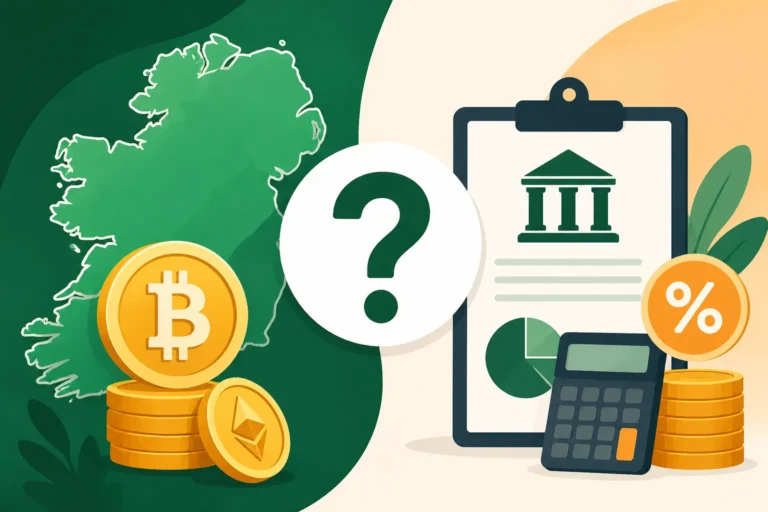
Let’s be honest, the term "exit tax" sounds terrifying. It conjures images of Revenue officials at the airport, demanding a slice of everything you’ve accumulated just as you’re about to board your flight. I remember that knot in my stomach, wondering if I’d forgotten some obscure payment. But here’s the thing: Ireland doesn't have a single, overarching "exit tax" in the way some other countries do, specifically designed to penalise you for leaving. However, that doesn't mean you can just pack up and disappear without a financial backward glance. There are certain tax implications that can arise because you are leaving, and these are often what people mistakenly refer to as an "exit tax."
The Myth vs. Reality of an Irish "Exit Tax"
The common misconception is that Ireland imposes a special levy on all your assets or wealth simply for ceasing your residency. This isn't strictly true. The Irish tax system is more nuanced. While there isn't a blanket tax for the act of leaving, the change in your tax residency status can trigger certain tax events that might look like an "exit tax" if you're not prepared. For instance, if you've been deemed ordinarily resident and domiciled in Ireland, your worldwide income and gains might have been subject to Irish tax. When you leave, your status changes, and this transition period is where the complexities lie. It's about ensuring all your affairs are in order up to the point of your departure and understanding how your new non-resident status affects previously held assets or income sources. Ignoring these can lead to unexpected tax bills down the line, long after you’ve settled into your new life elsewhere.
It's about finalising your tax obligations as an Irish resident and ensuring you don't inadvertently create new ones. This involves understanding your tax residency status for the year you leave, which is crucial for determining what income and gains are taxable in Ireland. For a deeper dive into this, you might find Tax Residency and Domicile in Ireland: A Definitive Guide for Expats (2027) particularly useful. The bottom line is to not panic at the term "exit tax" but rather to be proactive in understanding your specific tax position as a departing expat.
Capital Gains Tax on Departure: What You Need to Know
While there’s no general "exit tax," Capital Gains Tax (CGT) is often the primary area where departing expats can face significant tax liabilities. If you’ve sold assets while you were still tax resident in Ireland, any gain from those sales would typically be subject to CGT. This includes things like shares, investment properties, or even valuable personal possessions. The rate of CGT in Ireland is currently 33% (as of 2026), which is a substantial chunk of any profit you might make.
The crucial point here is the timing of the sale relative to your tax residency. If you sell an asset after you have definitively ceased to be an Irish tax resident, then typically Ireland will no longer have a claim on the capital gain, unless the asset itself remains an "Irish situate asset" (like real estate in Ireland). This is where planning becomes key. For example, if you own shares that have appreciated significantly and you plan to sell them, doing so after you've become a non-resident of Ireland could potentially mean the gain isn't taxable in Ireland. However, you must carefully navigate the rules for determining non-residency to avoid any ambiguity. A misstep here could mean Revenue still considers you resident for tax purposes during the year of sale, even if you’ve physically left the country. For more detail, check out Understanding Capital Gains Tax (CGT) in Ireland.
This also applies to any shares or financial instruments you might have received as part of an employee share scheme. If you exercise share options or vest Restricted Stock Units (RSUs) around the time of your departure, the capital gain element might fall under Irish CGT if the deemed disposal occurs while you are still tax resident. It's not about being penalised for leaving, but about ensuring that gains realised during your period of Irish tax residency are properly accounted for.
The Impact on Your Investments and Assets as You Leave
Beyond direct sales, your investment portfolio and other assets need careful consideration when you’re severing ties with Ireland. Many expats accumulate various investments, from local funds to international portfolios, while living and working here. The Irish tax system generally taxes residents on their worldwide income and gains. When you become a non-resident, this changes.
If you hold Irish-domiciled investments, such as units in an Irish investment fund or shares in an Irish company, the tax treatment of these might change, but they don't necessarily incur an "exit tax" upon your departure. Instead, future gains or income from these assets will be treated according to your new tax residency and the tax treaties between Ireland and your new country of residence. However, it's vital to ensure that any gains accrued before your departure are accounted for. This might mean a "deemed disposal" for certain assets, particularly if you held them through an Irish-regulated wrapper. It’s not uncommon for expats to overlook the tax implications of their pension funds, for example, especially if they are considering transferring them abroad.
The key message here is proactive financial planning. Before you even start packing boxes, take stock of all your assets and investments. Consider their current value, their acquisition cost, and any potential gains that have accrued. Speak to a financial advisor who understands both Irish tax law and international taxation. This is where specialist firms like Taxes for Expats become invaluable, as they deal with these intricate cross-border scenarios every single day. They can help you determine if a strategic sale before or after your departure makes more sense from a tax perspective, always within the bounds of legal compliance, of course.
Your Pre-Departure Financial Checklist for a Smooth Exit
Leaving Ireland isn't just about saying goodbye to your local pub; it's also about a meticulous financial clean-up. Skipping steps here can lead to headaches, unexpected bills, and even problems if you ever decide to return. I’ve seen friends get caught out years later because they didn’t properly notify Revenue or close an old bank account. It’s not fun.
Informing Revenue and Establishing Your Tax Non-Residency
This is probably the most critical step for any departing expat. You absolutely must inform Revenue (Ireland’s tax authority) of your intention to leave and your cessation of Irish tax residency. This isn't optional. Failing to do so can mean Revenue continues to consider you an Irish tax resident, even if you're living on the other side of the world, leading to ongoing tax obligations and potential penalties.
The process usually involves completing specific forms, such as a Form 12 (for PAYE taxpayers) or a Form 11 (for self-assessed individuals), and indicating your date of departure and intention to cease Irish tax residency. This is where you’ll reconcile your income, tax credits, and any taxes paid or due up to your departure date. You might even be due a tax refund if you’ve overpaid tax during the year you leave, especially if you cease employment mid-year. Don't forget to mention that you're leaving; otherwise, the system might just process your return as a normal resident. For a detailed guide on this, see How Do I File My Income Tax Return in Ireland?. It’s also wise to apply for a tax clearance certificate before you go, as this can be a handy document to show that all your tax affairs are in order. Find out how in How Do I Get a Tax Clearance Certificate Before Leaving Ireland?.
It's not just about telling them you're leaving; it's about proving you're no longer tax resident. This means breaking ties, financially and physically, to Ireland. This includes cancelling subscriptions, closing utility accounts, and having a clear date when you physically leave the country. Your "ordinary residence" status is also key here, as even if you're not tax resident in a given year, you might still be ordinarily resident and thus taxed on certain foreign income. This can be complex, and getting it right ensures you're not caught by unforeseen liabilities years down the line.
Managing Bank Accounts and International Transfers
What to do with your Irish bank accounts? This is a question that stumps many. Some people choose to keep a basic account open for a while, perhaps for final payments or direct debits that might trickle in. Others close everything the day before they leave. My advice? Don't be too hasty.
Before you cancel your accounts, ensure all your final bills, refunds (like your rental deposit), and any outstanding payments are processed. Once you’re certain you no longer need an active Irish bank account, you can proceed to close it. Most banks, like AIB or Bank of Ireland, will require you to visit a branch or send a signed letter requesting closure, and you’ll need to provide an account for the remaining balance to be transferred to. Remember that trying to close accounts from abroad can be a bureaucratic nightmare, so try to do as much as possible before you leave.
Then there’s the question of moving your money. Transferring your savings from Ireland to your new home country needs a reliable and cost-effective solution. Traditional banks can hit you with hefty fees and poor exchange rates. This is where services like Wise (formerly TransferWise) really shine. They offer competitive exchange rates and transparent fees for international money transfers, saving you a good chunk of cash that would otherwise disappear into bank charges. I’ve used them countless times, and they’ve been a lifesaver for moving money across borders without fuss. You can learn more about efficient transfers in How to Transfer Money Into and Out of Ireland as an Expat. Make sure you have all your new bank details ready, including IBAN, SWIFT/BIC codes, and any specific beneficiary details required by your new bank.
Untangling Pensions, Social Welfare, and PRSI
Pensions can be one of the trickiest areas to navigate when leaving Ireland, particularly for expats who have contributed to an occupational pension or a Personal Retirement Savings Account (PRSA). Your contributions to Pay Related Social Insurance (PRSI) in Ireland contribute to your entitlement to certain social welfare benefits and, critically, the State Pension.
If you’re leaving permanently, you might be wondering about your pension pot. While you generally can’t access your occupational pension until retirement age, you might be able to transfer it to a pension scheme in your new country of residence, depending on the rules of both countries and any existing double taxation agreements. This is a complex area and almost always requires professional advice to ensure you don't incur unnecessary tax charges or lose out on benefits. Similarly, your PRSI contributions might be relevant for claiming social welfare benefits in your new country if Ireland has a social security agreement with that country.
It's also worth understanding that your PRSI contributions count towards the Irish State Pension. If you've worked in Ireland for a number of years, you may still be entitled to a pro-rata State Pension when you reach retirement age, even if you're no longer living here. The specifics depend on your total contributions and any agreements Ireland has with your new country. Don't let your hard-earned contributions just vanish. For more information, have a look at Understanding PRSI, the State Pension and Retirement in Ireland. Always keep records of your PPS number and employment history in Ireland, as these will be essential for any future claims.
| Financial Aspect | Action Before Leaving Ireland | Key Considerations |
|---|---|---|
| Tax Residency | Inform Revenue of departure | Complete relevant forms (e.g., Form 12, Form 11). Cease tax residency effectively. Consider a tax clearance certificate. |
| Capital Gains | Review assets and investments | Understand CGT implications for any sales before or after departure. Seek advice on "deemed disposals" for certain assets. |
| Bank Accounts | Finalise payments/refunds | Close unnecessary accounts. Keep one open temporarily if needed for residual payments. |
| Money Transfers | Plan international transfers | Use cost-effective services like Wise for competitive rates and lower fees. |
| Pensions | Review and seek advice | Understand options for occupational or PRSA pensions (transfer, leave invested). Don't ignore State Pension entitlements from PRSI. |
| Tax Returns | File final returns | Ensure all income and deductions up to departure date are declared. Claim any eligible refunds. |
| PPS Number | Keep safe and secure | Essential for any future dealings with Revenue or social welfare from abroad. |
Practical Steps for Tax Compliance and Financial Smooth Sailing
Leaving Ireland can feel like an administrative marathon, but with a structured approach, you can cross the finish line with your finances intact and your peace of mind secure. The goal is to avoid nasty surprises down the road, which is entirely achievable with proper planning.
The Value of Professional Tax Guidance
Navigating international tax implications is incredibly complex, especially when you’re changing tax jurisdictions. What might seem straightforward in your home country can be completely different in Ireland, and vice-versa. This is precisely why engaging a professional tax advisor is not just a good idea, it's almost essential. Trying to interpret double taxation treaties, residency rules, and the nuances of CGT on your own can lead to costly mistakes.
A good tax advisor specialising in expat taxes will understand the specifics of Irish tax law and how it interacts with the tax system in your new country of residence. They can help you:
- Accurately determine your tax residency status for the year of departure.
- Advise on the most tax-efficient timing for selling assets.
- Explain any "deemed disposals" or specific rules for certain investments.
- Help you apply for any tax refunds you might be due, such as overpaid PAYE or tax credits.
- Ensure your final tax return to Revenue is correct and complete, covering all your Irish-sourced income and worldwide income up to your departure date.
- Provide advice on your pension options, including potential transfers or how to ensure you retain your entitlements.
Don’t just pick any accountant; seek out one with international experience. Firms like Taxes for Expats are specifically set up to assist individuals moving across borders, and their expertise can save you a significant amount of money and stress in the long run. The fee for their services is often a wise investment against potential future penalties or missed opportunities for tax savings.
Ensuring Accurate Final Tax Returns
Filing your final tax return with Revenue is a non-negotiable step. This isn't just about declaring your income; it's your official way of telling the Irish authorities that your tax obligations as a resident are concluding. For PAYE employees, this will likely involve filing a Form 12 online via myAccount, specifying your date of departure. If you’re self-employed or have other complex income sources, you’ll be looking at a Form 11.
It's absolutely crucial that this return is accurate and covers all income and gains up to your official date of departure from Ireland. This includes your final salary, any bonuses, income from investments, and any capital gains realised while you were still an Irish tax resident. You'll also need to ensure all your tax credits are correctly applied for the portion of the year you were resident. If you’ve been paying tax through PAYE, you might find that you’ve overpaid tax due to tax credits being allocated on an annual basis. Your final return is your chance to reclaim any overpayment. Missing this step or filing an incomplete return can lead to queries from Revenue, potential audits, and delays in obtaining any tax clearance you might need in the future. For a step-by-step guide, check out Filing Your Tax Return with Revenue in Ireland: The Complete Walkthrough (2027). This process is how you formally declare that you’re no longer within Ireland’s primary tax net.
Practical Tools for Moving Your Money Home
Once your tax affairs are squared away and you’ve decided what to do with your Irish bank accounts, the final practical hurdle is often moving your remaining funds. As I mentioned, traditional banks can be quite costly for international transfers, with hidden fees and less favourable exchange rates.
This is where digital money transfer services come into their own. Companies like Wise have transformed how expats manage their finances internationally. They operate on a mid-market exchange rate, which is the rate you see on Google, and charge a small, transparent fee. This means more of your hard-earned money makes it to your new bank account. The process is usually straightforward: you link your Irish bank account, specify the amount and currency you want to send, and provide the details of your recipient account in your new country. Transfers are often much faster than traditional bank wire transfers, sometimes arriving within hours.
Beyond Wise, there are other options too, such as Revolut or N26, which offer multi-currency accounts that could be useful if you need to hold funds in Euros after leaving Ireland, or if you plan to travel through multiple countries. The key is to compare rates and fees and choose a service that aligns with the amount you're transferring and your timeline. Don't underestimate the impact of these costs; over a significant sum, even a small percentage difference in exchange rates can add up to hundreds or thousands of Euros. It's the final piece of the financial puzzle, ensuring that your money, just like you, makes a smooth transition to its new home.
Disclaimer
The information provided in this guide is for general informational purposes only and does not constitute professional tax, financial, or legal advice. Tax laws and regulations in Ireland are complex and subject to change. It is essential to consult with a qualified tax advisor or financial professional who can assess your individual circumstances and provide tailored advice before making any decisions related to your departure from Ireland and your tax obligations.