How Do I Find Remote Jobs Based in Ireland?
Finding a remote job based in Ireland can feel like searching for a pot of gold at the end of a rainbow, especially when you're an expat navigating a new country and a competitive job market. It's not always straightforward, and what 'remote' truly means here can often be a bit of a grey area. This guide will walk you through the realistic landscape of remote work in Ireland, providing you with actionable strategies and crucial insights to help you secure a legitimate remote position.
Understanding the Remote Work Landscape in Ireland
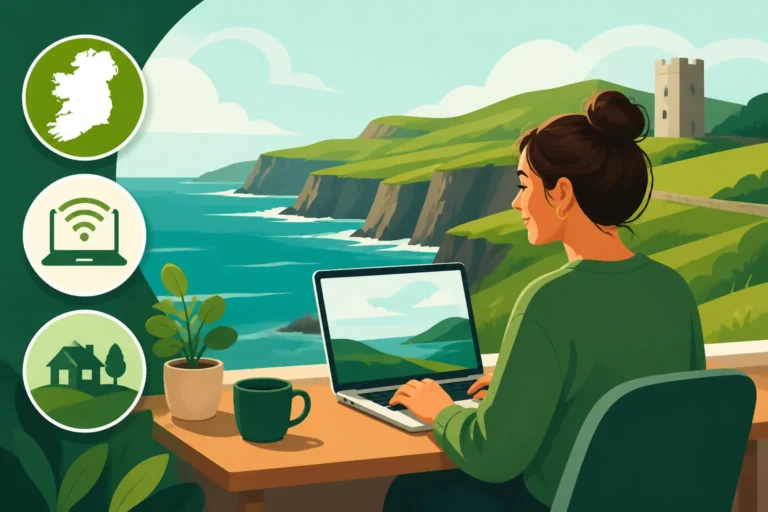
When you first start looking for remote jobs in Ireland, you might be picturing yourself working from a cosy cottage in the countryside or a buzzing city apartment, never having to set foot in an office. While that dream is certainly alive for some, the reality on the ground, especially since the pandemic, has evolved.
The Reality of Remote vs. Hybrid Work
Let's be upfront: true, 100% remote work, where you are never expected to go into an office, is less common than you might initially assume in Ireland. Many companies, particularly the larger multinational corporations that dominate the Irish employment scene, have shifted towards a "hybrid" model. This means you might be expected to come into the office one, two, or even three days a week.
This can be incredibly frustrating for expats who specifically sought remote work for flexibility, perhaps to be closer to family, or simply to avoid the often brutal commutes and housing costs associated with living right next to a city centre. You'll see job descriptions proudly stating "remote role," only to dig deeper into the fine print and find phrases like "successful candidate will be expected to attend the Dublin office two days per week." Always read the full job description carefully and don't hesitate to clarify the exact expectations around office presence during the interview process. The good news is that for many, even a hybrid model offers a significant improvement in work-life balance compared to a full-time office presence.
Key Industries for Remote Opportunities
Despite the prevalence of hybrid models, Ireland still offers significant opportunities for genuinely remote or highly flexible positions, especially within certain sectors. The tech industry, as you might expect, leads the charge. Dublin and Cork, in particular, are massive tech hubs, but the remote nature of many tech roles means you can tap into these opportunities from anywhere on the island. Think roles like software development, cybersecurity, cloud engineering, data analysis, and product management. These are often project-based and can be performed effectively from home.
Beyond tech, the pharmaceutical and med-tech sectors, with their strong presence in places like Cork and Galway, also offer some remote roles, particularly in areas like regulatory affairs, clinical trials coordination, and some IT support functions. The financial services sector, too, especially those with global operations, can offer remote positions in areas like compliance, risk management, and back-office operations. Finally, professional services, including consulting, marketing, and certain administrative roles, have also embraced flexibility. Many multinational companies (MNCs) that have European headquarters in Ireland tend to offer more flexible working arrangements due to their global nature and often larger infrastructure.
Navigating Your Job Search for Remote Roles
Finding a remote job in Ireland isn't just about clicking "apply" on every listing you see. It requires a targeted approach, understanding where to look, and knowing how to present yourself as an ideal remote candidate.
Where to Look: Online Platforms and Networks
Your first port of call will undoubtedly be online job platforms, and Ireland has its fair share of popular ones. Sites like IrishJobs and Jobs.ie are mainstream options where you’ll find a vast array of roles across all sectors. LinkedIn is another critical resource, not just for job listings but also for networking. When using these platforms, always leverage the "remote" or "hybrid" filter options. Be aware that sometimes "remote" can be buried in the job description rather than explicitly tagged, so broader searches might also be necessary.
Don't forget to explore company career pages directly, especially those larger tech and pharma companies known for their flexible work cultures. Companies like Google, Meta, Apple, Pfizer, and Intel often have dedicated sections for remote or hybrid opportunities in Ireland. Niche job boards focusing specifically on remote work, while not always Ireland-specific, can also be worth a look, though you’ll need to ensure the roles are based in Ireland for tax and legal reasons.
Networking, even if virtually, remains incredibly powerful. Join expat groups on social media, attend online industry webinars or meetups, and connect with professionals in your field who are already working in Ireland. A personal referral can often open doors that a cold application might not.
Tailoring Your Application for Irish Remote Roles
When applying for jobs in Ireland, whether remote or in-office, it’s crucial to tailor your application documents to the local expectations. Your CV, for example, should typically be concise, professional, and free of personal details like photos or marital status, which might be common in other countries. You can find excellent detailed guidance on How to Write an Irish-Style CV and Cover Letter.
For a remote role specifically, your cover letter needs to go beyond standard qualifications. You must explicitly highlight your experience with remote work, demonstrating your self-discipline, excellent time management, and proficiency with communication tools (Slack, Teams, Zoom, etc.). Emphasise how you effectively collaborate in a distributed team environment. If you’ve managed projects independently or have a track record of meeting deadlines without direct supervision, these are golden nuggets to include.
A significant hurdle for many expats is the "right to work" question. Always be transparent about your visa or work permit status in your application. If you’re a non-EEA national, you’ll need to clearly state that you require an employment permit, and that the employer would need to sponsor it. Don't leave this to ambiguity; it's better to address it upfront.
Language and Communication Skills
While English is the official language of business in Ireland, excellent communication skills are even more paramount in a remote setting. Misunderstandings can easily arise when communication is primarily text-based or through video calls. Demonstrate your clarity, conciseness, and ability to articulate complex ideas simply.
If English isn't your first language, or you simply want to refine your skills, there are excellent resources available. Platforms like iTalki can connect you with native English speakers for conversational practice, helping you build confidence and fluidity. Even if you're a native English speaker, understanding local nuances and expressions can smooth your integration into an Irish team. Some roles, especially those with client-facing responsibilities in certain European markets, might even value additional languages, so if you have them, highlight them!
Practicalities and Pitfalls of Remote Work in Ireland
Securing the job is just one part of the puzzle. Once you land that remote role, you need to ensure you're set up for success, both practically and legally.
The Importance of a Proper Work Setup
Working remotely isn't just about having a laptop; it's about creating a productive and sustainable work environment. First and foremost, you need reliable broadband. Ireland has a decent internet infrastructure, particularly in urban and suburban areas, with major providers like Eir, Virgin Media, and Sky offering various packages. However, connectivity can be spottier in more rural locations, so always check speeds and availability before committing to a rental, especially if you're aiming for that tranquil countryside escape. Our guide on How to Set Up Broadband and TV in Ireland can give you a clear roadmap for this.
Beyond internet, a dedicated workspace is crucial. Trying to work from your kitchen table might sound charming initially, but it can quickly lead to burnout and a lack of boundaries. Invest in a comfortable chair, a good monitor, and a quiet space where you can concentrate. Remember, your employer might also have specific requirements for your home office setup, and some even offer allowances for equipment.
Tax and Legal Considerations for Remote Workers
This is where things can get a bit complicated, but it's vital to get it right. If you are living and working in Ireland, even for a remote job, you are generally considered an Irish tax resident (if you meet certain criteria, like being present for 183 days or more in a tax year). This means you will be subject to the Irish tax system, including PAYE (Pay As You Earn), PRSI (Pay Related Social Insurance), and USC (Universal Social Charge). These deductions can be significant, so understanding them is key to managing your finances. You can dive deeper into the specifics with our comprehensive guide on How the Irish Tax System (Revenue) Works: PAYE, PRSI and USC Explained (2027).
It's not uncommon for expats to have complex tax situations, especially if they have foreign income or assets. Resources like Taxes for Expats can be incredibly helpful for navigating these complexities, ensuring you remain compliant with Irish Revenue while potentially taking advantage of double taxation agreements between Ireland and your home country. Getting professional advice in this area is almost always a good idea to avoid any unwelcome surprises down the line.
Furthermore, as a remote employee based in Ireland, you are entitled to the same employment rights and protections as any other worker in the country. This includes things like minimum wage, annual leave, sick pay, and protection against unfair dismissal. Familiarise yourself with Understanding Irish Employment Law and Worker Rights (2027) to ensure you know your entitlements.
Maintaining Connection and Preventing Isolation
The expat journey can, at times, feel isolating, and working remotely can exacerbate this. While the flexibility is wonderful, the lack of daily in-person interaction with colleagues can lead to feelings of disconnection. Many Irish companies, especially those with remote teams, are very conscious of this and put effort into fostering connection. Look for companies that organise virtual team coffee breaks, online social events, or even in-person meetups a few times a year.
It’s also important to proactively seek out social interaction. Join local expat groups, sports clubs, or volunteer organisations in your community. Consider occasional use of co-working spaces in cities like Dublin, Cork, or Galway if you crave a more structured, social work environment a few days a week. It’s about finding that balance between the comfort of home and the stimulation of external connection.
Here's a quick overview of some essential tools and considerations for remote work in Ireland:
| Aspect | Key Considerations for Expats |
|---|---|
| Internet Provider | Research Eir, Virgin Media, Sky, or local fibre providers. Check rural availability. Reliability is paramount. |
| Communication Tools | Familiarise yourself with Slack, Microsoft Teams, Zoom, Google Meet – these are standard. |
| Time Zones | Understand Ireland's time zone (GMT/IST) relative to any international team members or clients. |
| Tax Residency | Crucial for all remote workers based in Ireland. Understand PAYE, PRSI, USC, and potential double taxation agreements. Resources like Taxes for Expats can help. |
| Work Permit Status | Non-EEA nationals still require a valid employment permit, even for remote roles. The employer must sponsor this. |
| Dedicated Workspace | Essential for productivity and mental well-being. Separate work from living space if possible. |
| Networking | Join online expat groups, industry forums, and LinkedIn. Despite being remote, connections help with career progression and social integration. |
Overcoming Challenges and Maximizing Your Chances
Finding a remote job in Ireland as an expat comes with its own set of challenges, but with the right strategy and persistence, you can definitely make it happen.
Addressing the "Right to Work" Question
For many non-EU/EEA nationals, the biggest hurdle to securing any job in Ireland, remote or otherwise, is the "right to work" requirement. Unlike some countries where a remote role might bypass immigration requirements, in Ireland, if you are physically present in the country and working for an Irish-based company, you absolutely need a valid employment permit. This usually means securing an offer that qualifies for a Critical Skills Employment Permit or a General Employment Permit. A remote role doesn't exempt the employer from the need to sponsor your permit.
It's vital to understand How to Get an Employment Permit to Work in Ireland (2027). Companies are often hesitant to go through the sponsorship process unless you have highly in-demand skills, as it involves time and administrative effort on their part. Make sure your skills align with the eligible occupations list for critical skills, and always be upfront with potential employers about your immigration status and requirements. Our general guide, The Complete Guide to Irish Visas and Immigration Permission for Expats (2027), covers the broader context, and How Non-EEA Nationals Get Permission to Work in Ireland offers even more specific guidance.
Navigating Salary Expectations and Cost of Living
When discussing salary for a remote role, it's crucial to align your expectations with the Irish market, rather than solely your previous country's salary benchmarks. While remote work might sometimes lead to slightly more competitive salaries as companies cast a wider net, it's not a guarantee. Research the average salaries for your role and industry in Ireland. Our article How Much Is the Average Salary in Ireland in 2026? can give you a solid starting point.
Even if you're working remotely, you still need to live somewhere, and The Complete Guide to Cost of Living in Ireland for Expats (2026) indicates that expenses, especially housing, can be significant. Factor in rent, utilities, groceries, and social activities when assessing a job offer. A higher salary might sound great on paper, but if you're living in a high-cost area, it can quickly dwindle. Remember, remote work flexibility might allow you to live in a more affordable part of the country, which can significantly impact your disposable income.
The Power of Flexibility and Persistence
Finding the perfect remote role can take time, particularly if you're seeking a 100% remote setup that doesn't require any office presence. Be prepared for a potentially longer job search and don't get discouraged by initial rejections. Persistence is key.
Consider being flexible in your initial search. Perhaps a hybrid role that requires one day a week in the office could be your stepping stone. Once you’re established in a company, and they trust your work ethic and output, there might be more room to negotiate a fully remote arrangement. Demonstrating adaptability and a genuine interest in building a life in Ireland can also go a long way in interviews. Companies want to hire reliable, engaged employees who are likely to stay long-term.
Ultimately, finding a remote job based in Ireland as an expat is absolutely achievable. It requires careful planning, targeted searching, and a realistic understanding of the Irish job market and immigration landscape. Stay informed, tailor your applications, and leverage every resource available to you. Good luck on your remote work journey! For more general guidance, our The Complete Guide to Working in Ireland as a Foreigner (2027) offers a wealth of information.
Disclaimer
The information provided in this guide is for general informational purposes only and does not constitute professional legal, immigration, or financial advice. While we strive to provide accurate and up-to-date information, regulations and policies in Ireland can change. It is always recommended to consult with qualified professionals, such as an immigration solicitor, tax advisor, or financial planner, for advice tailored to your specific situation.