What Is Covered by the Public Health System in Ireland?
One of the biggest anxieties for anyone moving to a new country is figuring out the healthcare system. Ireland's can feel like a labyrinth, especially when trying to understand what the public system actually covers and what you might be on the hook for financially. This guide will walk you through the ins and outs of public healthcare here, detailing what services are available through the Health Service Executive (HSE) and what you might need to plan for yourself.
Demystifying Ireland's Public Health System: The HSE
Ireland's public health system, run by the Health Service Executive (HSE), aims to provide care to all residents, but the level of coverage can vary significantly depending on your eligibility, your income, and whether you have a Medical Card or GP Visit Card. It's a system designed to be accessible, but it's not without its quirks and challenges, especially for newcomers trying to navigate it for the first time.
Who is Covered by the HSE?
The most fundamental concept to grasp is "ordinary residence." If you are "ordinarily resident" in Ireland, you are entitled to access public health services. This isn't just about having a visa or living here for a few days; it means you're living here with a habitual and settled intention to stay for at least one year. Your intention matters more than just your physical presence.
For EU/EEA/Swiss citizens, your European Health Insurance Card (EHIC) covers medically necessary treatment during a temporary stay, but once you become ordinarily resident, you access services like any other resident. For non-EU citizens, if you have a valid work permit, study visa, or other long-stay permission and genuinely intend to reside here, you're usually considered ordinarily resident. This entitlement isn't tied to making specific tax contributions, but rather to your residency status. It can be a relief to know that even if you're fresh off the plane, as long as you intend to make Ireland your home for the foreseeable future, you generally have access to the public system. However, don't confuse this with free access to everything; that's where things get a bit more nuanced.
The Tiers of Public Healthcare: GP vs. Hospital
The Irish healthcare system essentially operates on two main tiers: primary care (your General Practitioner, or GP) and secondary care (hospitals and specialist services). Your GP is almost always your first port of call, the gatekeeper to the rest of the system. Think of them as your personal guide through the medical wilderness.
Accessing a GP involves registering with a local practice. You'll generally pay a fee for each visit unless you qualify for a Medical Card or a GP Visit Card. A standard GP consultation can set you back anywhere from €50 to €70, sometimes more in larger cities like Dublin. This out-of-pocket cost is a significant reason why many residents, especially those on lower incomes, rely heavily on the Medical Card or GP Visit Card.
The Medical Card is a golden ticket, granting access to nearly all public health services without charge, including GP visits, prescribed medications (with a small co-payment for some), public hospital services, and certain dental/optical treatments. However, it's means-tested, meaning your income and assets must fall below a certain threshold. The GP Visit Card is a slightly less comprehensive but still incredibly valuable alternative, covering GP visits without charge for those who don't quite meet the Medical Card's income requirements. Understanding these cards is crucial to managing your healthcare costs, and you can learn more about The Expat Guide to the Medical Card and GP Visit Card in Ireland (2027). Navigating the application process for these cards can be a bit of paperwork marathon, but for many, it's entirely worth the effort.
Core Services Covered by the HSE
When you’re ordinarily resident in Ireland, you can breathe a sigh of relief knowing that a broad range of essential medical services are covered by the HSE. However, "covered" doesn't always mean "free," and sometimes it means "eventually, after a wait." Let’s break down the key areas.
General Practitioner (GP) Services
As mentioned, your GP is the cornerstone of Irish healthcare. They're not just for when you're feeling under the weather; they manage your general health, provide preventative care, and act as the crucial referral point for specialists, hospitals, and diagnostic tests. It’s absolutely vital to Registering with a GP in Ireland: The Complete Expat Guide (2027) as soon as you settle in.
Without a Medical Card or GP Visit Card, each consultation with your GP will incur a fee, typically ranging from €50-€70. This covers a standard visit for common ailments, routine check-ups, issuing sick certificates, and basic prescriptions. For example, if you wake up with a nasty flu or need advice on a minor injury, your GP is where you'll go. They’ll assess you, provide initial treatment, and if necessary, refer you onwards. This step-by-step approach is central to How Ireland's Health System Works: The HSE vs Private Explained (2027).
Hospital Services: A&E, Inpatient, and Outpatient Care
When things get more serious, or require specialised attention, you’ll be dealing with hospital services.
- Emergency Departments (A&E): If you have a genuine medical emergency, you head straight to an Accident & Emergency (A&E) department at a public hospital. Crucially, there's typically a charge of €100 for attending A&E, but this fee is waived if you are subsequently admitted to the hospital, have a Medical Card, or are referred by a GP. It's a system designed to deter non-emergency visits, though often the waiting times can still be considerable. For serious emergencies, don't hesitate.
- Inpatient Care: Should your condition require admission to a public hospital, whether for surgery, observation, or extended treatment, the care itself (medical procedures, accommodation, meals) is generally covered. However, there's a daily inpatient charge, currently around €80 per night, capped at a maximum of 10 nights (€800) in any 12-month period. Again, Medical Card holders are exempt from this charge.
- Outpatient Clinics: These are specialist clinics within hospitals, where you see consultants for specific conditions that don't require immediate admission. Accessing these requires a referral from your GP. This is often where the infamous public waiting lists come into play. For instance, if your GP refers you to a dermatologist for a chronic skin condition, you might wait several months, or even longer, for your initial appointment. Understanding How Specialist and Consultant Referrals Work in Ireland is key here.
Maternity and Childcare
One area where the public system truly shines is maternity and infant care. Ireland's HSE Maternity and Infant Care Scheme provides an impressive level of care, mostly free of charge, for all ordinarily resident women. This covers a comprehensive schedule of antenatal appointments, scans, labour and delivery in a public hospital, and postnatal care for both mother and baby.
For parents, this is a huge relief. From your first booking appointment to your six-week postnatal check-up, the system is designed to support you every step of the way. Children also benefit from routine developmental checks and, perhaps most importantly, Understanding Childhood Vaccination Schedules in Ireland, which are provided free of charge by the HSE through your GP. These services are invaluable and ensure that families, regardless of income, have access to fundamental care during critical periods.
Prescription Medications and Other Schemes
Managing the cost of ongoing prescriptions can be a worry for many, but the HSE has mechanisms in place to help.
- Drugs Payment Scheme (DPS): This is a lifesaver for many. Under the DPS, no individual or family has to pay more than a set amount (currently €80) for approved prescription medicines in any one calendar month. Once you hit this cap, all further approved prescriptions are free for that month. You apply for this scheme, and it covers everyone in your household. It's a critical safety net against exorbitant medication costs, especially for those with chronic conditions. You can read more about it in Prescription Medications and Pharmacies in Ireland: The Complete Guide.
- Long-Term Illness Scheme: If you have certain long-term conditions (e.g., diabetes, asthma, epilepsy), you might be eligible for this scheme, which provides free medicines and medical appliances specifically related to that condition.
While these schemes are excellent, it's worth noting that the public system's coverage for things like routine dental work, optical check-ups, and certain therapies is often limited.
What the HSE Public System Generally Doesn't Cover (or has long waits/limited coverage)
While the public health system offers a wide array of services, it's equally important to understand its limitations. This is where many expats discover gaps that lead them to consider private alternatives.
Dental, Optical, and Allied Health
For most adults, routine dental care, such as check-ups, cleanings, and fillings, is not covered by the HSE. You'll typically pay for these out of pocket. There's a limited PRSI (Pay Related Social Insurance) dental scheme for employed individuals, which might cover one free annual check-up or a contribution towards a cleaning, but anything beyond that is generally a private expense. The same applies to optical care; standard eye tests and glasses are usually private, although a Medical Card might provide some coverage for eye tests and specific allowances for glasses.
Allied health services like physiotherapy, occupational therapy, and counselling are available through the public system, but often come with significant waiting lists or are only accessible via specific GP referrals for serious conditions. If you twist your ankle playing GAA or need ongoing therapy for a non-urgent issue, you'll likely be looking at private options, which means paying for each session.
Elective Procedures and Waiting Lists
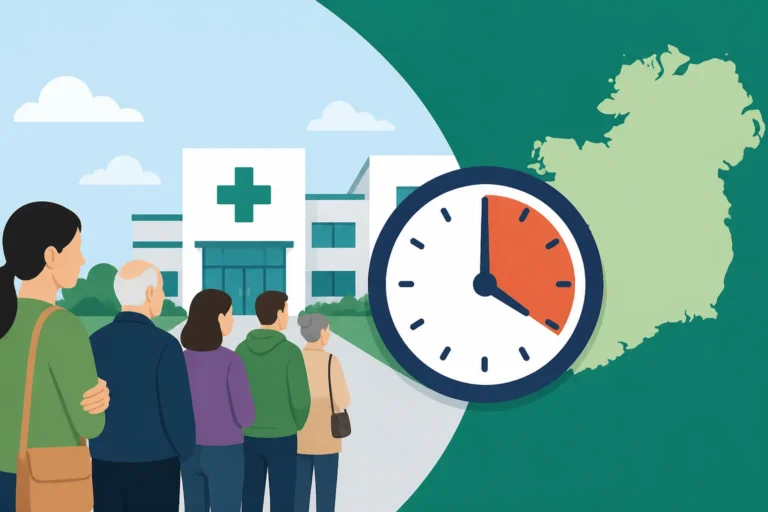
This is perhaps the biggest pain point for many interacting with the public system. While emergency surgeries are performed promptly, non-urgent or "elective" procedures often involve protracted waiting times. Need a hip replacement, cataract surgery, or a non-life-threatening diagnostic scan like an MRI? You could be waiting months, or even years, on a public hospital waiting list. This can be incredibly frustrating and debilitating, impacting quality of life and even career progression.
This reality is why a significant portion of the population, including many expats, opt for private health insurance from providers like VHI, Laya Healthcare, or Irish Life Health. These plans, while costly, offer access to private hospitals where waiting lists are dramatically shorter, allowing for quicker diagnosis and treatment. While SafetyWing is fantastic for travel medical insurance or initial emergency coverage when you first arrive, it's crucial to understand it's a travel policy and not a substitute for comprehensive Irish private health insurance for long-term residency. It's designed for global nomads and initial emergencies, not for navigating the specifics of elective procedures and specialist access within Ireland's resident healthcare system. Choosing between public and private can be a complex decision, one that many wrestle with. You can delve deeper into Public vs Private Healthcare in Ireland: Which Should Expats Choose?.
Mental Health Services
Mental health support is a growing concern globally, and Ireland is no exception. While the HSE does provide mental health services, including counselling, psychotherapy, and psychiatric support, accessing these can be challenging due to long waiting lists for public services. For urgent care, A&E is available, but for ongoing, non-crisis support, many find themselves facing delays.
This often leads people to seek private mental health professionals, which, of course, comes at a cost. A single session with a private therapist can range from €60-€100 or more. If you're considering your options, it's helpful to explore How to Access Mental Health Services in Ireland as an Expat to understand the full landscape of support available.
Navigating the System and Supplemental Coverage
Understanding the basics of what's covered is just the first step. The real art is in knowing how to navigate the system effectively and when to consider supplementing your public entitlements.
The Importance of a GP
I cannot stress this enough: your GP is your single most important resource in the Irish healthcare system. They are the initial point of contact for almost all non-emergency health concerns, responsible for diagnosis, treatment of common illnesses, management of chronic conditions, and crucial referrals to specialists or hospital services. Getting registered with a local GP practice as soon as possible after arriving is not just a good idea, it's essential for your health and for unlocking access to the wider HSE system.
Many new arrivals underestimate the importance of this step, only to find themselves scrambling when an illness strikes. Take the time to find a GP you trust, one who is accepting new patients in your area. This relationship is your gateway to everything from routine check-ups to life-saving referrals. Don't wait until you're unwell; make this a priority. Learn more about How to Register with a GP (Family Doctor) in Ireland.
Considering Private Health Insurance
Given the limitations of the public system, particularly concerning waiting lists for specialist appointments and elective procedures, many residents, including a significant number of expats, choose to purchase private health insurance. These policies are designed to complement the public system, offering quicker access to private consultants and treatment in private hospitals.
Leading providers in Ireland include VHI, Laya Healthcare, and Irish Life Health. They offer a range of plans, from basic inpatient hospital cover to comprehensive policies that include outpatient benefits, some dental/optical, and even cover for certain therapies. While it's an additional monthly expense, for many, the peace of mind that comes from knowing they can bypass public waiting lists is invaluable. For instance, if you require an MRI scan, a private referral might get you seen within weeks, rather than months in the public system. It’s a completely different experience.
It’s important to reiterate that while a robust travel insurance policy like SafetyWing is an excellent idea for initial trips or for immediate emergency cover when you first land in Ireland, it typically isn't designed to be a long-term solution for resident healthcare. These policies usually cover unexpected medical emergencies, not routine GP visits, ongoing specialist care for pre-existing conditions (unless specified and with additional premiums), or elective procedures once you're an established resident. For comprehensive, long-term healthcare as an expat in Ireland, local private health insurance, combined with your public entitlements, is usually the best approach. Exploring options for Health Insurance in Ireland: VHI, Laya, Irish Life and Options Explained is a must.
Emergency Care for Tourists and New Arrivals
Even before you establish "ordinary residence" or secure local private health insurance, emergencies can happen. If you're an EU/EEA/Swiss citizen visiting Ireland, your EHIC ensures you receive medically necessary public healthcare on the same terms as an Irish resident, typically meaning you'll pay the same charges (e.g., the A&E fee).
For non-EU/EEA visitors or new arrivals who haven't yet established ordinary residence, good travel insurance is paramount. A policy like SafetyWing can be a literal lifesaver, covering unexpected medical emergencies and potentially evacuation costs. Without it, you could face substantial bills for emergency treatment. Don't underestimate the financial risk; always ensure you have adequate coverage for your initial period in Ireland. For further details, consult Emergency Medical Care in Ireland: What Every Expat Needs to Know and The Cost of Healthcare in Ireland: A Complete Breakdown for Foreigners (2026).
Here's a quick overview of typical HSE coverage for ordinarily resident individuals:
| Service Category | HSE Public System Coverage (Ordinarily Resident) | Notes |
|---|---|---|
| GP Visits | Free with Medical/GP Visit Card; otherwise, fee applies (approx. €50-€70) | First point of contact, referrals. |
| Emergency Dept. (A&E) | €100 charge; waived if admitted or with Medical Card. | For genuine emergencies. |
| Inpatient Hospital Care | Daily charge (approx. €80/night, capped at 10 nights); free with Medical Card. | Covers hospital stays, procedures, accommodation. |
| Outpatient Specialist Appointments | Free (requires GP referral); long waiting lists common. | Consultation with consultants at public hospitals. |
| Prescription Medications | Free with Medical Card; capped at €80/month per family with Drugs Payment Scheme (DPS). | Applies to approved medicines. |
| Maternity Care | Mostly free under the Maternity and Infant Care Scheme. | Antenatal, delivery, postnatal care in public hospitals. |
| Childhood Vaccinations | Free via GP. | Standard immunisation schedule. |
| Routine Dental Care | Generally not covered for adults (some PRSI benefits apply). | Check-ups, cleanings, fillings typically out-of-pocket. Limited for Medical Card holders. |
| Routine Optical Care | Generally not covered for adults (some PRSI benefits apply). | Eye tests, glasses typically out-of-pocket. Limited for Medical Card holders. |
| Physiotherapy/Counselling | Limited public access, often long waiting lists. | May require GP referral; often sought privately. |
| Elective Surgeries | Covered, but often with significant waiting lists. | Non-urgent procedures; wait times can be extensive. |
Navigating healthcare in a new country is rarely straightforward. While Ireland's public system offers essential services for residents, it demands a bit of legwork to understand your entitlements and manage expectations regarding waiting times. Being proactive about registering with a GP, understanding potential out-of-pocket costs, and considering supplementary private health insurance will make your experience much smoother.
Disclaimer
Please remember that healthcare policies and costs in Ireland can change. While every effort has been made to provide accurate and up-to-date information as of 2026, this guide is for informational purposes only and does not constitute professional medical, legal, or financial advice. Always consult official HSE resources, a medical professional, or an insurance advisor for the most current and personalised guidance.