How Do I Apply for the Working Holiday Visa in Ireland?
So, you've been bitten by the travel bug, and the Emerald Isle is calling your name! Many young adventurers dream of experiencing Ireland beyond a quick holiday, truly immersing themselves in the culture, maybe picking up a job, and seeing if that famous craic is all it's cracked up to be. But the bureaucracy can feel like scaling a mountain before you even pack your bags. This guide is here to cut through the confusion, offering a clear, empathetic roadmap on how to apply for the Working Holiday Authorisation (WHA) in Ireland, ensuring you’re well-prepared for this incredible journey.
What Exactly is the Irish Working Holiday Authorisation WHA?
The Working Holiday Authorisation (WHA) is Ireland's way of inviting young people from specific countries to come and experience life here for an extended period, typically up to 12 months, or in some cases, 24 months. It’s not just a tourist visa; it grants you permission to work and study part-time, offering a fantastic opportunity to live like a local, earn some money, and truly explore the length and breadth of the island. Think of it as a golden ticket that combines travel with the flexibility to cover your costs.
More Than Just a Holiday: Work and Study Opportunities
Unlike a standard tourist visa, the WHA explicitly allows you to take up casual employment during your stay. This isn't about landing a high-powered career for a year, but rather finding jobs in hospitality, retail, or other sectors that allow you to fund your travels and daily life. Many expats on WHAs find work in pubs, cafes, hostels, or even temporary office roles. It's a brilliant way to meet people, gain new skills, and get a real feel for the Irish working culture. You're also permitted to undertake short-term courses, which could be anything from a language class to a traditional music workshop, adding another layer to your cultural immersion. The key here is the flexibility – it’s designed for experience, not permanent settlement.
Why Choose Ireland for Your Working Holiday?
Ireland, with its stunning landscapes, vibrant cities, and notoriously friendly locals, is an incredible choice for a working holiday. From the bustling streets of Dublin, where history meets modernity, to the rugged beauty of the Wild Atlantic Way, there’s an endless list of places to explore. For those coming from abroad, the cultural exchange is rich, the music scene is legendary, and the opportunities for outdoor adventures are abundant. Plus, being an English-speaking country with a strong connection to its diaspora, it often feels more accessible for many first-time long-term travellers compared to other European destinations. It's an ideal stepping stone for those looking to gain international experience without feeling completely out of their depth.
Eligibility Criteria: Are You a Fit for the Irish WHA?
Before you even dream of packing your bags, you need to make sure you meet the specific criteria for the Irish Working Holiday Authorisation. These aren't just suggestions; they are strict requirements, and missing even one can unfortunately lead to disappointment. The Department of Foreign Affairs sets these rules, and they are quite clear about who can apply.
Nationality and Age Requirements
First and foremost, the WHA is only available to citizens of certain countries with which Ireland has reciprocal agreements. This includes Australia, New Zealand, Canada, Japan, South Korea, Hong Kong, Taiwan, and the USA. If your passport isn't from one of these nations, sadly, this particular visa stream isn't for you. It's worth noting that agreements can change, so always check the most up-to-date information directly on the Irish Department of Foreign Affairs website.
The age limit is also crucial: you must generally be between 18 and 30 years old inclusive at the time of your application. For some countries, like Canada, this extends to 35. This means if you're turning 31 (or 36 for Canadians) soon, you need to get your application in quickly! This age bracket is designed to target young adults looking for an initial overseas experience, not those seeking permanent relocation in their later years.
Financial Stability and Return Travel
Ireland wants to know that you won’t be a burden on the state and that you have the means to support yourself during your initial period and potentially purchase a return ticket. This usually means demonstrating that you have access to sufficient funds. As of my last check, this is typically around €1,500 if you already have a return ticket, or €3,000 if you don't. This money should be readily accessible in your bank account, and you'll need to provide bank statements to prove it.
This financial cushion is vital because while you can work, finding a job immediately upon arrival can take time. You don't want to be stranded without funds. Additionally, you must be able to prove you have a return ticket or the financial capacity to purchase one. It's about showing that you're coming for a temporary experience and plan to leave when your authorisation expires.
Health Insurance and No Dependents
Another non-negotiable requirement is comprehensive private health insurance. This is absolutely critical. Ireland's public healthcare system is there, but if you're on a working holiday, you'll want to ensure you're covered for any emergencies, medical treatments, or even repatriation if something truly goes awry. The insurance policy needs to cover you for the entire duration of your stay in Ireland. This isn't just a recommendation; it's a mandatory part of your application. Providers like Cigna Global offer plans suitable for expats, and it’s well worth comparing options to find one that fits your needs and budget. Trust me, sorting out a medical emergency without proper insurance here can be a serious headache and a massive drain on your funds. It’s also crucial to understand that the WHA is for single individuals or those travelling without dependants. You cannot bring children or a spouse on this specific authorisation. If you're looking to bring family, you'll need to explore other visa categories, such as those related to family reunification or employment permits.
Here's a quick summary of key eligibility for some popular nationalities:
| Nationality | Age Range (inclusive) | Minimum Funds Required (approx.) | Max Stay | Notes |
|---|---|---|---|---|
| Australia | 18-30 | €1,500 (with return ticket) / €3,000 | 12 months | Can apply for a second 12-month WHA. |
| New Zealand | 18-30 | €1,500 (with return ticket) / €3,000 | 12 months | Can apply for a second 12-month WHA. |
| Canada | 18-35 | €2,500 (with return ticket) / €4,000 | 24 months | |
| Japan | 18-30 | €2,500 | 12 months | |
| South Korea | 18-30 | €2,500 | 12 months | |
| USA | 18-30 | €2,500 | 12 months | Requires a sponsor organisation like USIT. |
| Hong Kong | 18-30 | €2,500 | 12 months | Limited number of authorisations each year. |
| Taiwan | 18-30 | €2,500 | 12 months | Limited number of authorisations each year. |
Disclaimer: These figures and requirements are subject to change. Always verify the latest information on the official Department of Foreign Affairs website or your nearest Irish Embassy/Consulate.
The Step-by-Step Application Process for Your WHA
Alright, you've checked the boxes and confirmed your eligibility – excellent! Now comes the actual application. This part can feel a bit daunting because, let's be honest, dealing with any government's bureaucracy has its quirks. But if you follow these steps methodically, you'll be well on your way. Remember, attention to detail is your best friend here.
Gathering Your Essential Documentation
This is perhaps the most crucial stage. You need to assemble a dossier of documents that will prove your eligibility beyond a shadow of a doubt. Don't cut corners here; any missing or incorrect document can cause significant delays or even a refusal.
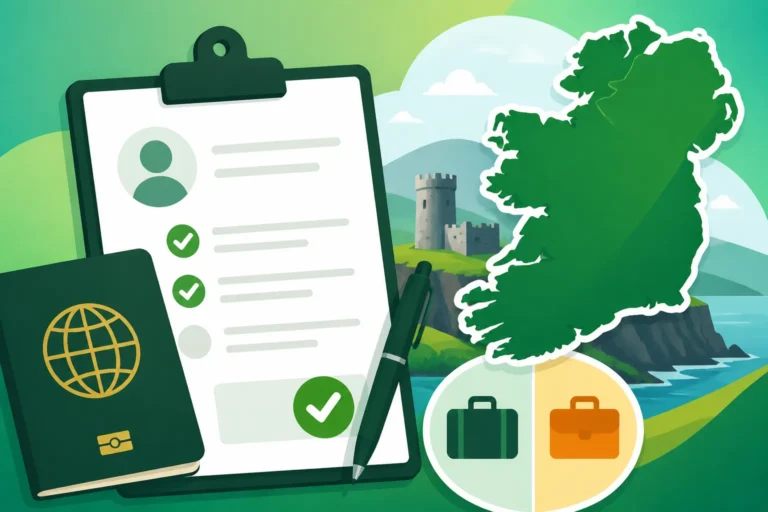
Here’s a typical checklist:
- Completed Application Form: This will usually be an online form or a downloadable PDF from your local Irish embassy or consulate website. Fill it out accurately and completely.
- Original Passport: Your passport must be valid for at least six months beyond your intended stay in Ireland. Make sure it has enough blank pages for stamps.
- Passport-Sized Photographs: Usually two, recent, colour photographs that meet standard passport photo specifications (white background, no glasses, neutral expression).
- Proof of Funds: Recent bank statements (usually within the last month) clearly showing the required minimum balance. These statements should be officially stamped or verified by your bank.
- Proof of Return Ticket (or sufficient funds): Either a confirmed flight itinerary showing your departure from Ireland, or bank statements demonstrating enough funds to purchase one.
- Proof of Private Health Insurance: A letter or certificate from your insurance provider (like Cigna Global) confirming that your policy covers you for the entire duration of your working holiday in Ireland. It should clearly state the start and end dates of coverage. Ensure it mentions emergency medical treatment and repatriation. If you're wondering, "Is healthcare free in Ireland for residents?", the answer is complex, and for WHAs, private insurance is non-negotiable.
- Photocopies: Always provide photocopies of all original documents. Some consulates might even ask for certified copies, so check their specific instructions.
- Letter of Intention: A personal letter outlining your reasons for wanting to undertake a working holiday in Ireland, what you plan to do, and how you intend to support yourself. Keep it concise and sincere.
- Consular Fee: There will be a non-refundable application fee. Check the exact amount and accepted payment methods with the relevant embassy or consulate.
For US citizens, the process often involves an authorised sponsor organisation like USIT. You’d apply through them, and they act as an intermediary, which can simplify some aspects but also adds another layer to the process.
Submitting Your Application
Once you have all your documents meticulously prepared, you'll need to submit them to the relevant Irish embassy or consulate responsible for your region. This is rarely done through the main Immigration Service Delivery (ISD) in Ireland itself for initial applications.
The method of submission varies by country:
- In-person: Some consulates require you to book an appointment and present your application in person. This is often preferred as it allows for immediate clarification of any issues.
- By Mail: Others allow you to mail your application. If doing this, always use registered post or a courier service (like DHL or FedEx) so you can track your precious documents. Include a self-addressed, pre-paid envelope for the return of your passport and authorisation.
Crucial Tips for Submission:
- Check Jurisdiction: Make sure you're applying to the correct embassy or consulate. Applying to the wrong one will just cause delays.
- Double-Check Everything: Before you seal that envelope or walk into that appointment, go through your checklist one last time. Imagine you're an immigration officer looking for any reason to reject it.
- Be Patient: Processing times can vary greatly depending on the time of year and the volume of applications. It can range from a few weeks to a couple of months. Do not book your flights until your WHA is approved and in your passport!
What Happens After Submission?
After you've submitted your application, it's a waiting game. The embassy or consulate will review your documents. They might contact you for additional information or an interview, though this is less common for WHA applications.
If successful, they will either return your passport with the Working Holiday Authorisation endorsed in it (a sticker or stamp), or they will send you an official letter of authorisation that you will present upon arrival in Ireland. This letter typically has a validity period within which you must enter the country. It's usually six to twelve months from the date of issue. Pay close attention to this validity period!
Life After Approval: What to Do Once You Land in Ireland
Congratulations! You've got your Working Holiday Authorisation, and Ireland is now within your grasp. But the journey doesn't end when you step off the plane. There are a few crucial steps you need to take upon arrival to ensure your stay is legal and hassle-free.
Registering with Immigration and Getting Your IRP Card
This is perhaps the most critical step once you land. Even with your WHA, you still need to officially register with Immigration in Ireland to get your Irish Residence Permit (IRP) card. This card is your proof of legal residency and permission to be in the country.
- Booking an Appointment: For most areas, especially in Dublin, you’ll need to book an appointment online with the Immigration Service Delivery (ISD). These appointments can be notoriously hard to get, so start trying to book one as soon as you have your travel dates confirmed, or even from your home country if possible. If you are outside of Dublin, you’ll typically register at your local Garda National Immigration Bureau (GNIB) office. You can find more details on how to register for an IRP Card with Immigration in Ireland.
- Required Documents for IRP Registration: When you attend your appointment, you’ll need your passport with the WHA endorsement, your letter of authorisation (if you received one), proof of your Irish address, and possibly your bank statements and health insurance details again. It’s always best to bring all your original documents.
- The Cost: There's a registration fee for the IRP card, currently €300, payable by credit/debit card only at the office.
- The Outcome: Once registered, you’ll receive your IRP card by post, usually within 10-15 working days. This card will state your immigration stamp (likely Stamp 1 for WHA holders, allowing you to work) and the expiry date of your permission. This is your official document for everything from opening a bank account to proving your right to work.
The Job Hunt and PPS Number
With your IRP card sorted, you’re officially good to go for seeking employment. Many WHA holders find work in hospitality (pubs, restaurants, hotels), retail, administration, or even seasonal agricultural work. Online job boards like IrishJobs.ie and LinkedIn are good starting points. Networking with other expats and locals is also incredibly effective.
Before you can start earning legally, you’ll need a Personal Public Service (PPS) Number. This is Ireland's social security number and is essential for employment, tax, and accessing public services.
- How to Apply: You apply for a PPS number through the Department of Social Protection. You'll typically need proof of your identity (passport), proof of address in Ireland, and a letter showing you've been offered employment or need the PPS number for another legitimate reason (e.g., enrolling in a course).
- The Process: You can apply online via MyWelfare.ie or by visiting a local Intreo Centre. They’ll usually verify your identity and give you your PPS number within a few days or weeks. Without it, you cannot be paid by an employer, and you’ll be on emergency tax, which nobody wants! You can find more information about How to Register for Tax and Get a PPS Number in Ireland.
Setting Up Your Life: Bank Accounts, Utilities, and Accommodation
With your immigration status and PPS number sorted, you can now truly settle in.
- Bank Account: Opening an Irish bank account is crucial for managing your finances, receiving wages, and paying bills. Banks like AIB and Bank of Ireland are popular choices. You'll need your IRP card, PPS number, and proof of address. Be prepared for a bit of paperwork; it's not always a quick process. Find out more in The Expat Guide to Opening a Bank Account in Ireland.
- Accommodation: Finding a place to live, especially in major cities like Dublin, can be challenging due to the housing shortage. Websites like Daft.ie are your best friend here. Be prepared to view multiple properties and have your documents ready (references, proof of funds, IRP card). Many start with short-term accommodation like hostels or Airbnb before securing a longer-term rental. The article Understanding the Irish Rental Market and the Housing Shortage (2027) provides valuable insights.
- Utilities: Once you have a place, you’ll need to set up utilities like electricity, gas, and broadband. Companies like ESB Networks (electricity) and Bord Gáis Energy (gas) are common providers. Don't forget to look into your mobile phone plan as well! The Expat Guide to Setting Up Utilities (Electricity, Gas, Water) in Ireland can walk you through it.
- Getting Around: Ireland has a decent public transport system, especially in urban areas. Consider getting a Leap Card for discounted travel on buses, Luas (tram), and DART (train) in Dublin. For exploring the countryside, a car offers more flexibility, but remember that driving in Ireland involves adapting to new rules and registering your vehicle. Check out The Expat Guide to Public Transport in Ireland for more details.
The initial period of moving can be overwhelming, but remember why you decided to embark on this adventure. Take it one step at a time, lean on online expat communities for advice, and don't be afraid to ask questions. Services like Sirelo can also be incredibly helpful when planning your initial move, helping you compare different removal companies if you're bringing over more than just a suitcase. This is your year to explore, learn, and grow – embrace every moment of it!
Disclaimer
The information provided in this guide is for general informational purposes only and does not constitute legal or professional advice. While every effort has been made to ensure accuracy, immigration rules, fees, and requirements in Ireland are subject to change without notice. Always consult the official websites of the Irish Department of Foreign Affairs, the Immigration Service Delivery (ISD), and your local Irish embassy or consulate for the most current and specific guidance related to your individual circumstances. It is highly recommended to seek professional advice for complex immigration matters.