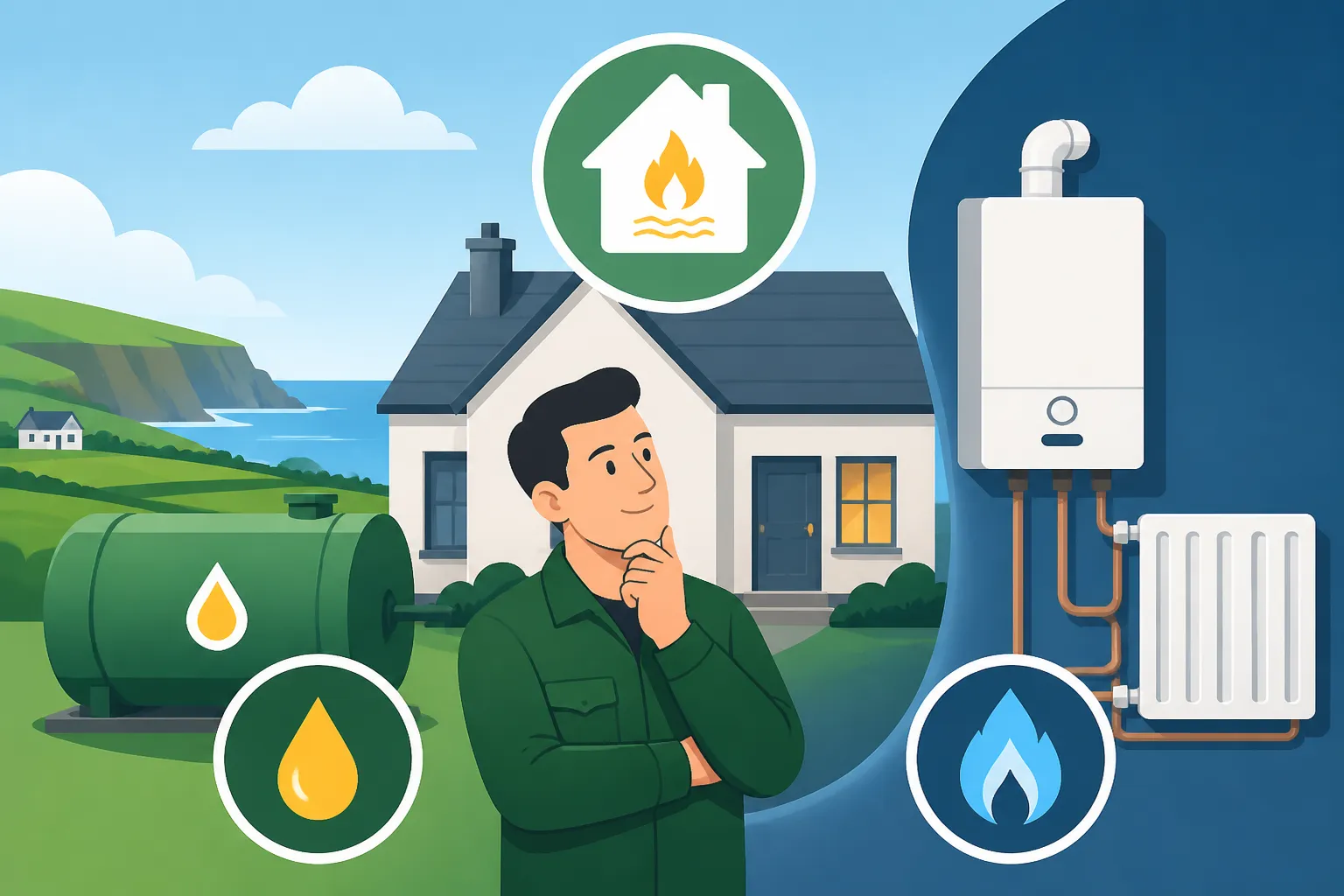
How Do I Set Up Heating Oil or Gas for My Irish Home?
Moving to a new home in Ireland, whether you're renting or buying, comes with a whole host of "new home" jitters, and figuring out the heating is almost always at the top of the list. It’s not just about flipping a switch; you're dealing with different fuel types, suppliers, and a system that might be completely unfamiliar. This guide is here to walk you through the often-confusing process of setting up either heating oil or natural gas for your Irish abode, helping you get warm and settled without the headache.
Understanding Your Heating Options in Ireland: Oil vs. Gas
One of the first things you’ll notice when you move into a new place here is that not all homes are heated the same way. Unlike some countries where a universal system might be in place, Ireland offers a bit of a mix, primarily between natural gas and heating oil. It's really important to know which one your new home uses because the setup process, costs, and ongoing management are quite different.
The Prevalence of Natural Gas
Natural gas is generally more common in urban and suburban areas across Ireland. Think Dublin, Cork, Galway, Limerick, and the larger towns – these places usually have a robust network of gas pipelines running right to people's doors. If you're living in an apartment or a terraced house in a city, chances are you'll be dealing with natural gas.
The biggest advantage of natural gas is its convenience. It’s piped directly to your home, meaning you don't have to worry about ordering deliveries or running out of fuel. It’s also generally considered to be a cleaner-burning fuel compared to oil. You'll typically pay for your usage on a monthly or bi-monthly bill, much like electricity. It's a continuous supply, which offers peace of mind, especially during those notoriously chilly Irish winters.
The Reality of Heating Oil
Step outside the cities and into Ireland's beautiful rural landscapes, and you’ll quickly find that heating oil is often the primary choice. Many detached homes, particularly older ones or those built in more remote locations, rely on a central heating system fuelled by oil stored in an external tank.
The setup for heating oil is a bit different. You’ll have a large tank, usually in your garden, which needs to be refilled periodically. This means you need to keep an eye on your oil levels and proactively order a delivery when your tank is getting low. For someone new to Ireland, this can be a learning curve. There’s a specific lead time for deliveries, especially during peak demand in winter, and you'll need to pay for the oil upfront or upon delivery, often for a significant volume at once. However, for many homes outside the gas network, it’s a reliable and effective way to stay warm. It gives you control over when you purchase your fuel, potentially allowing you to buy when prices are lower, if you have the storage capacity.
How to Check Your Property's Heating System
Before you even start thinking about suppliers, you need to confirm what kind of heating system your new Irish home has. Don't just assume!
If you're renting, the landlord or letting agent should absolutely clarify this for you in the tenancy agreement or during your viewing. Make sure to ask explicitly. Look around the property – if there’s a large tank outside (often green or black), it’s almost certainly oil. If you see a gas meter box, usually on an outside wall near the front door, it's connected to the natural gas network.
When buying, your solicitor will confirm this, and it will be part of the property survey. You can also look for the physical evidence of a gas meter or an oil tank. If you're unsure, you can also check with Gas Networks Ireland's website, which allows you to enter an Eircode (Irish postcode) to see if a property is connected to the natural gas network. This is an invaluable tool for ruling out gas and confirming that oil is your likely scenario.
Knowing your heating type is your crucial first step in getting settled and warm. It dictates everything from who you call to how you budget for your warmth, so take the time to verify it properly.
Setting Up a Natural Gas Supply for Your Home
So, you’ve confirmed your new Irish home is connected to the natural gas network. Great! This generally means a smoother setup process compared to oil, but there are still a few steps and considerations to navigate.
Identifying Your Meter and Choosing a Supplier
The first thing you’ll need to do is locate your gas meter. It's usually a grey or white box on an exterior wall of your house, often near the front door or side gate. This meter has a unique Gas Point Reference Number (GPRN), which is like the address for your gas supply. You'll need this when you contact a supplier.
In Ireland, the gas market is deregulated, meaning you have a choice of suppliers, similar to electricity. The main players are Bord Gáis Energy, Electric Ireland, and Flogas. There are often other smaller providers entering the market, so it’s always worth checking a comparison website (more on that later!).
When choosing a supplier, consider:
- Tariffs and Rates: Are they offering a fixed rate or a variable rate? Are there introductory offers for new customers?
- Contract Length: Some tariffs come with a fixed-term contract, usually 12 months.
- Customer Service: Check online reviews or ask local friends for their experiences.
- Billing Options: Do they offer online billing, paperless statements, and flexible payment methods?
Don't just stick with the incumbent provider that the previous occupants might have used. It pays to shop around!
The Activation and Account Setup Process
Once you’ve chosen your preferred supplier, the process typically goes like this:
- Contact the Supplier: You can usually do this online or by phone. You’ll need your GPRN, your Eircode, and sometimes a photo of your meter reading (especially if the property has been vacant for a while).
- Provide Personal Details: You’ll need to give your name, contact information, and sometimes proof of address or ID. For expats, this might mean your IRP card and a utility bill in your name.
- Agree to a Tariff: Confirm your chosen tariff and contract terms.
- Set Up Payment: Most suppliers prefer direct debit for monthly payments. If you don't have an Irish bank account set up yet, this might be a temporary hurdle. You can often pay by card initially while you get your banking sorted, but direct debit is usually required for the best rates. Remember, getting your finances in order is a key part of settling in, as highlighted in "The Expat Guide to Opening a Bank Account in Ireland".
- Confirmation: The supplier will confirm your account setup and provide an estimated activation date. This usually happens quite quickly if the gas is already connected and just needs to be switched into your name.
If the property has never had a gas connection before, or if the connection has been disconnected for a very long time, the process is more involved. You would need to contact Gas Networks Ireland first to get a new connection installed, which involves surveying, trenching, and a significant cost. For the purpose of moving into an existing property, it's generally about switching or activating an existing connection.
Safety and Maintenance Checks
Even after your gas is connected, safety should be paramount.
- Carbon Monoxide Alarm: Ensure your home has working carbon monoxide alarms, especially near any gas appliances. This is critical for safety. You can purchase these at most hardware stores like Woodies or DIY stores.
- Gas Boiler Service: It’s highly recommended to have your gas boiler serviced annually by a Registered Gas Installer (RGI). This ensures it’s running efficiently and, more importantly, safely. Your landlord is responsible for this in a rented property, but it's good practice to ensure it's done.
Setting up your gas is usually one of the smoother utility transitions. With your chosen supplier and a focus on safety, you'll have reliable heat and hot water in no time. If you're still getting everything else set up, remember that reliable connectivity can make a huge difference in coordinating services; consider temporary solutions like Airalo to stay online from day one.
Setting Up an Oil Supply for Your Home
For those of us living outside the main urban centres, oil central heating is a very common reality. It's a bit different from gas, as you're managing a physical fuel supply rather than a piped utility. This means a proactive approach is key to staying warm.
Finding Reliable Heating Oil Suppliers
Unlike natural gas where there's a national network, heating oil is supplied by various regional and local distributors. You won’t find a single national provider; instead, you'll typically have several options in your local area.
To find suppliers:
- Ask Neighbours: This is probably the best and most traditional way in Ireland. Your new neighbours will know who’s reliable, who offers good prices, and who delivers promptly.
- Local Search: A quick online search for "heating oil your town/county" will bring up local companies. You'll likely see names like Pettitt's SuperValu, Maxol, Top Oil, Campus Oil, and various independent local providers.
- Community Forums: Local Facebook groups or online community forums can also be a goldmine for recommendations and current price information.
When contacting suppliers, ask for a quote per litre and any minimum delivery quantities. Prices can fluctuate daily, so it’s always worth getting a few quotes before placing an order.
Ordering, Delivery, and Managing Your Tank
This is where heating oil differs significantly from gas.
- Check Tank Level: Before you move in, or as soon as you do, check the level of oil in the external tank. Most tanks have a gauge, or you can use a dipstick (a clean stick or broom handle will do) to manually check the depth. Don't let it run too low, especially heading into colder months, as deliveries can be delayed during peak times.
- Place Your Order: Once you’ve chosen a supplier and checked their price, call or order online. Specify the quantity you need (e.g., 500 litres, 1000 litres, etc.). Be realistic about your usage – ordering a larger quantity might get you a slightly better per-litre price, but it's a significant upfront cost.
- Payment: You’ll typically pay by credit/debit card over the phone when ordering, or sometimes cash/card upon delivery.
- Delivery: The company will give you an estimated delivery window. Ensure there’s clear access to your oil tank for the delivery truck. If you’re not home, ensure the tank is unlocked (if it has a lock) and that the driver knows where to find it.
- Tank Security and Maintenance: Your oil tank is a valuable asset. Ensure it's secure to prevent theft (yes, it happens!). Regularly inspect the tank for any cracks, leaks, or damage. Your landlord is responsible for the tank's structural integrity if you're renting, but it's good to be aware.
- Boiler Servicing: Just like with gas, your oil boiler needs annual servicing by a qualified technician. This ensures efficiency and safety. Again, landlords should arrange this, but it’s your responsibility to ensure it’s done if you own the property.
Managing heating oil requires a bit more foresight and planning than gas. You need to budget for larger, less frequent payments and stay vigilant about your tank levels. However, once you get into the rhythm, it becomes second nature. Think of it like managing your car’s fuel – you wouldn’t let it run completely empty before refilling!
Navigating Costs, Providers, and Staying Warm
No matter whether you’re on natural gas or heating oil, understanding the financial implications and how to manage your energy consumption is crucial for any expat in Ireland. The cost of living here, particularly for utilities, can be a bit of a shock, so smart management is essential.
Energy Costs and Comparison Websites
Ireland’s energy market can be competitive, which is good news for you! For natural gas (and electricity, for that matter), prices can vary significantly between suppliers and different tariffs. This is why comparison websites are your best friends.
Websites like Bonkers.ie and Switcher.ie are invaluable tools. You can input your estimated annual usage (or allow them to estimate based on your home size and occupancy) and they will show you the best deals available across all providers. These sites highlight introductory offers, cash-back incentives, and different tariff structures (e.g., discounted rates for paying by direct debit or managing your account online).
For heating oil, comparing prices is a bit more manual. You'll generally need to call or check the websites of a few local suppliers each time you need a refill, as prices can change daily. Some local community groups might even share daily prices, which is incredibly helpful.
Payment Options and Budgeting
For natural gas, most providers offer:
- Direct Debit: This is usually the cheapest option, as suppliers often give a discount for direct debit payments. Your bill will be taken automatically from your Irish bank account.
- Pay-as-you-go / Pre-Pay: Some suppliers offer pre-pay meters where you top up a card or key, similar to a mobile phone. This can be useful for budgeting, but the unit rates are often slightly higher than direct debit tariffs.
- Budget Plans: You can agree on an estimated monthly payment that levels out your costs over the year, avoiding huge bills in winter.
For heating oil, you are typically paying upfront for your delivery. This means you need to budget for a lump sum payment every few months. Some suppliers offer payment plans or savings schemes, allowing you to put money aside regularly towards your next fill.
Here's a quick comparison of key aspects:
| Feature | Natural Gas | Heating Oil |
|---|---|---|
| Availability | Urban/Suburban areas with pipeline network | Rural areas, properties off the gas grid |
| Delivery | Piped directly to home, continuous supply | Delivered by truck, stored in external tank |
| Payment | Monthly/bi-monthly billing (direct debit common) | Upfront payment per delivery, lump sum |
| Running Out | Very rare, continuous supply | Possible if tank not monitored, requires re-order |
| Environmental Impact | Cleaner burning, lower carbon emissions | Higher carbon emissions, requires combustion |
| Maintenance | Annual boiler service (RGI certified) | Annual boiler service (qualified technician), tank inspection |
| Price Volatility | Can change but generally more stable | Can fluctuate daily with global oil prices |
Energy Efficiency and Grants
No matter your heating type, making your home more energy-efficient will save you money and keep you warmer.
- Insulation: Good attic, wall, and floor insulation makes a massive difference.
- Double Glazing: Modern windows prevent heat loss.
- Smart Thermostats: Devices like Nest or Hive allow you to control your heating remotely and optimize schedules, saving energy.
- Grants: The Sustainable Energy Authority of Ireland (SEAI) offers various grants for energy efficiency upgrades, such as insulation, heat pump installations, and solar panels. These are primarily for homeowners but worth investigating if you're buying.
Living in Ireland means embracing its unique character, and sometimes that includes how we heat our homes. The process of getting utilities sorted can feel like a maze, but breaking it down into manageable steps, from understanding your options to comparing providers, makes it much less daunting. Remember, getting your new home connected to heating is a fundamental step in making Ireland feel like home, and if you're navigating other utility setups like getting your internet and TV sorted, you can find more guidance in articles like "How to Set Up Broadband and TV in Ireland."
For many expats, the entire process of setting up a new life in Ireland, from shipping your belongings to setting up utilities, can be overwhelming. Companies like Sirelo can be a great resource for managing the physical move itself, leaving you more headspace to deal with the practicalities of setting up your new Irish home. And don't forget, staying connected with your loved ones and having internet access to research all these services is vital – reliable mobile data can be a lifesaver.
Disclaimer
The information provided in this guide is for general informational purposes only and does not constitute professional advice. While we strive to keep the content up-to-date and accurate, details regarding utility providers, tariffs, regulations, and grant availability in Ireland can change frequently. Always verify information directly with utility companies, government bodies like Gas Networks Ireland, the SEAI, or qualified professionals before making any decisions.